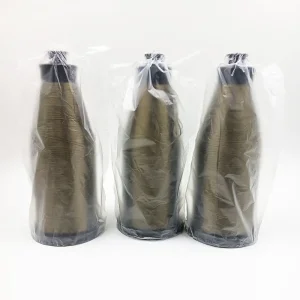
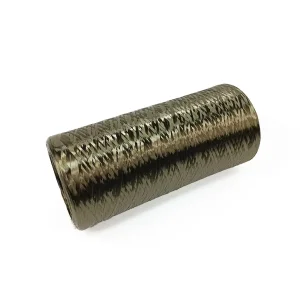
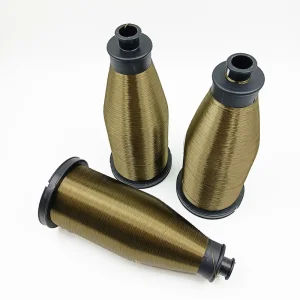
As the administrative center of the Haut-Sassandra region, Daloa is witnessing a significant shift toward modern infrastructure and sustainable industrialization. The city's role as a major trading hub for cocoa and coffee necessitates robust logistics infrastructure, including warehouses and processing plants that require high-durability construction materials.
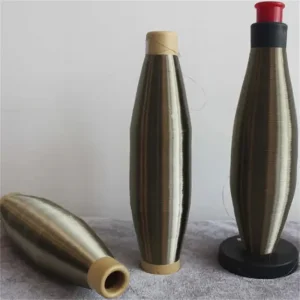
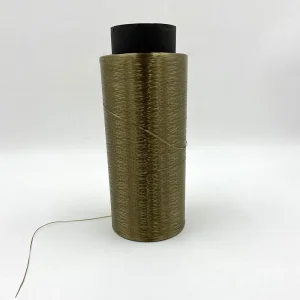
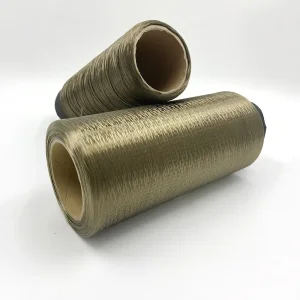
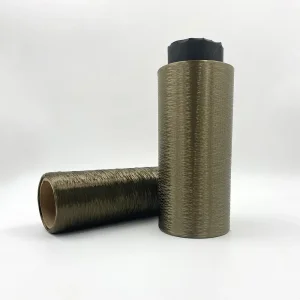
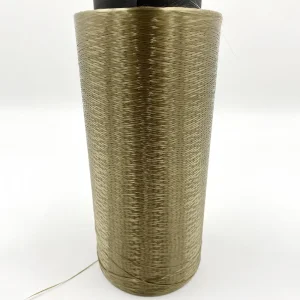
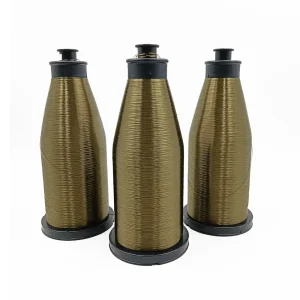
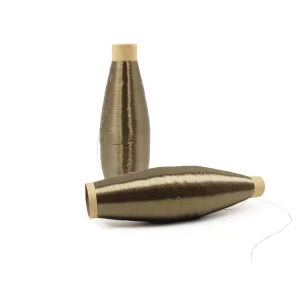
Basalt Fiber Roving has emerged as the "Green Material of the 21st Century" in this context. Unlike traditional glass fiber or steel reinforcement, basalt fiber offers unparalleled corrosion resistance—a critical factor in Cote d'Ivoire's humid and tropical climate. Our supply chain ensures that Daloa’s construction firms can access aerospace-grade materials to enhance the lifespan of local roads, bridges, and industrial flooring.
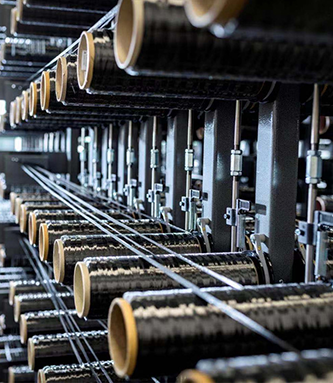
Founded in 2015 and headquartered in the high-tech industrial zone of Jiujiang, Jiangxi, China Beihai is a global powerhouse in the research, development, and mass production of high-performance continuous basalt fiber. We operate under the Industry 4.0 framework, ensuring every kilometer of roving delivered to Daloa meets international ISO and ASTM standards.
Learn About Our 4.0 FactoryAutomated furnace control ensures consistent filament diameter and sizing application, crucial for SMC and pultrusion.
Our production process involves zero chemical additives—only pure natural basalt rock and clean energy.
Dedicated logistics channels to West Africa, minimizing lead times for Daloa industrial procurement.
Rigorous testing for tensile strength, modulus of elasticity, and alkali resistance in every batch.
Thermal Stability: Basalt fiber roving maintains its mechanical integrity from -260°C to +700°C. In Daloa’s high-temperature tropical afternoon sun, traditional materials expand and degrade; basalt remains stable.
Zero Corrosion: Steel reinforcement in concrete eventually rusts, causing "concrete cancer." Basalt roving converted into rebar or mesh is 100% rust-proof, perfect for Ivory Coast’s drainage systems.
Weight Reduction: 3x lighter than steel but with higher tensile strength. This reduces transportation costs significantly when shipping to inland cities like Daloa.
Electromagnetic Neutrality: Unlike steel, basalt fiber does not conduct electricity or interfere with RF signals, making it the preferred material for Daloa’s new telecommunications and data center projects.

Strengthening Daloa’s commercial plazas and residential foundations against soil shifts.

Adding basalt chopped strands to Daloa's road pavements to prevent cracking under heavy trucks.

Reinforcing bridge piers in the Sassandra river basin against water erosion.

Corrosion-resistant piping for local fuel storage and agricultural chemical facilities.
A: Yes. Basalt fiber offers 15-20% higher tensile strength and significantly better acid/alkali resistance compared to E-Glass, making it a superior choice for long-term infrastructure.
A: Typically 15-25 days for production, plus 30 days for sea freight to Abidjan port, followed by local transit to Daloa.
A: Absolutely. It is a 100% natural volcanic rock product. Unlike carbon fiber, it has a very low carbon footprint and is fully recyclable.
Join the ranks of global engineering firms utilizing China Beihai’s Basalt technology.
GET AN INSTANT QUOTE Beihai Fiberglass