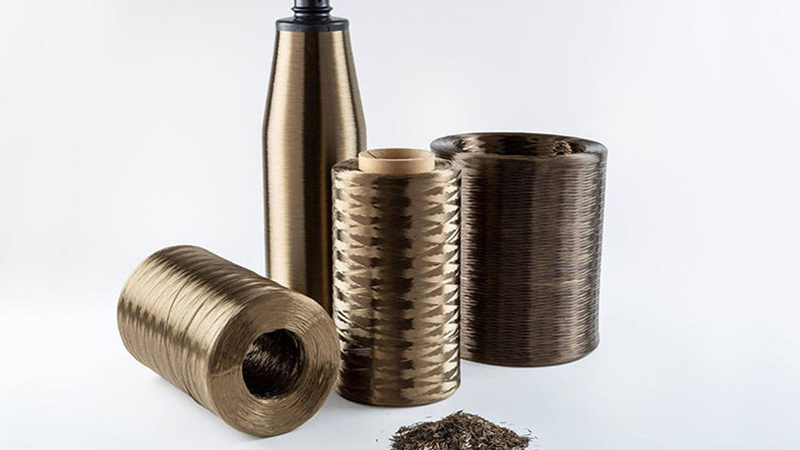
Pioneering composite materials engineered directly for the challenging climatic and mechanical demands of Namibian mining, marine infrastructure, and civil projects.
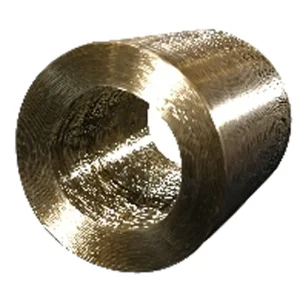
Optimized for pultrusion and filament winding, this roving offers supreme tensile strength and chemical resistance for industrial pipe fabrication.
Explore Details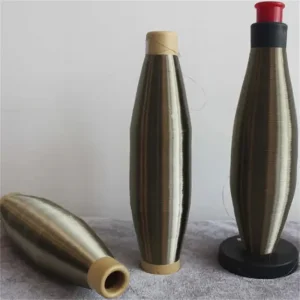
Engineered for wrapping, braiding, and insulation, providing superior stability under high thermal and electric environments.
Explore Details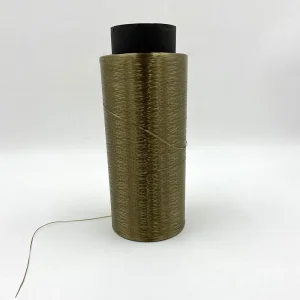
Withstands continuous working temperatures up to 700°C, serving as a primary thermal shield and fire barrier.
Explore Details
Designed specifically for Sheet Molding Compound (SMC) processes, ensuring uniform wet-out and optimal mechanical distribution.
Explore DetailsNamibia, with its vast coastal strip along the Atlantic Ocean and intensive inland mining sectors, presents a uniquely challenging environment for structural materials. Traditional concrete reinforcement relies heavily on structural steel. However, the high salinity and persistent marine fog of coastal regions like Walvis Bay and Swakopmund accelerate steel corrosion, leading to premature spalling and structural breakdown.
Simultaneously, the arid climate and massive mining projects—such as the Husab and Rössing Uranium Mines—require infrastructure that can withstand extreme mechanical stress, ground movement, and chemical exposure. Continuous basalt fiber roving offers an innovative solution. Extruded directly from molten natural basalt rock, it behaves as a completely inert reinforcement phase. Because it contains no metallic components, it is entirely immune to rust, acid attacks, and alkaline environments.
Globally, the composite materials sector is transitioning toward eco-friendly alternatives with lower carbon footprints. Basalt fiber fits this demand perfectly, using 100% natural volcanic raw materials with zero synthetic chemicals during extrusion. For Namibian engineers aiming to design green, long-lasting structures, this material represents the next generation of building technology.
Withstands direct exposure to seawater and aggressive ocean air without degrading, unlike standard steel.
Retains its structural properties from -260°C to +700°C, ideal for heavy industrial processing plants.
Provides a strength-to-weight ratio significantly higher than structural steel, decreasing logistical costs for remote desert mining sites.
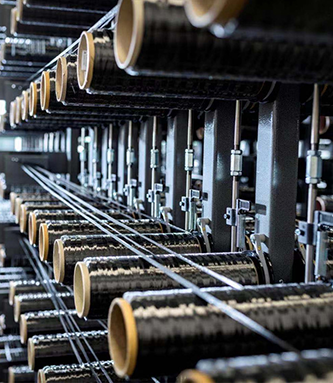
Founded in 2015 and located in the industrial manufacturing hub of Jiujiang, Jiangxi Province, China Beihai is a premier high-tech enterprise dedicated to the research, development, and mass production of high-performance continuous basalt fiber and its downstream structural products.
Operating high-capacity volcanic rock melting furnaces and state-of-the-art winding systems, China Beihai achieves exceptional control over filament diameter uniformity, sizing compatibility, and linear densities (Tex). We manage the entire supply chain, from selecting premium basalt rock to exporting specialized rovings, fabrics, and rebars worldwide.
Our factory efficiency advantages allow us to deliver large-volume orders on schedule while maintaining competitive international prices. By partnering with global shipping lines, we guarantee efficient delivery direct to Walvis Bay Port, serving industrial clients and projects throughout Namibia.
We supply a wide range of continuous basalt fiber products: chopped strand mats, continuous rovings, twisted yarns, non-corrosive concrete rebars, thermal sleeves, and mesh grids engineered to meet international structural codes.
We specialize in developing continuous basalt fibers for high-performance applications, including structural reinforcement, high-temperature filtration, marine concrete protection, and specialized automotive lightweight composite shells.
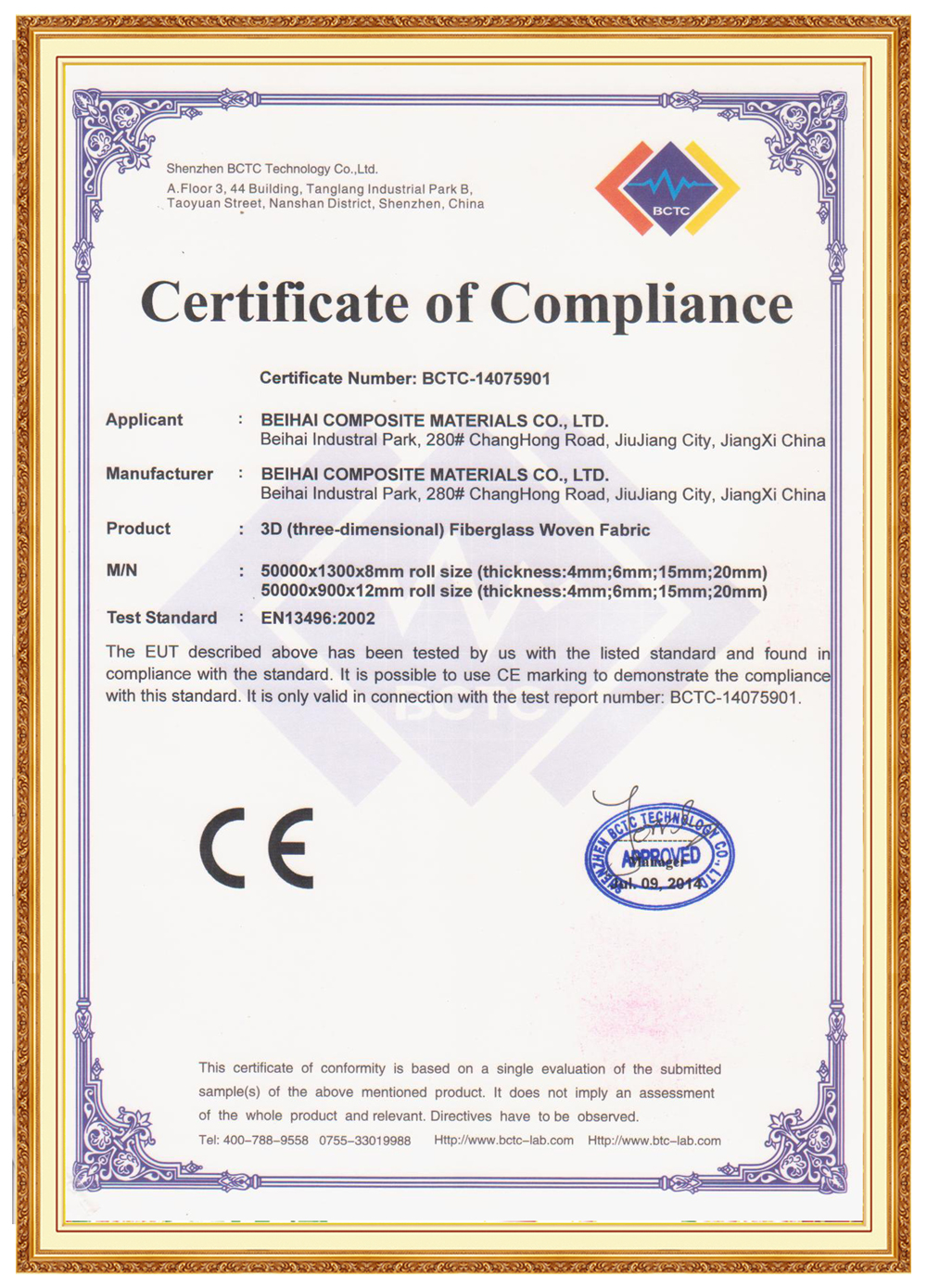
China Beihai is a trusted supplier of basalt materials, combining strict quality management (ISO 9001, CE) with reliable production capacity, ensuring stable delivery times and long-term supply security.
Designed to interface smoothly with polymer and cement matrices, enhancing mechanical performance in demanding environments.
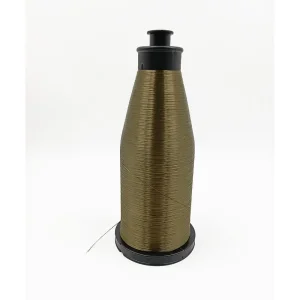
Specifically manufactured for building plaster mesh, concrete joint tape, and reinforcement grids.
Explore Details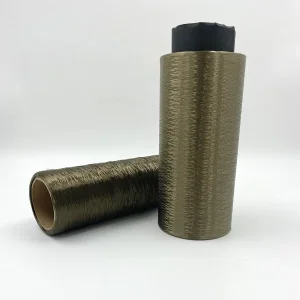
A high-performance hybrid fiber roving with excellent alkali resistance, designed for fire-retardant panels and fireproof panels.
Explore Details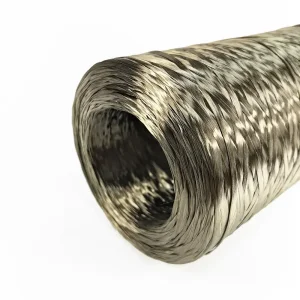
Optimized sizing ensures excellent bonding with cementitious matrices, preventing concrete cracking in high-humidity structures.
Explore Details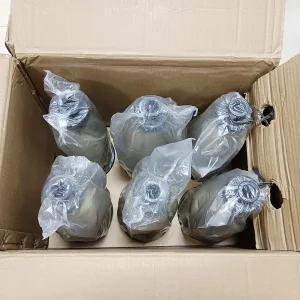
Formulated to resist strong acids, alkalis, and direct flame, perfect for chemical refinery plumbing and exhaust wraps.
Explore DetailsPractical applications where continuous basalt fiber roving provides technical and economic advantages over traditional steel and glass reinforcements.
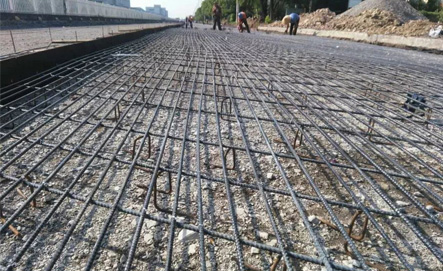
Seaports are subjected to high concentrations of sodium chloride, moisture, and wave impacts. Over time, salt water penetrates concrete structures, rusting the internal steel reinforcement and causing concrete spalling. Basalt fiber reinforcement (including rebars and structural mesh) is rust-free and inert. Implementing basalt composites in seawalls, pier decks, dry docks, and harbor structures ensures durable reinforcement, reducing long-term maintenance costs for port authorities.
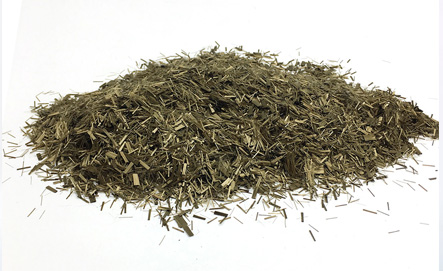
Namibia's open-pit and underground mining operations in the Namib Desert require robust slope stabilization and tunnel rock bolting. Traditional steel rock bolts are heavy and prone to chemical corrosion in wet rock strata. Basalt fiber composite rock bolts and shotcrete containing basalt chopped fibers offer an alternative. They provide the required tensile capacity at a fraction of the weight, improving safety and handling in deep underground mine shafts.
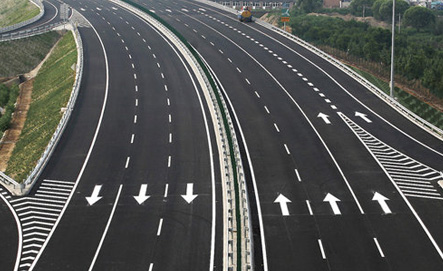
Namibia's road networks bear high temperatures and heavy transport trucks carrying mineral ores to the coast. Under these conditions, standard asphalt is susceptible to rutting, thermal cracking, and reflective cracking. Incorporating basalt fiber geogrids and chopped strands into the asphalt mix increases tensile strength, distributes load stress, and resists deformation under high sun exposure, extending road maintenance intervals.
A comparative look at the physical and mechanical properties of basalt fiber against traditional reinforcement options.
| Physical/Mechanical Property | Continuous Basalt Fiber | E-Glass Fiber | Structural Carbon Fiber | Carbon Steel (Grade 60) |
|---|---|---|---|---|
| Density (g/cm³) | 2.63 - 2.80 | 2.54 - 2.60 | 1.75 - 1.80 | 7.85 |
| Tensile Strength (MPa) | 3000 - 4500 | 2000 - 3400 | 3500 - 6000 | 500 - 850 |
| Elastic Modulus (GPa) | 85 - 115 | 72 - 76 | 230 - 600 | 200 - 210 |
| Elongation at Break (%) | 2.8 - 3.2 | 4.5 - 4.8 | 1.5 - 2.0 | 12 - 25 |
| Operating Temperature Range (°C) | -260 to +700 | -60 to +380 | -50 to +500 (in inert) | Up to 450 |
| Chemical & Acid Resistance | Excellent | Fair to Poor | Excellent | Very Poor (corrodes) |
| Thermal Conductivity (W/m·K) | 0.031 - 0.038 (Low) | 0.035 - 0.040 | 1.5 - 5.0 (High) | 50.0 (Very High) |
*Note: The structural performance data shows that basalt fiber roving offers higher tensile properties than E-glass at a lower density than carbon steel. This combination of lightweight strength and corrosion resistance makes it a highly durable alternative for demanding industrial applications.
Modern construction projects face strict global environmental regulations. Infrastructure developers, civil engineers, and public agencies are tasked with minimizing carbon footprints while ensuring the long-term durability of their structures. Because basalt fiber is made directly from volcanic rock using a single-component melting process, its manufacturing process generates fewer greenhouse gases compared to carbon fiber or synthetic polymers.
This sustainability advantage has placed basalt fiber roving at the center of international procurement specifications. From the European Union to emerging industrial hubs in Southern Africa, developers are selecting basalt materials to earn green building certifications and lower life-cycle maintenance costs.
As a dedicated supplier to Namibia, China Beihai provides comprehensive quality assurance documentation, technical safety datasheets, and batch test reports. We work closely with procurement officers in Windhoek, Walvis Bay, and Lüderitz to ensure our basalt roving matches project-specific sizing and linear density requirements.
Browse our full range of basalt products, engineered to deliver durable reinforcement and temperature resistance for concrete and composite structures.
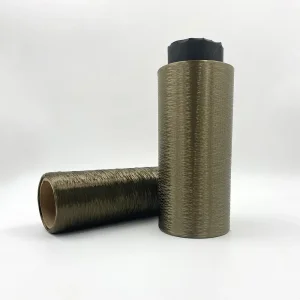
Specifically formulated for aggressive chemical environments, wastewater treatment structures, and industrial storage tanks.
Explore Details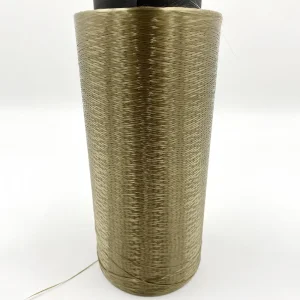
Direct factory supply featuring optimized filament diameter, consistent sizing, and excellent resin wet-out characteristics.
Explore Details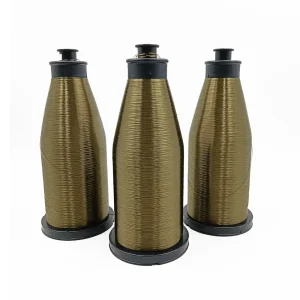
Features a precise twist structure to maximize tensile and mechanical performance for weaving fire-resistant textiles.
Explore Details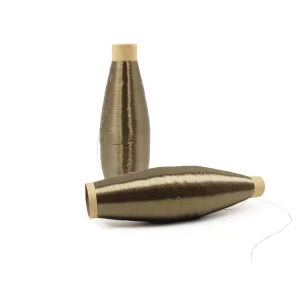
Engineered for electrical insulation applications, including printed circuit boards, high-tension conduit piping, and generator shields.
Explore Details
Our core structural roving product line, providing balanced mechanical properties suitable for pultrusion and filament winding.
Explore Details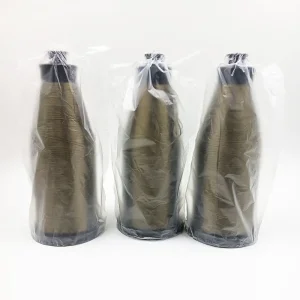
Low thermal conductivity fibers designed for heat containment, turbine insulation covers, and exhaust heat wraps.
Explore Details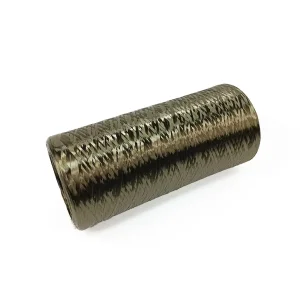
Formulated to reinforce load-bearing elements, concrete beams, bridge decks, and heavy structural panels.
Explore Details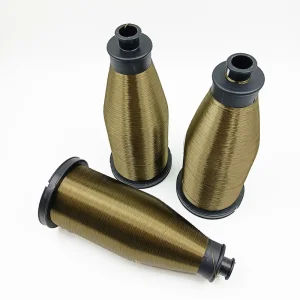
Excellent stability at high temperatures, designed for heat-resistant pipes, industrial ducts, and marine cooling systems.
Explore DetailsGet authoritative answers on physical properties, resin compatibility, long-term durability, and delivery protocols to Namibia.
Basalt fiber offers superior chemical and alkaline stability compared to standard E-glass. When embedded in concrete (which is naturally alkaline), E-glass can degrade over time due to alkali attacks. Basalt fiber is chemically inert, providing stable mechanical performance. Additionally, it offers approximately 15% to 20% higher tensile strength and a higher elastic modulus than E-glass, providing reliable reinforcement for high-humidity coastal structures.
Yes, our continuous basalt fiber rovings are treated with specialized silane sizing agents. We formulate sizing systems designed for compatibility with epoxy, vinyl ester, polyester, and polyurethane resins. This ensures proper fiber wet-out, minimizing voids and enhancing the interlaminar shear strength (ILSS) of the finished composite component.
Basalt fiber is inherently fire-resistant, with an operating temperature range of -260°C to +700°C (with a softening point around 1050°C). Unlike synthetic fibers or carbon fibers that oxidize or release toxic fumes, basalt fiber does not drip or combust when exposed to open flames, making it suitable for fire barriers, exhaust wrapping, and structural fire protection.
Yes, basalt fiber rebars (manufactured using basalt roving via a pultrusion process) serve as a rust-proof alternative to steel. Because they are immune to electrochemical corrosion and chemical degradation, they prevent internal concrete cracking. Basalt rebars are also about 75% lighter than steel, reducing transport and installation labor costs.
Typically, ocean transit from Shanghai or Shenzhen port to Walvis Bay Port ranges between 35 to 45 days. Our factory handles the container packing, export documentation, and customs clearance. Goods are shipped in moisture-barrier shrink wrap with desiccant packs to ensure the sizing chemistry remains intact during maritime transit.
Yes, China Beihai offers custom configurations. We can supply direct (assembled) or single-end rovings in linear densities ranging from 300 Tex up to 4800 Tex, with nominal filament diameters ranging from 9µm to 22µm, matching your processing requirements.
Stay informed with technical developments, manufacturing innovations, and project applications from the global basalt fiber industry.
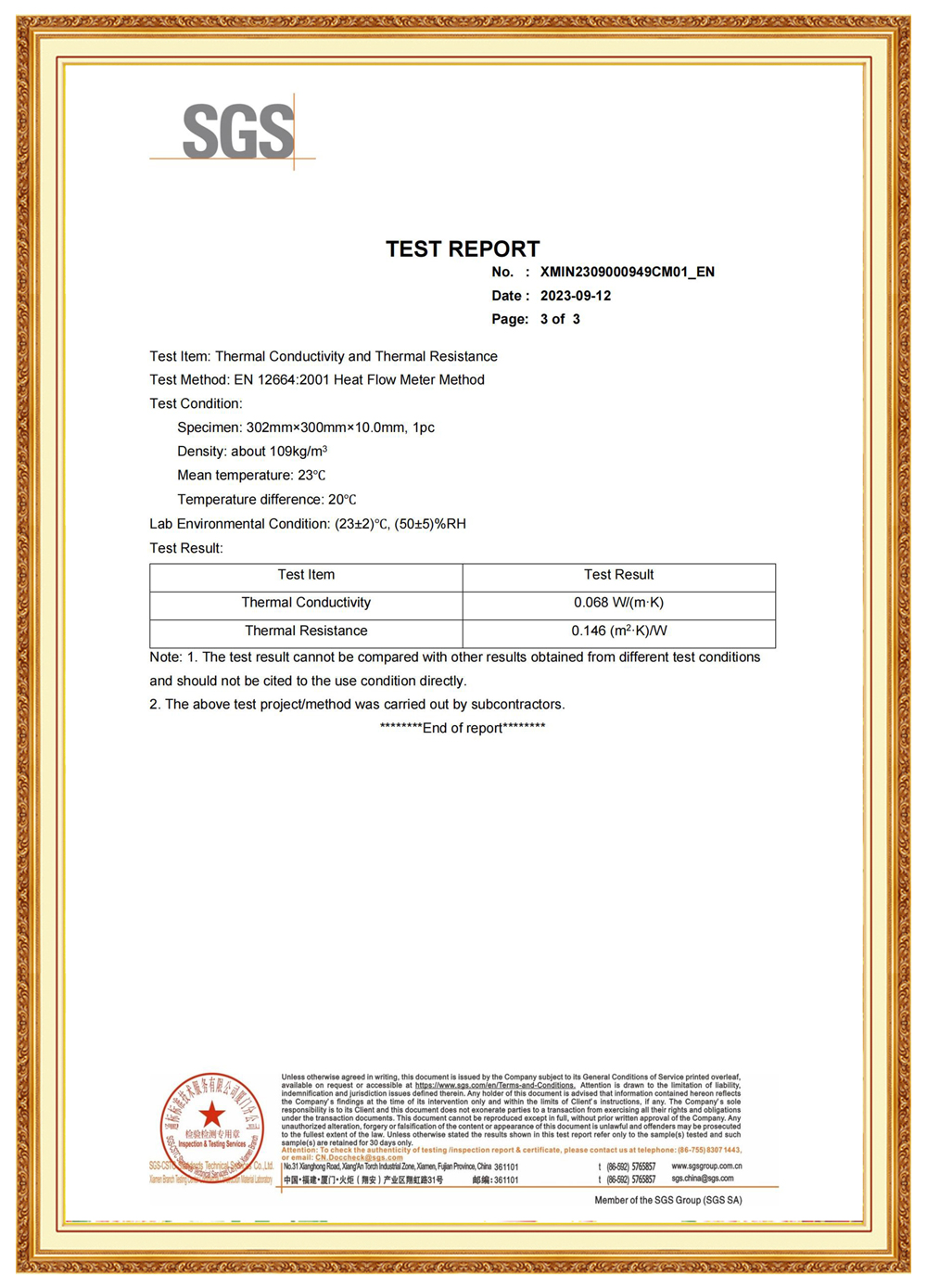
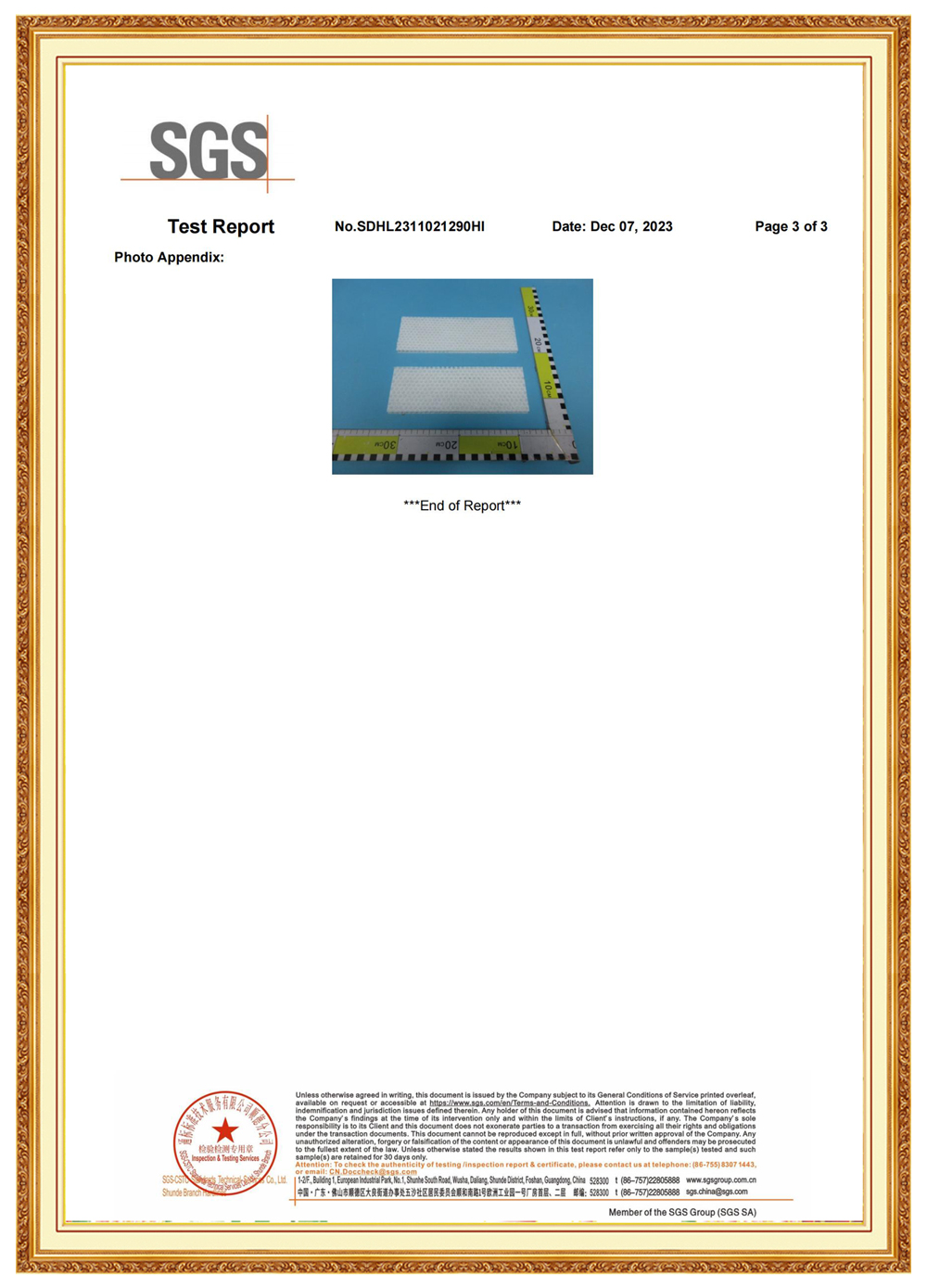
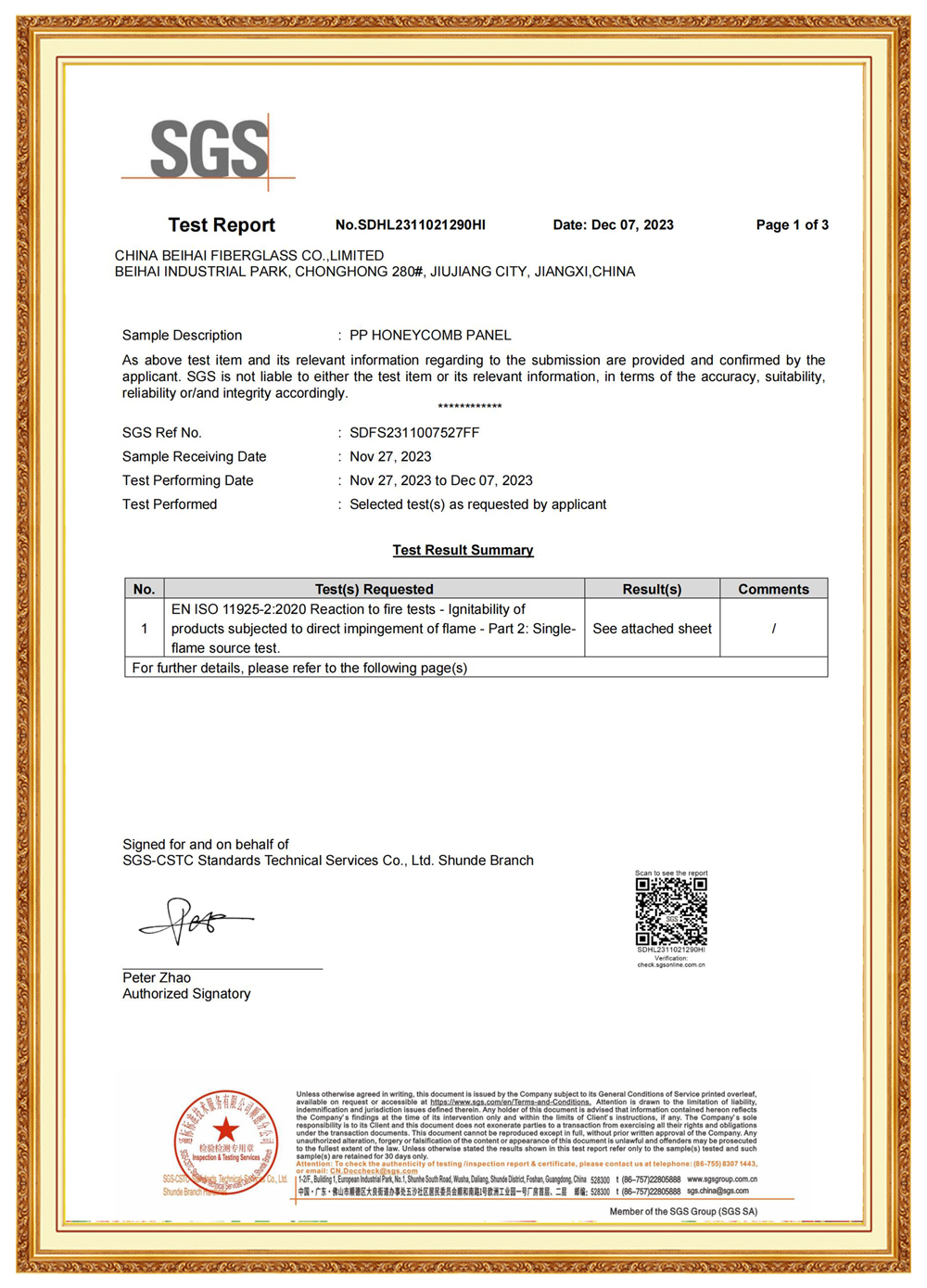
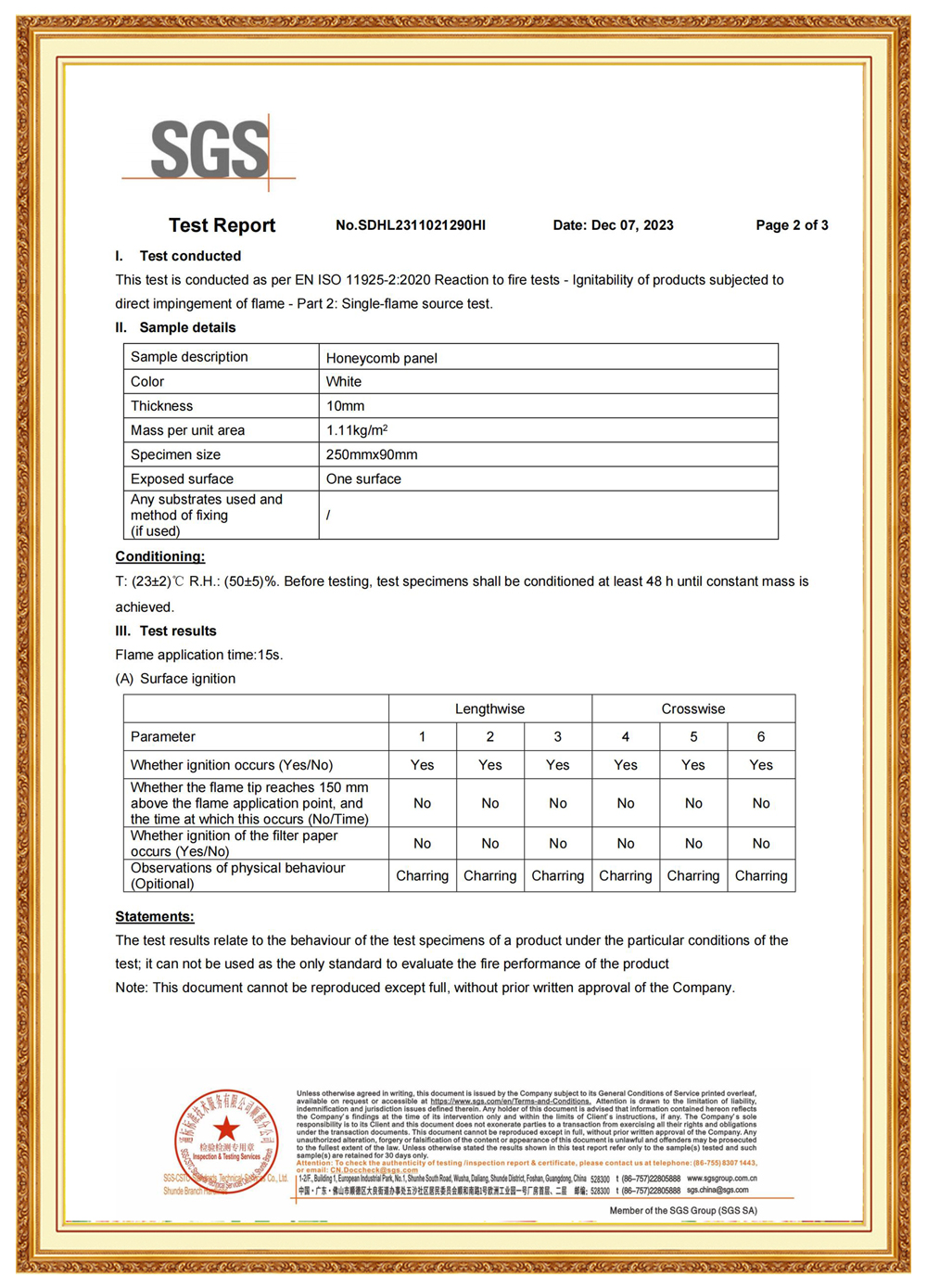
Our manufacturing processes are verified under global certification standards, ensuring consistent fiber properties across production batches.
Whether you require continuous roving for pultrusion profiles in Windhoek, structural concrete rebars for Swakopmund, or fireproof yarn configurations, our engineering team is here to assist with technical support, custom sizing options, and logistics support to Namibia.
Send Inquiry Now Beihai Fiberglass