Select, high-density mesh and geogrid solutions tailored to combat local clay soil swelling and extreme temperature cycles.
Malakal, the strategic economic hub of South Sudan's Upper Nile State, presents distinct engineering challenges. Situated along the expansive floodplain of the White Nile, the region is characterized by Vertisols, commonly known as black cotton soils. These high-clay-content substrates exhibit aggressive volumetric expansion during wet seasons and severe shrinkage/cracking in the hot, dry months (with ambient temperatures regularly exceeding 40°C).
Standard infrastructure concrete and asphalt surfaces placed on these unstable roadbeds suffer from rapid degradation, reflective cracking, and moisture-induced subgrade failures. Traditional steel reinforcement offers limited durability due to the highly corrosive, saline, and alkaline nature of groundwater near river basins.
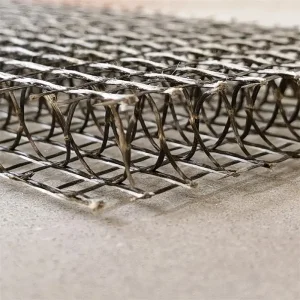
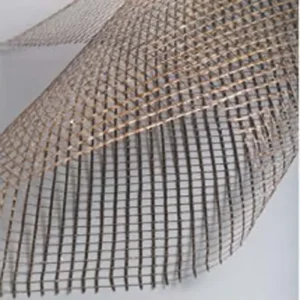
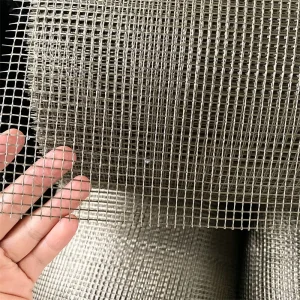
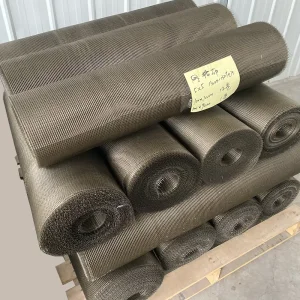
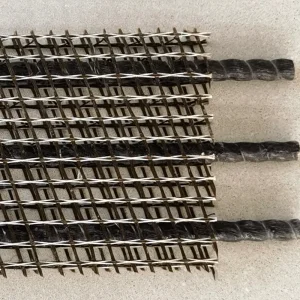
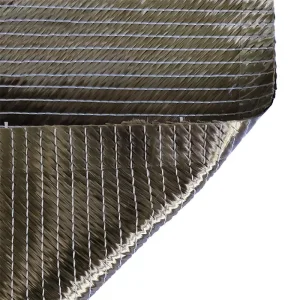
Our specialized Basalt Fiber Mesh solves these physical constraints. Extruded directly from continuous molten basalt rock, these meshes feature a structural tensile strength that exceeds E-glass and matches premium carbon reinforcement, whilst maintaining complete chemical inertness to acids, salts, and high-pH concrete environments.
Providing reliable material reinforcement systems for humanitarian, public sector, and commercial developments across Malakal.

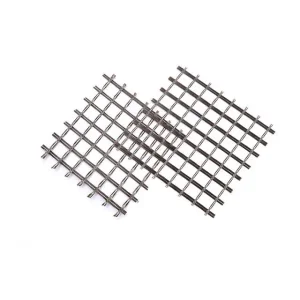
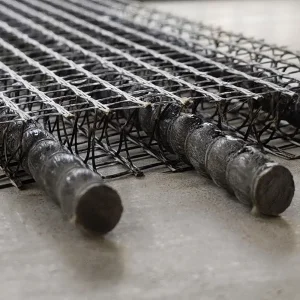
Malakal's river banks demand resilient hydraulic reinforcement. Basalt Geogrid Mesh is utilized to stabilize geo-textile structures, retaining walls, and earth dykes. Its high resistance to moisture and microbial decay prevents structural failures from seasonal river swelling.

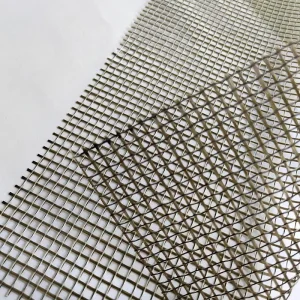
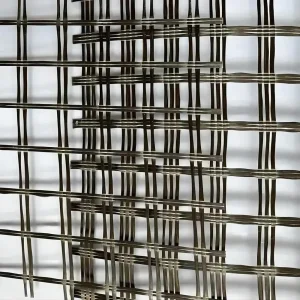
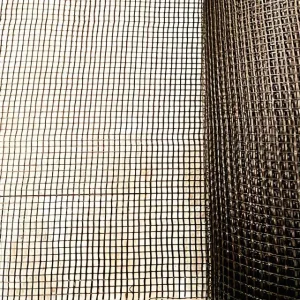
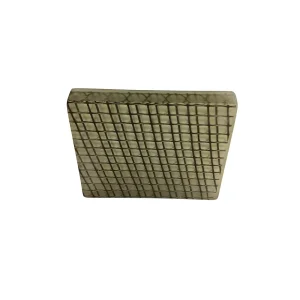
Extreme thermal swings trigger massive shrinkage stress in building finishes. Reinforcing concrete floors and external wall plastering with our 3D basalt fiber mesh prevents micro-crack propagation, extending building lifespans under intense UV exposure.

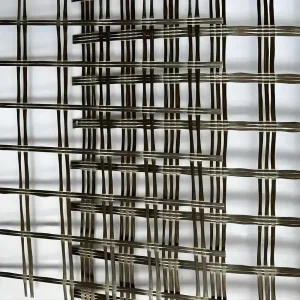
Road links connecting Malakal with regional centers require robust base courses. Basalt geogrids distribute dynamic traffic loads evenly across poor subgrades, preventing rutting and reflective asphalt cracking over swelling clay bases.
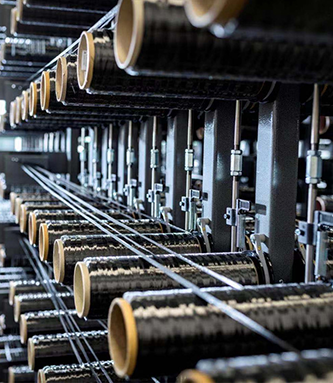
Founded in 2015 and headquartered in the high-tech industrial parks of Jiujiang, Jiangxi Province, China Beihai is a premier national high-tech enterprise. We focus exclusively on the research, development, high-volume production, and distribution of continuous basalt fiber products and processing equipment.
As a global pioneer in basalt melting technology, we operate state-of-the-art furnace facilities that melt raw volcanic basalt at 1450°C to draw continuous filaments with precise chemistry. This ensures that every roll of basalt fiber mesh shipped to East Africa and South Sudan maintains unparalleled mechanical integrity, sizing uniformity, and dimensional stability.
Why international procurement units and regional contractors rely on China Beihai basalt systems.

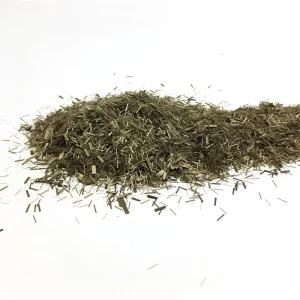
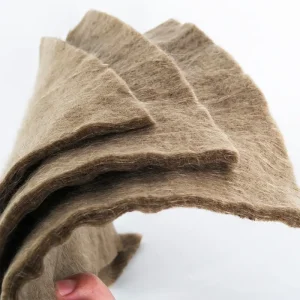
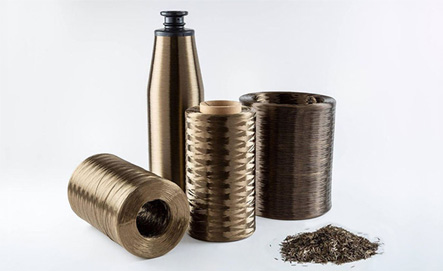
We manufacture a diverse range of basalt-based products, including basalt fiber mats (chopped strand mats, structural cloths), continuous roving, high-tenacity yarn, structural rebar, thermal protection sleeves, and specialized reinforcement geogrids.

By managing the entire production cycle—from selecting local volcanic raw materials to manufacturing high-tech composite machinery—we enforce stringent quality standards that meet ASTM, EN, and ISO requirements.

Serving remote destinations like Malakal requires specialized transport solutions. We handle customs clearing, moisture-proof vacuum packing, and reliable shipping routes through Mombasa or Port Sudan to inland Nile barge hubs.
Reconstruction projects funded by international organizations and foreign direct investment in South Sudan demand strict adherence to global standards. Our basalt products are certified under ISO 9001:2015, ensuring consistent mechanical behavior.
Unlike polymer grids that degrade under intense UV rays, or steel meshes that rust in wet soils, basalt fiber offers a lifespan of over 50 years with zero structural degradation. Sourcing from China Beihai ensures compliance with EN 15381 (geotextiles in road construction) and ASTM D792 test standards.
The manufacturing of basalt fiber produces up to 80% fewer carbon emissions compared to structural steel, helping builders meet carbon reduction targets.
Additionally, its low thermal conductivity (0.035 W/m·K) prevents heat transfer in civil structures, making it an excellent insulating reinforcement material for harsh tropical climates.
From heavy civil engineering to aerospace and petrochemical sectors.
Reinforcement in residential plastering, thin-bed screeds, and precast concrete components.

Lightweight composite wings, control panels, and fire-resistant cabin insulation panels.

High-temperature shields, rocket components, and extreme thermal insulation barriers.
Improves crack-resistance, flexural strength, and chemical durability in marine and civil projects.

Lightweight composite body components, mufflers, brake pads, and heat shields.
Structural jackets to protect columns from impact, river scouring, and chemical corrosion.

Corrosion-proof composite pipes, tank linings, and acid-resistant walkways.

Hulls, marine structural panels, and saltwater-resistant structural reinforcement.
Optimized and batch-tested materials ready for dispatch to regional distribution channels.
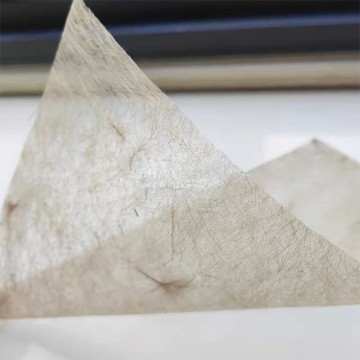
Non-woven thin sheets engineered to provide smooth, resin-rich surface layers for FRP structures.
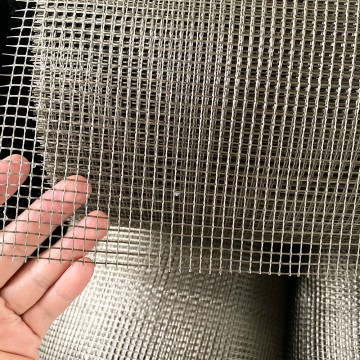
High alkali-resistance, perfect for concrete reinforcement and plaster strengthening systems.
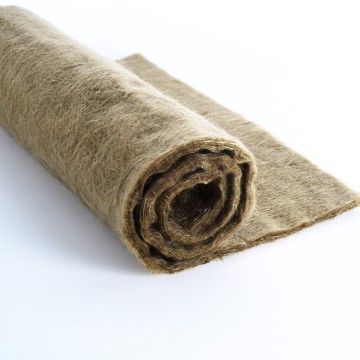
High-density mechanical bond insulation manufactured without chemical binders.
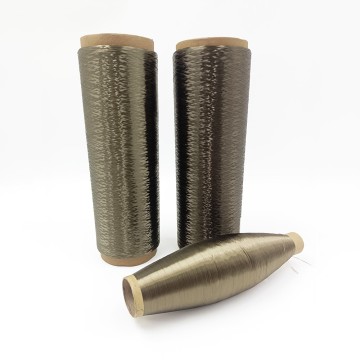
Continuous filament yarns offering mechanical strength and processing stability for textile weaving.
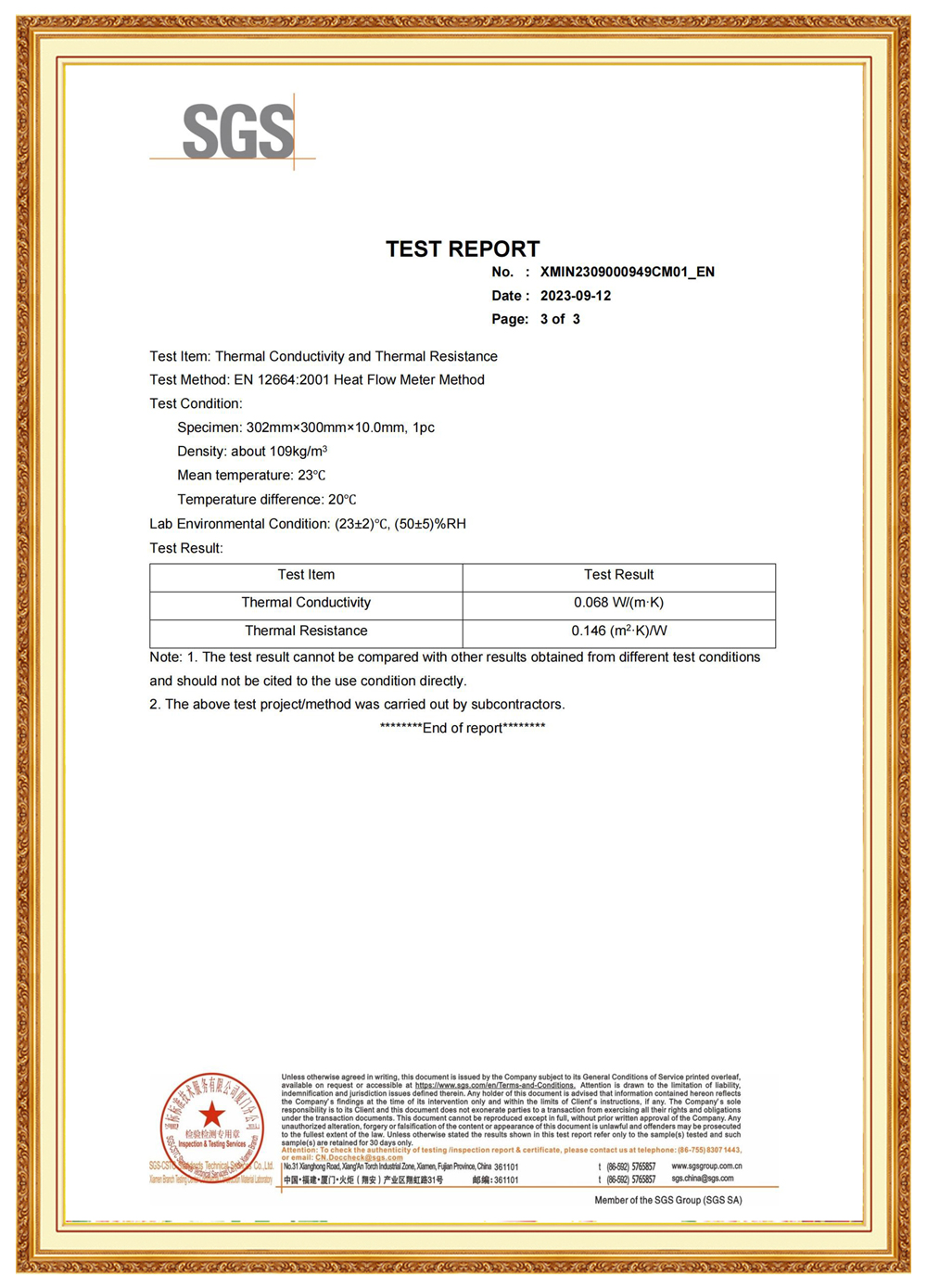
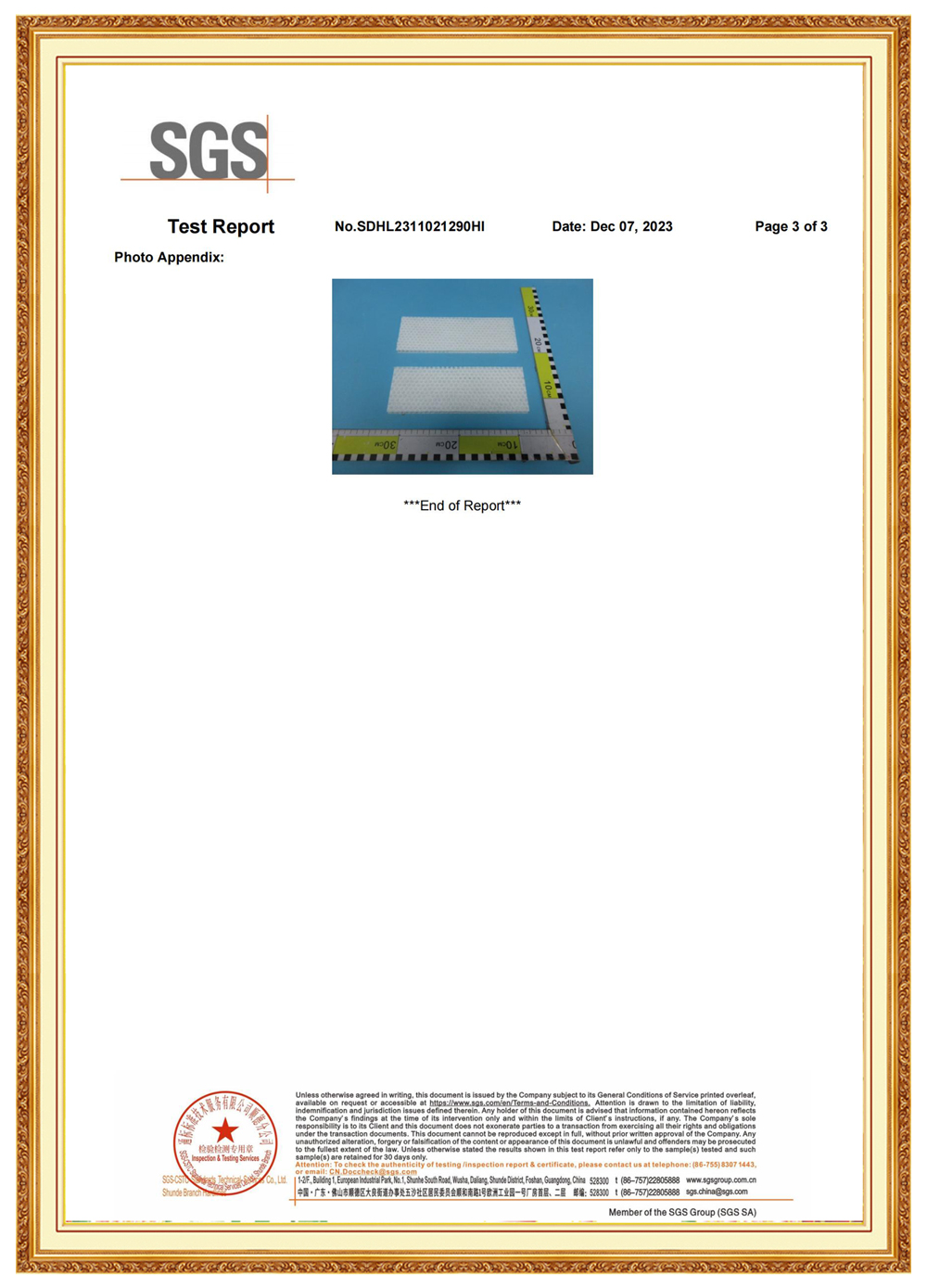
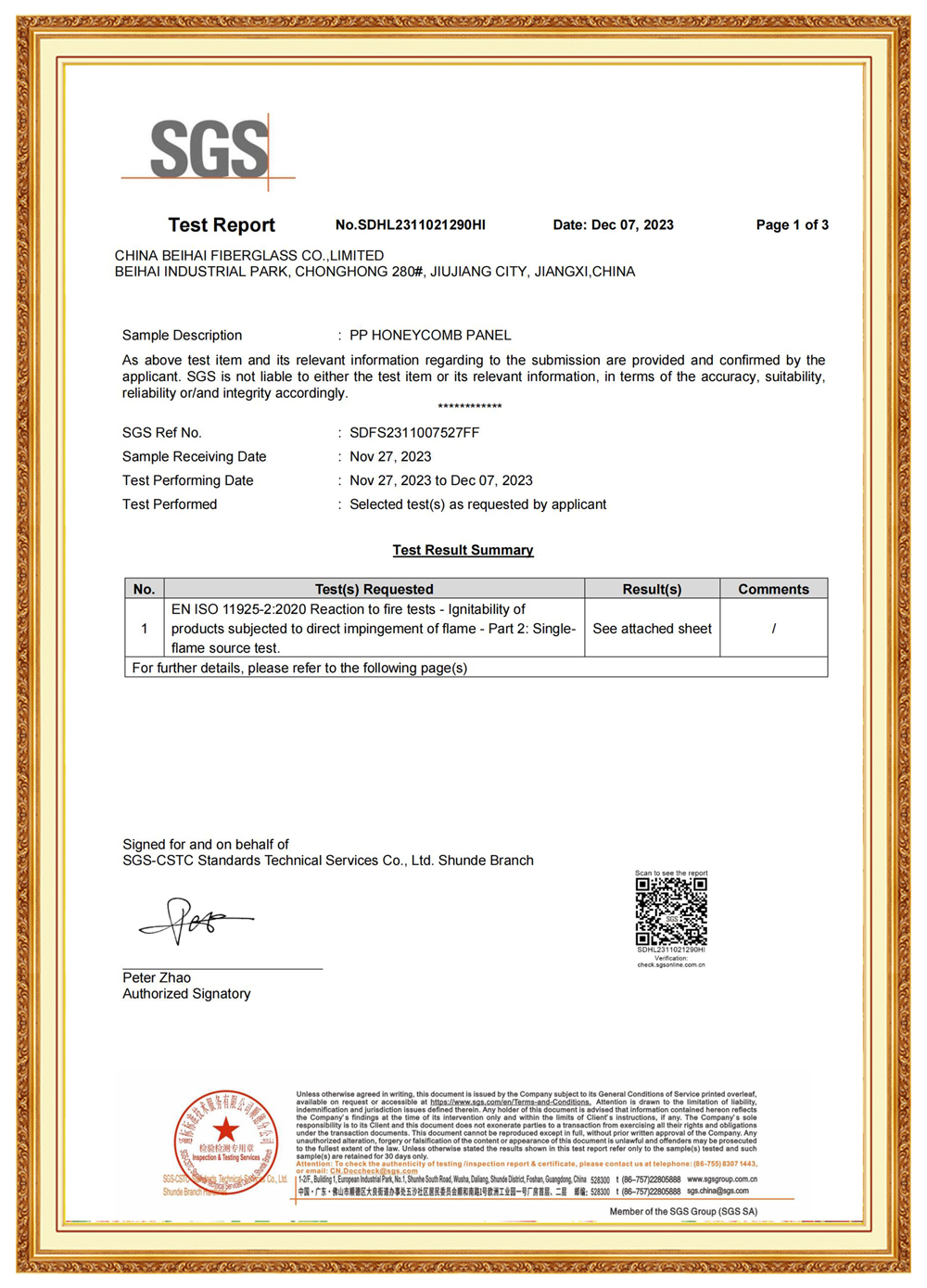
Independent testing verifying structural integrity, physical tensile minimums, and longevity standards.
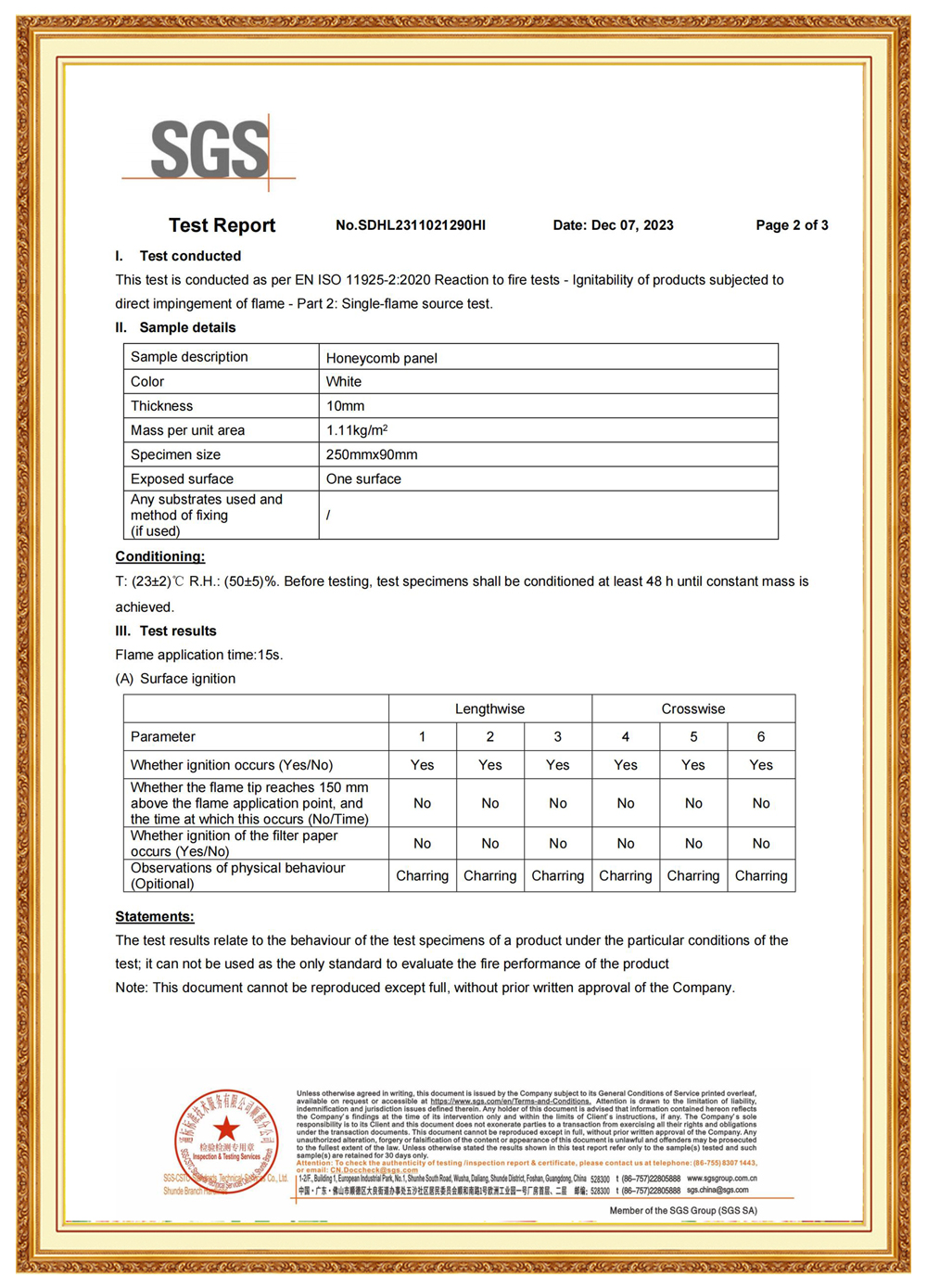
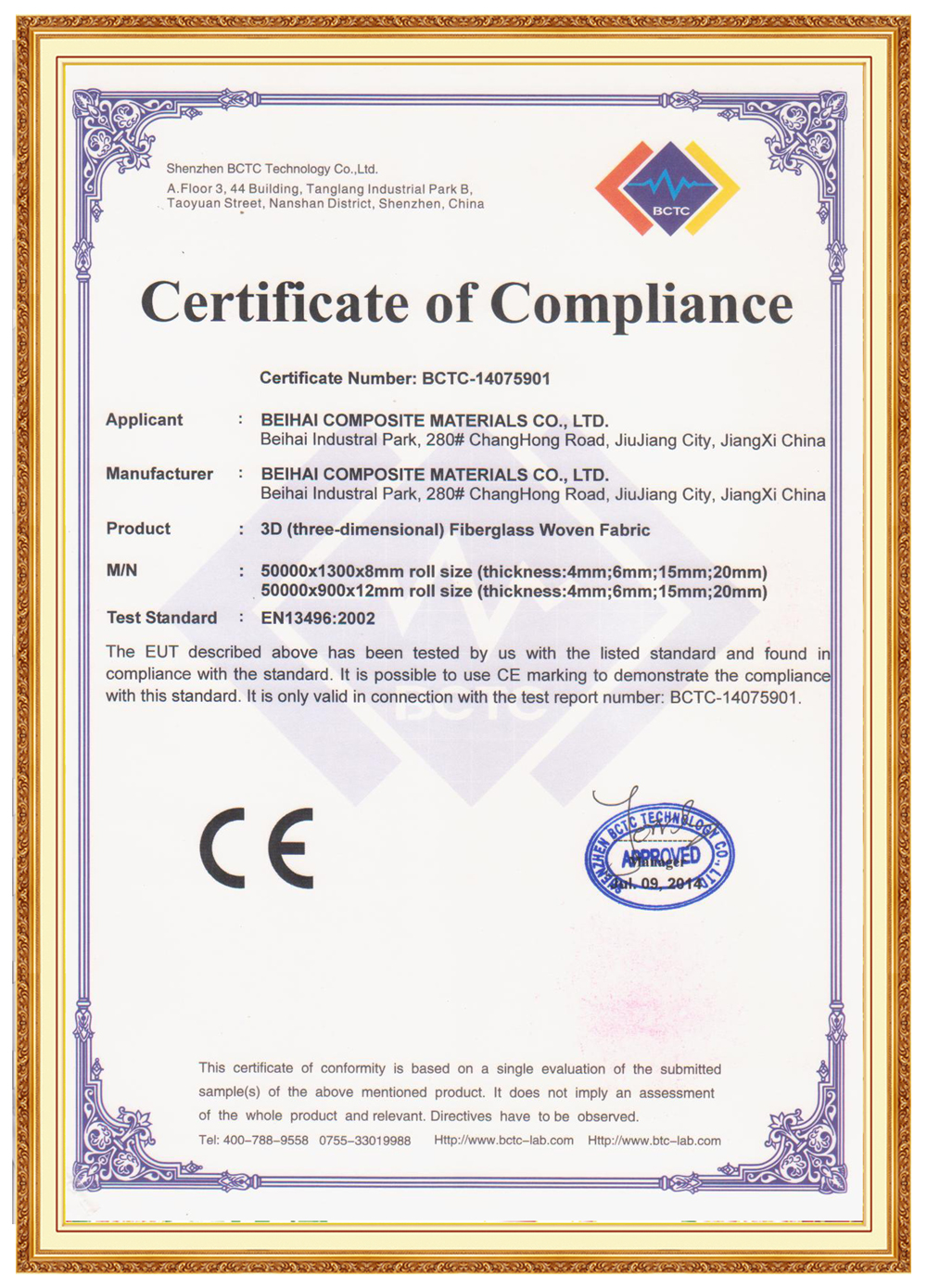
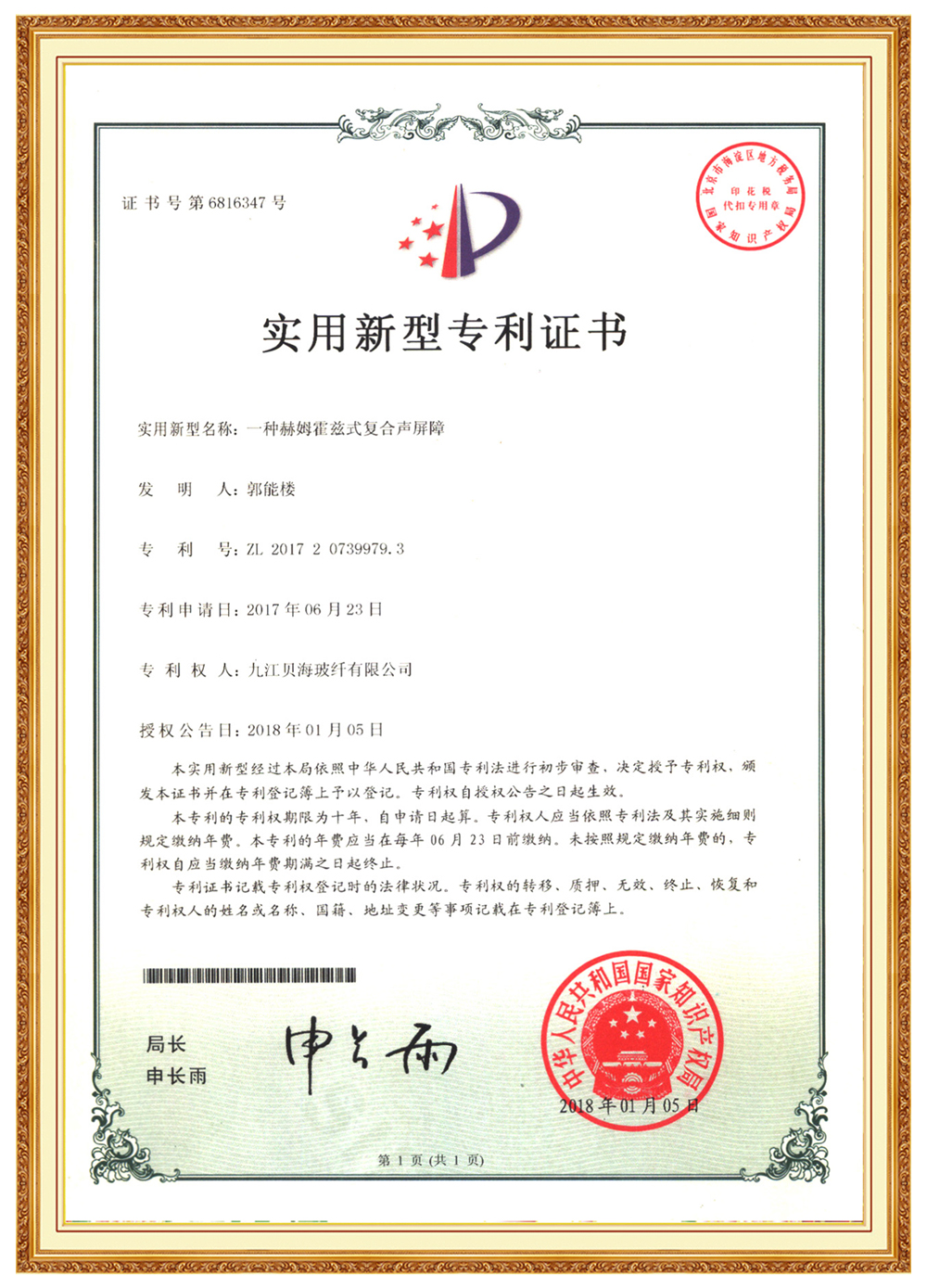
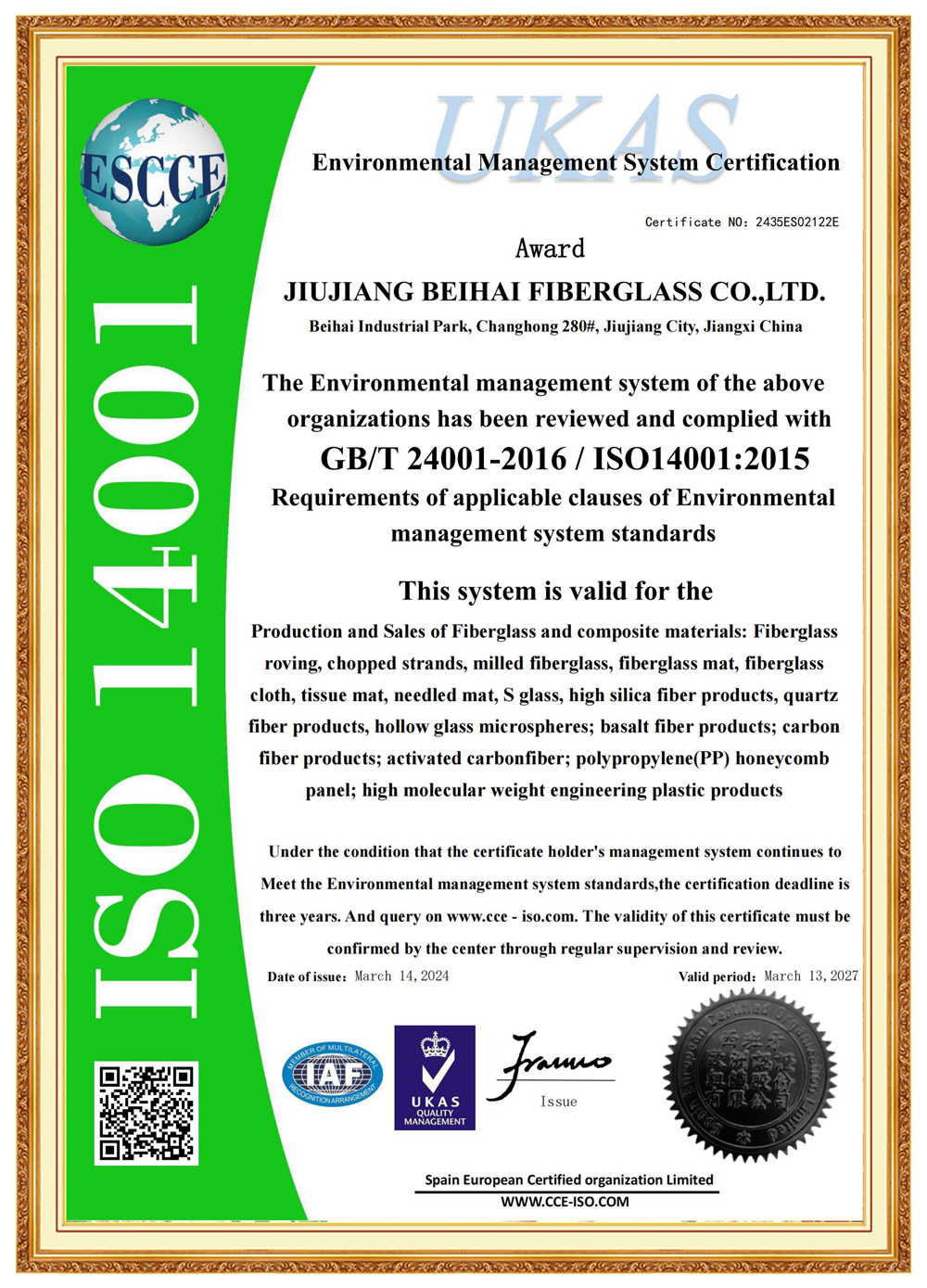

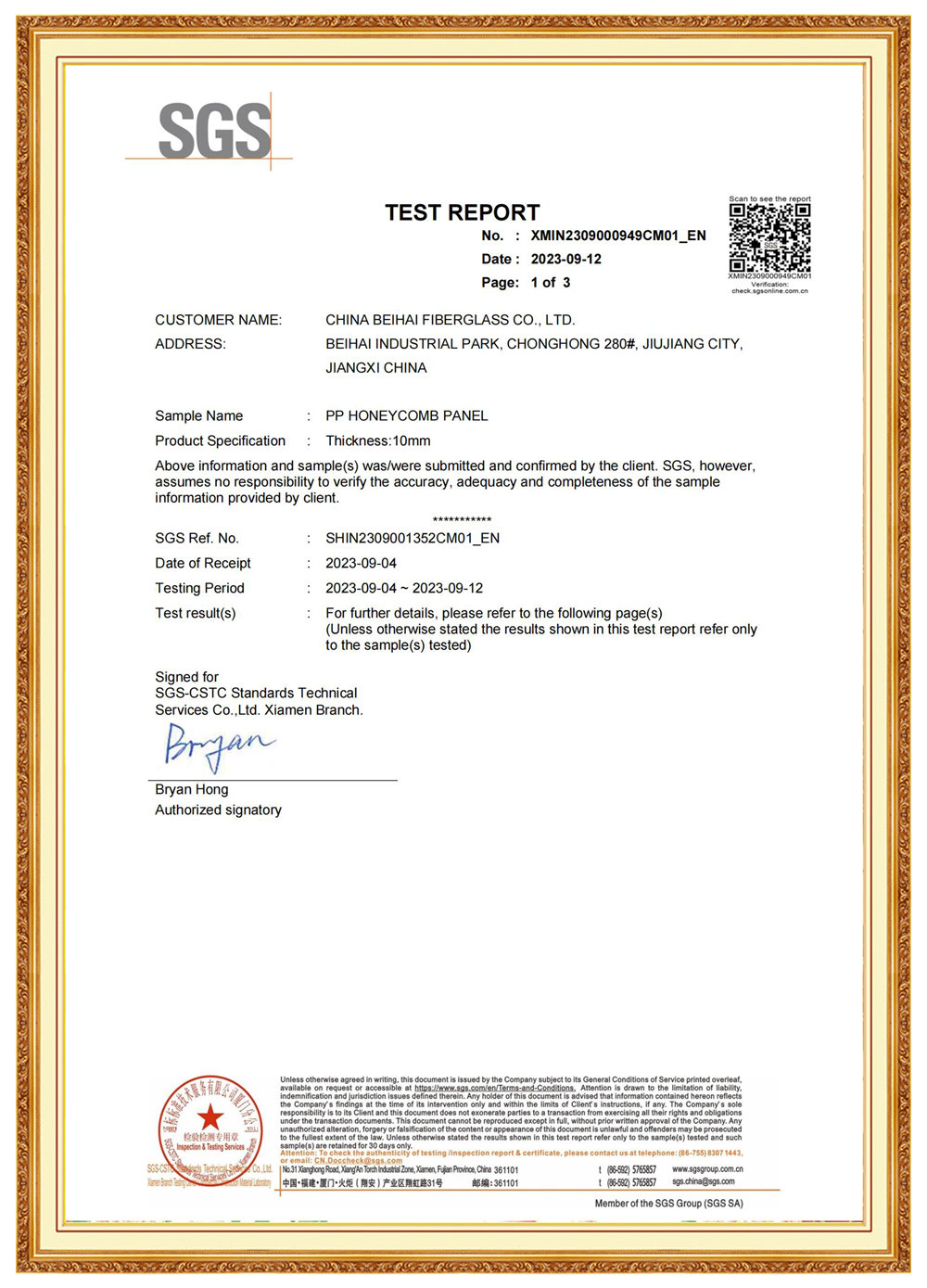
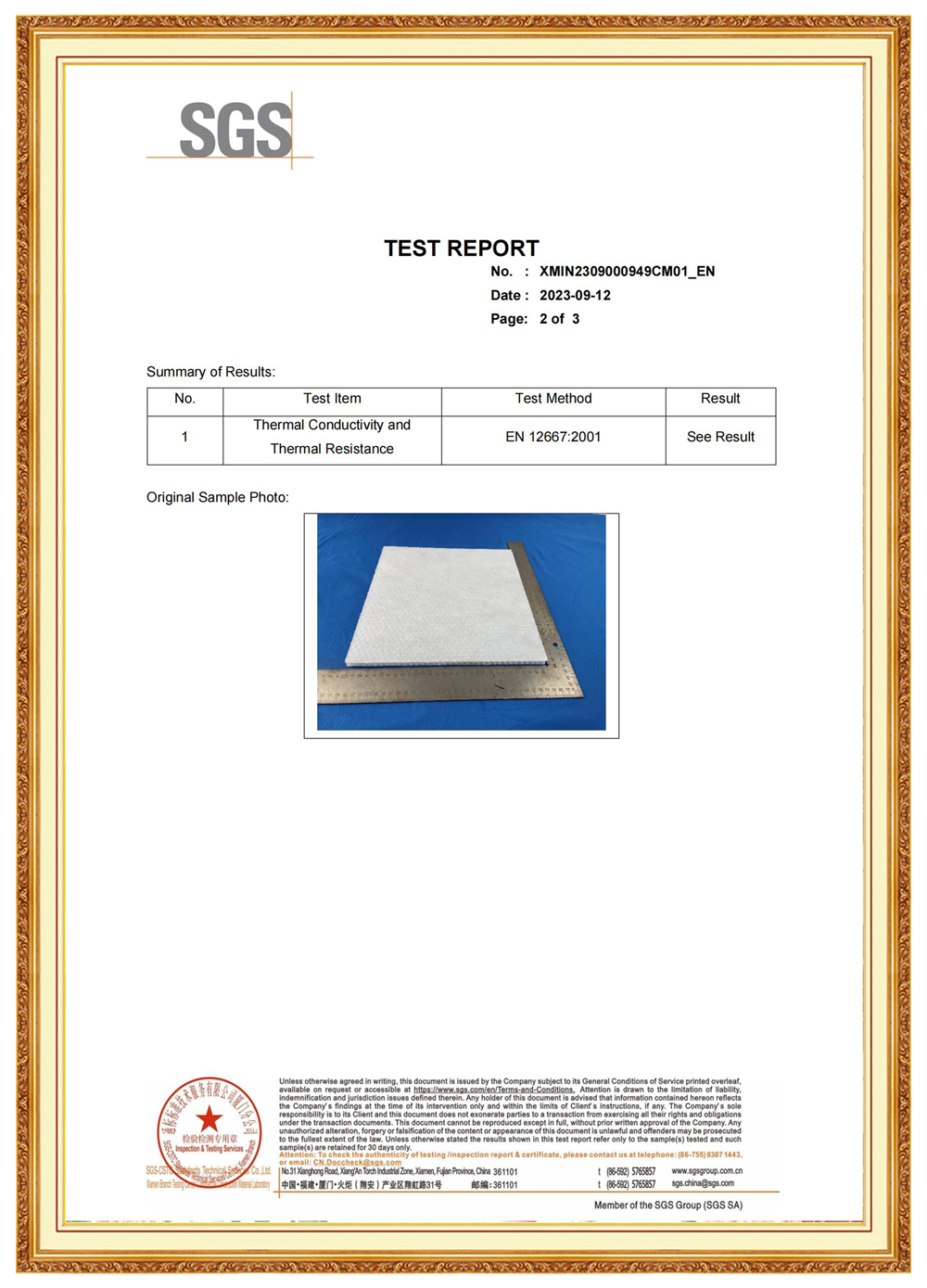
Follow updates on continuous basalt fiber structural limits and advanced composite technologies.

As drone fleets scale for monitoring operations and automated vehicles handle payload transfers across rugged logistics yards, the structural reliability of underlying runways, floors, and roads is critical. Civil engineers are increasingly replacing traditional steel reinforcement with basalt geogrids to secure durability and prevent foundation failures.
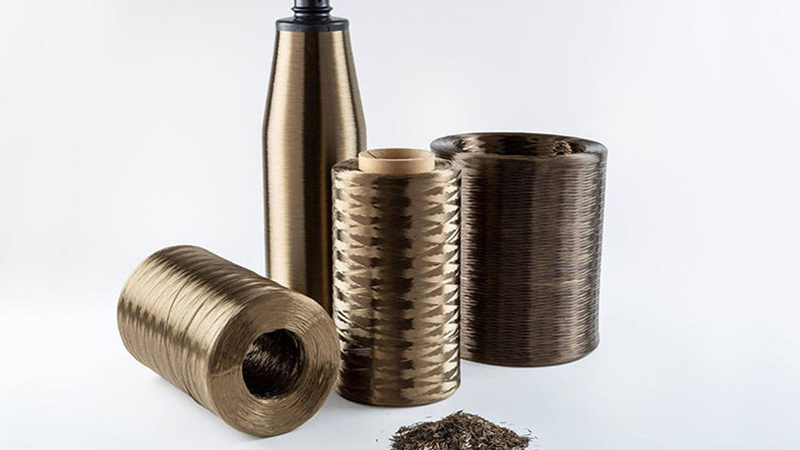
Our complete product range of high-performance meshes, mats, and geogrids optimized for regional builders and global procurement offices.
Technical explanations for structural engineers, project buyers, and distributors working in the East African sector.
Partner with China Beihai Group. Get factory-direct pricing, custom roll dimensions, and comprehensive logistics support for imports to South Sudan.
 Beihai Fiberglass