Explore our premium structural reinforcement selection. Specially engineered to resist structural degradation, alkaline environment degradation, and extreme tropical moisture cycles.
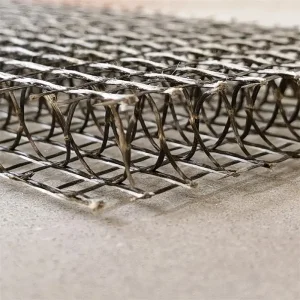
Designed for high-performance structural repair and lightweight precast concrete parts. Impervious to salt-water spray and humid oceanic environments.
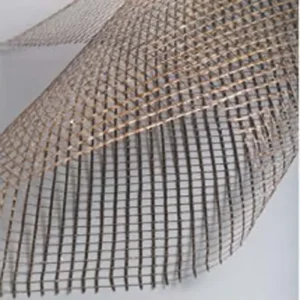
Engineered for subgrade stabilization and heavy-load pavement base reinforcement in tropical regions prone to heavy rain cycles.
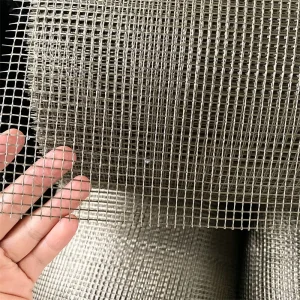
High-temperature structural barrier mesh ideal for pipelines, refineries, and offshore platform heat insulation blankets.
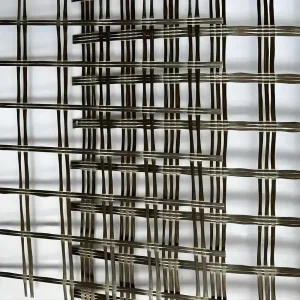
Premium structural reinforcement grid providing exceptional tensile support to prevent erosion and stabilize unstable embankments.
Equatorial Guinea, comprising both its continental region (Río Muni) and volcanic insular region (Bioko Island, housing the capital Malabo), features some of the most challenging structural environments globally. High relative humidity (often exceeding 90%), elevated volcanic soil acidity, continuous maritime salt spray, and torrential precipitation demand innovative construction technologies. Traditional concrete reinforcement relies heavily on structural steel reinforcement, which is prone to accelerated galvanic corrosion and chloride penetration.
This structural vulnerability results in high maintenance overheads, premature structural deterioration, and significant safety risks for coastal roads, marine ports, and civic buildings. Basalt Fiber Mesh emerges as the premier solution for these challenges. Derived from 100% natural, volcanic basalt rock, it offers a non-corrosive, highly durable, and structurally stable alternative to carbon and glass meshes, ensuring long-term structural integrity in tropical marine climates.
Founded in 2015 and based in the industrial hub of Jiujiang, Jiangxi Province, China Beihai stands as a premier high-tech enterprise dedicated to continuous basalt fiber production. Operating automated, high-precision electric furnace drawing lines, China Beihai converts raw, highly pure basalt rock into structurally consistent continuous filaments. The resulting composite materials demonstrate high tensile strength, outstanding thermal resistance, and exceptional chemical inertness.
By leveraging advanced furnace control algorithms, China Beihai delivers highly consistent basalt yarns, chopped strand mats, rebars, and multi-axial meshes. Unlike conventional glass fibers, our products require no complex resin coatings to survive highly alkaline concrete matrices. This inherent durability offers Equatorial Guinea contractors a reliable structural solution, backed by rigorous quality assurance systems and comprehensive international testing certifications.
For engineering departments and procurement agencies in Malabo and Bata, understanding the performance differences between basalt fiber and traditional reinforcing materials is essential. Below is a comprehensive comparative evaluation highlighting basalt fiber's advantages in humid marine environments.
| Performance Dimension | Continuous Basalt Fiber Mesh (Beihai) | Alkali-Resistant (AR) Glass Fiber Mesh | Traditional Epoxy-Coated Steel Mesh |
|---|---|---|---|
| Tensile Strength (MPa) | 3000 - 4800 | 1600 - 2400 | 500 - 900 |
| Density (g/cm³) | 2.63 - 2.80 (Lightweight) | 2.54 - 2.60 | 7.85 (Heavyweight) |
| Corrosion Mechanism | None (Inert to saltwater, acids, alkalis) | Slow alkali etching over time | Severe rust, oxidation, structural expansion |
| Thermal Range (°C) | -260°C to +700°C | -60°C to +450°C | Maintains structure up to ~500°C |
| Eco-Footprint | Low carbon footprint (100% natural rock) | High energy input synthetic mix | High carbon footprint (smelting process) |
In humid coastal zones like Bata and Malabo, concrete structural failure is primarily driven by carbonation and chloride-induced steel corrosion. When steel reinforcing bars rust, their volume expands up to 600%. This expansion generates internal tensile stresses that exceed concrete's tensile strength, leading to cracking and concrete spalling.
The Basalt Mesh Solution: Because basalt fiber is non-metallic and chemically inert, it does not rust or expand. Replacing steel meshes in concrete structures with high-tensile basalt fiber mesh eliminates concrete spalling at the source, allowing engineers to design thinner concrete protective layers and reduce structural weight without compromising durability.
Optimizing civil engineering outcomes by addressing specific geotechnical and environmental challenges across the country.
Reinforcing concrete structures for port extensions, retaining walls, and sea barriers in the Port of Malabo and Bata Port. Basalt fiber mesh withstands continuous exposure to saltwater splash zones without degradation, extending the service life of maritime facilities.
Stabilizing roadbeds on highways through Río Muni's rainforest zones. Utilizing basalt geogrids mitigates subgrade shifting, minimizes asphalt cracking during wet seasons, and increases load-bearing capacity for heavy transport vehicles.
Providing internal structural support for road tunnels and underground facilities cut through active volcanic rock on Bioko Island. Basalt mesh's chemical resistance protects structures against highly acidic groundwater runoff.
At China Beihai, we coordinate international logistics to ensure reliable delivery to West African ports. By working directly with our factory in Jiangxi, Equatorial Guinea contractors can optimize procurement costs and ensure consistent material quality.
1. Factory-Direct Pricing Advantages: Eliminating intermediaries reduces material costs for large-scale infrastructure projects.
2. Custom Product Formulations: We manufacture basalt fiber mesh in custom widths (1m to 6m), grid sizes (5mm to 50mm), and tensile strengths to match specific engineering design specifications.
3. Comprehensive Packaging & Sea Freight Logistics: Basalt products are packaged in moisture-proof, UV-resistant coverings to maintain product integrity during oceanic transit to Bata or Malabo ports.
Our production plant is equipped with advanced automated platinum-rhodium alloy bushing drawing systems, ensuring highly consistent fiber diameters and mechanical properties.
Get answers to frequently asked engineering questions about applying basalt composites in tropical marine and high-humidity environments.
Portland concrete is highly alkaline (pH 12.5 to 13.5). Standard glass fibers degrade when exposed to this environment, reducing their reinforcing capacity over time. Basalt fiber is naturally resistant to alkaline solutions, maintaining its tensile strength and structural integrity within concrete without requiring expensive chemical coatings.
Basalt fiber is completely rust-proof and non-metallic. Because it does not contain iron components, it cannot undergo electrochemical corrosion or chloride-induced oxidation. This makes it an ideal choice for marine structures, sea walls, and docks exposed to salt spray in places like Malabo and Bata.
Accelerated aging tests show that basalt-reinforced concrete structures can maintain their design parameters for over 50 years, even in high-humidity tropical marine conditions. This longevity significantly reduces the need for concrete maintenance and structural remediation.
Yes, basalt fiber has a high melting point (exceeding 1000°C) and low thermal expansion. It does not degrade or deform under hot-mix asphalt temperatures (typically 150°C to 170°C), making it a reliable solution for asphalt pavement reinforcement.
Explore our full range of basalt meshes, rovings, chopped strand mats, and insulation fabrics. Direct shipment from our manufacturing base to your project site.
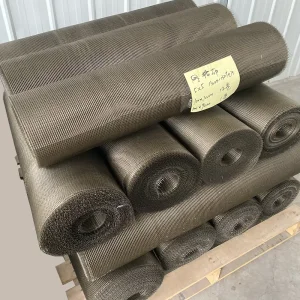
High-tensile basalt fiber mesh for reinforcement in concrete structures, plastering applications, and masonry work.
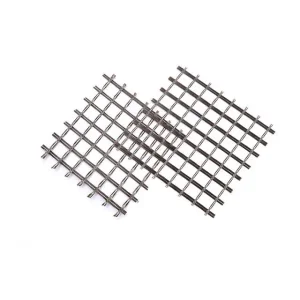
Designed for soft soil foundations, heavy-load roadbeds, and slope stabilization projects in tropical regions.
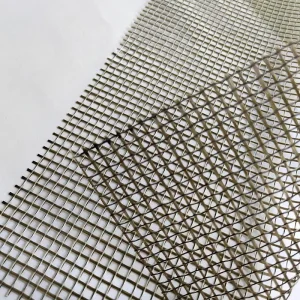
Engineered for tunnel linings, underground excavations, and mining shafts to resist moisture and acid corrosion.
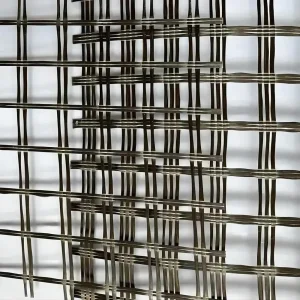
High modulus grid designed to prevent reflective cracking and rutting in asphalt concrete overlays.
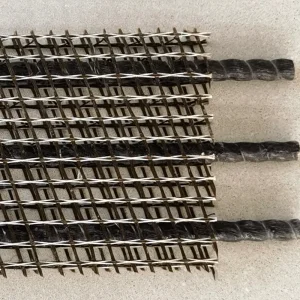
3D structured mesh that enhances the flexural strength and impact resistance of concrete panels and facades.
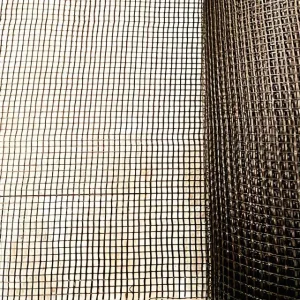
Thermally stable, high-tensile mesh engineered to reinforce asphalt overlays and extend road life.
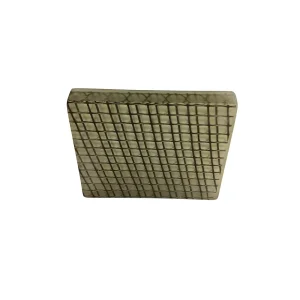
An ideal mesh for interior/exterior wall plastering, preventing shrinkage cracks in humid coastal climates.
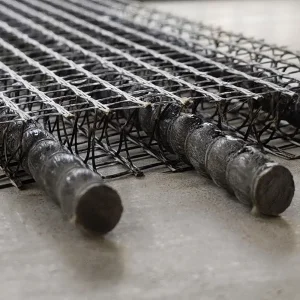
Heavy-duty structural mesh designed for high-stress applications in heavy industrial flooring and containment areas.
In addition to structural meshes, we manufacture raw basalt fiber materials for compounding, thermal barrier insulation, and marine composite processing.
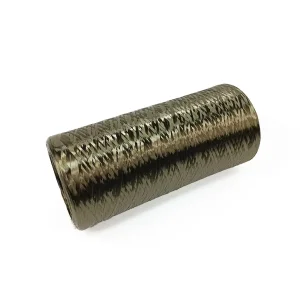
Continuous single or multi-end basalt roving. Ideal for manufacturing basalt rebar, profiles, and pultruded components.
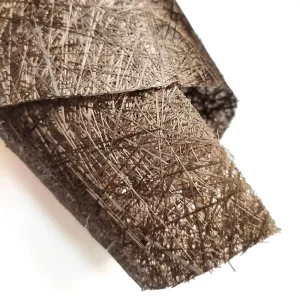
Non-woven mat composed of randomly distributed basalt strands. Ideal for corrosion-resistant composite tanks and pipe linings.
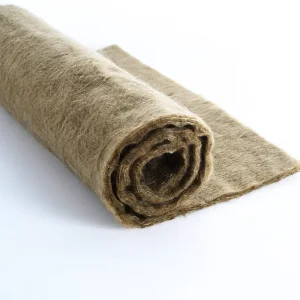
Mechanically bonded basalt fibers without chemical binders. Excellent thermal barrier for exhausts, vessels, and industrial ovens.
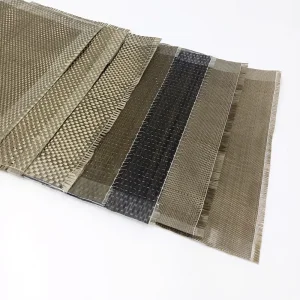
Woven basalt fabric providing heat resistance and flame barrier properties. Ideal for welding curtains and expansion joints.
 Beihai Fiberglass