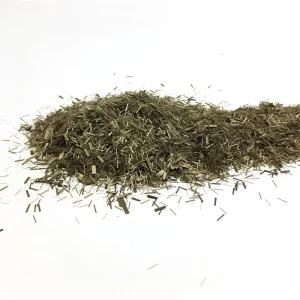
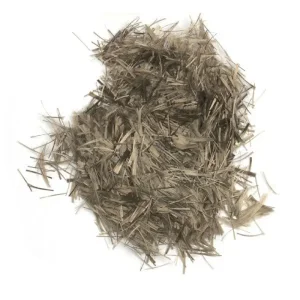
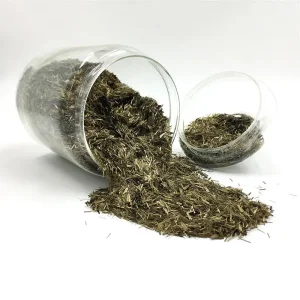
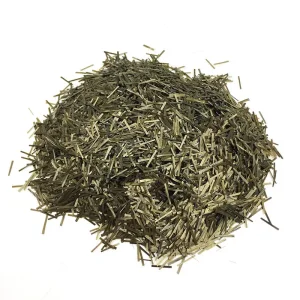
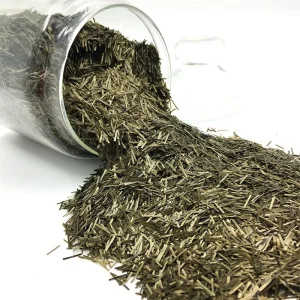
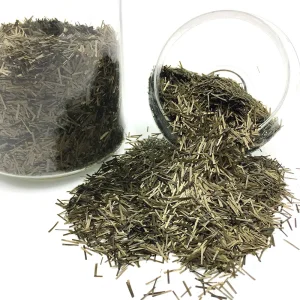
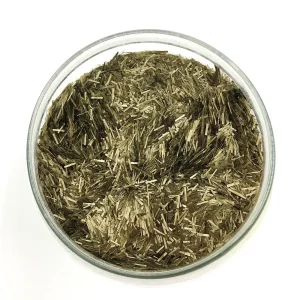
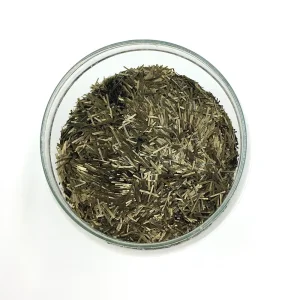
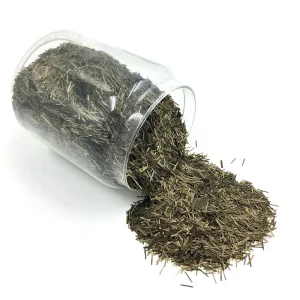
As Slovenia continues its transition towards a green and circular economy, the demand for sustainable construction materials has surged. Basalt fiber chopped strands, derived from natural volcanic rock, are perfectly aligned with the "Green Slovenia" initiative. In regions like Ljubljana and Maribor, municipal infrastructure projects are increasingly specifying basalt reinforcement due to its resistance to the harsh alpine climate and winter road salting operations which traditionally corrode steel.
The Slovenian construction sector, characterized by high-quality engineering and seismic-sensitive building codes, finds a unique ally in basalt fiber. Unlike glass fiber (E-Glass), basalt offers superior alkali resistance, making it the premier choice for the high-pH environment of concrete reinforcement in local civil engineering projects.
Year Established
Global Projects
Higher Tensile Strength
Safety Rating
Globally, the basalt fiber market is witnessing a compound annual growth rate (CAGR) of over 12%. This is driven by the aerospace, automotive, and renewable energy sectors. In 2024, China Beihai remains at the forefront, leveraging advanced melt-spinning technologies to produce fibers that exceed ISO 9001 standards. Our production in Jiangxi Province integrates automated control systems to ensure consistency in fiber diameter and sizing chemistry, which is critical for Slovenian manufacturers of friction materials and BMC (Bulk Molding Compounds).
For our partners in Slovenia, we provide full compliance documentation, including REACH and CE certification. We understand that local procurement requires more than just a product; it requires logistical reliability. Our distribution network ensures that "Made in China Beihai" quality reaches Koper port or via rail-freight with localized technical data sheets (TDS) and Material Safety Data Sheets (MSDS) tailored for EU regulatory frameworks.
Next-Gen Reinforcement: The future of basalt in Slovenia lies in the 3D concrete printing (3DCP) industry. Basalt chopped strands are being tested for their ability to maintain flowability while providing structural integrity during the printing process. Additionally, the development of "Smart Fibers" with integrated sensors is on our R&D roadmap, aiming to provide real-time structural health monitoring for Slovenian bridges and tunnels.
Sustainability Focus: As the EU tightens carbon border adjustments (CBAM), the low carbon footprint of basalt fiber (produced with significantly less energy than carbon fiber) positions it as the most viable eco-friendly alternative for the next decade.
Reinforcing bridge decks and highway barriers in the Slovenian Alps to withstand freeze-thaw cycles.
Lightweight brake pads and clutch facings for the Central European automotive supply chain.
Insulating panels for public buildings in Ljubljana, utilizing basalt's inherent non-combustibility (up to 700°C).
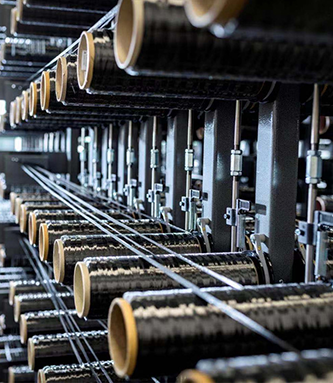
China Beihai is founded in 2015 and located in Jiujiang, Jiangxi Province. China Beihai is a high-tech enterprise focusing on the research, development, production and sales of high-performance basalt continuous fiber and its production equipment manufacturing, as well as a leading enterprise in the domestic basalt fiber industry.
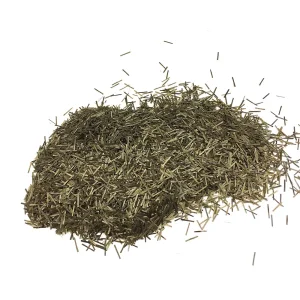
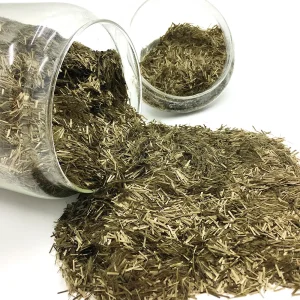
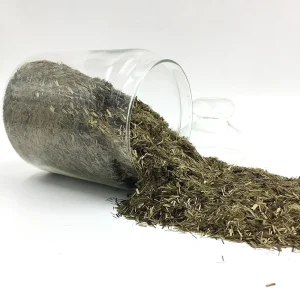
At China Beihai group, we specialize in the production of a wide range of products including basalt fiber mat, basalt fiber roving, basalt fiber yarn, basalt fiber chopped strands, and basalt fiber products such as rebar, sleeves, and tape.
Choosing to work with China Beihai means working with a leading manufacturer. Our commitment to quality, innovation, and sustainability sets us apart, ensuring best-in-class solutions for the Slovenian market.
A: While basalt fiber has a higher initial cost than E-Glass, its lifecycle value in Slovenia is superior due to its extreme durability in corrosive environments, reducing maintenance costs by up to 40% over 50 years.
A: Yes, we offer standard lengths (6mm, 12mm, 18mm, 24mm) and custom cutting services to meet the specific mechanical requirements of your project.
A: Generally, production and transit to Slovenia takes 4-6 weeks via sea freight to Koper, or 3 weeks via the China-Europe Railway Express.
A: Absolutely. Our fibers are treated with specialized silane sizing agents that ensure excellent interfacial bonding with all major European resin brands.
 Beihai Fiberglass