Engineered for high alkali environments, extreme structural loading, and dynamic acoustic damping.
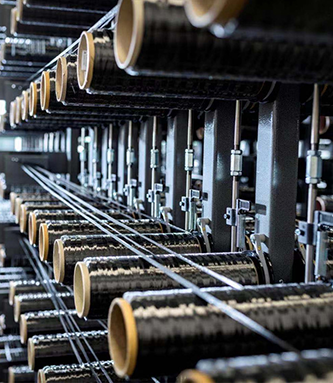
Leading China Continuous Basalt Fiber Pioneer
Founded in 2015 and strategically headquartered in Jiujiang, Jiangxi Province, China Beihai is a premier national high-tech enterprise. We are fully committed to the research, development, mass production, and distribution of high-performance continuous basalt fibers (CBF) and advanced equipment.
By integrating proprietary volcanic melting processes, we have cemented our position as an industry leader in China's basalt fiber ecosystem. Our facility delivers state-of-the-art basalt reinforcements designed to overcome high-corrosion, high-temperature, and extreme tensile stress limits in infrastructure across the globe.
Why engineering consultants and industrial contractors worldwide partner with China Beihai Group.

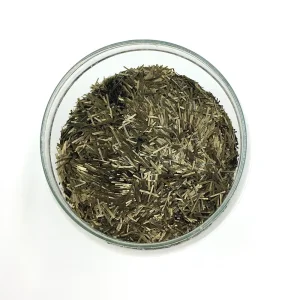
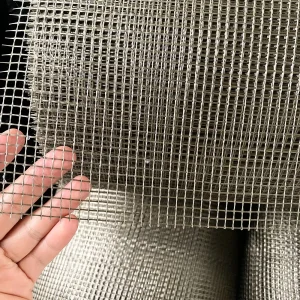
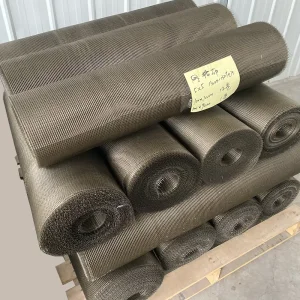
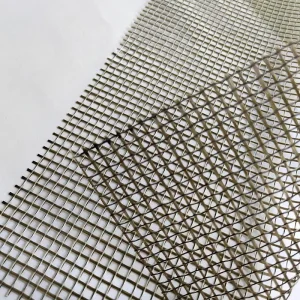
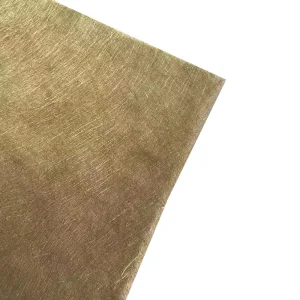
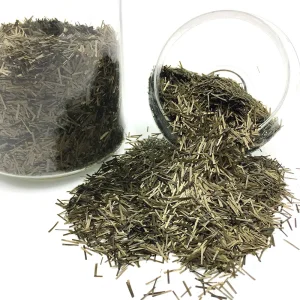
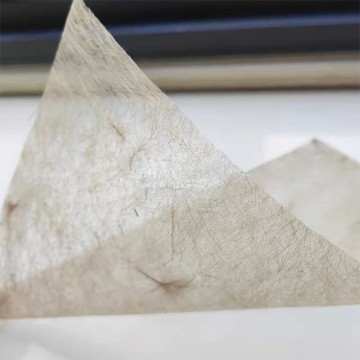
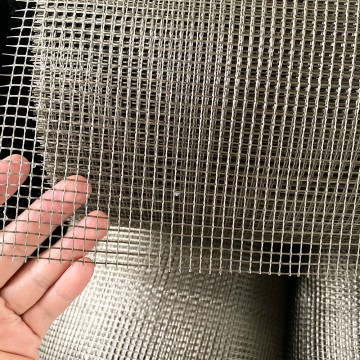
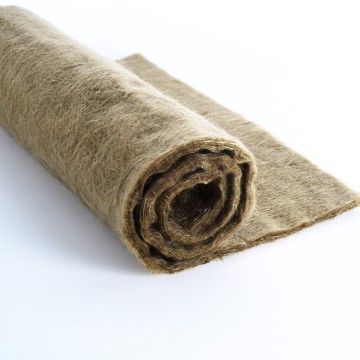
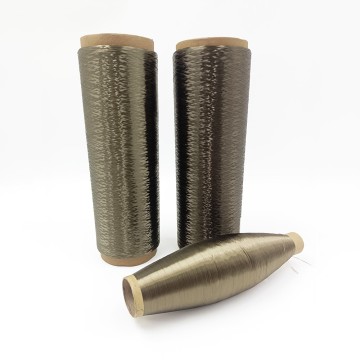
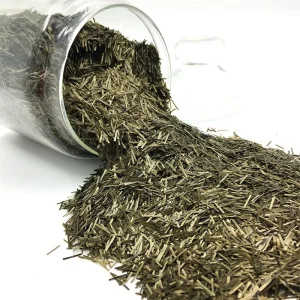
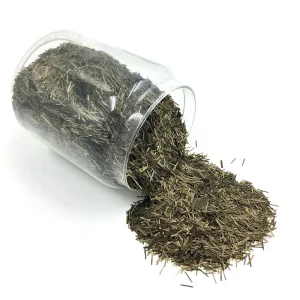
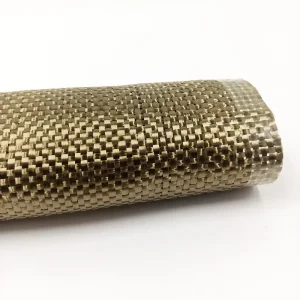
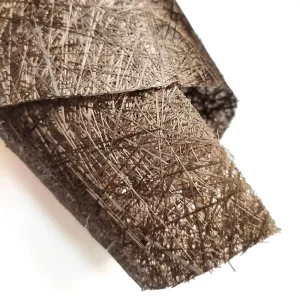
We synthesize a comprehensive catalog, including basalt fiber surfacing tissue mats, woven rovings, high-tenacity yarns, chopped strands, basalt rebars, sleeves, and heat insulation tapes. All engineered for chemical inertness and structural longevity.

We supply specialized sustainable reinforcing products tailored to geotechnical stabilization, bridge restorations, structural reinforcements, and aerospace design. We work closely with contractors to optimize tensile ratings and alkali stability.

Our commitment to rigorous structural testing, cost-efficiency, and continuous basalt fiber manufacturing ensures a reliable supply chain. We maintain extensive raw material resources and state-of-the-art green processing lines.
An expert-level perspective on volcanic rock extrusion and its role in sustainable modern infrastructure engineering.
Worldwide, the demand for basalt fiber is experiencing exponential growth. Infrastructure agencies in the United States, Germany, Japan, and coastal regions are facing deterioration of steel-reinforced concrete. De-icing salts, marine atmospheres, and acidic soils lead to micro-cracking and eventual failure. Magma basalt products are inherently immune to electrochemical rust, transforming marine docks, subways, and bridge designs into structures capable of lasting over a century with minimal maintenance.
As a major manufacturing hub, China Beihai capitalizes on an integrated supply chain. From the abundance of premium basalt deposits in Jiangxi Province to optimized high-capacity multi-nozzle furnaces, we minimize energy waste and output variance. This scale ensures that global distributors receive consistent roving and rebar sizing, rapid lead times, and competitive pricing that smaller localized facilities cannot match.
To highlight the physical advantages of our continuous basalt fiber products, review the certified comparative properties below:
| Performance Property | Continuous Basalt Fiber (CBF) | E-Glass Fiber | Carbon Fiber (Standard) | Reinforcing Steel (Grade 60) |
|---|---|---|---|---|
| Tensile Strength (MPa) | 3,000 - 4,800 | 1,500 - 2,500 | 3,500 - 5,000 | 400 - 550 | Elastic Modulus (GPa) | 89 - 110 | 72 - 76 | 230 - 290 | 200 |
| Density (g/cm³) | 2.63 - 2.80 | 2.54 - 2.60 | 1.75 - 1.80 | 7.85 |
| Working Temperature (°C) | -260 to +700 | -60 to +380 | Up to +650 | Up to +500 |
| Corrosion & Alkali Resistance | Excellent (High) | Moderate to Poor | Excellent | Extremely Poor (Rusts) |
| Carbon Footprint (Relative) | Low (100% Ecological) | Medium | High | Very High |
Toggle between our primary structural components to evaluate technical properties and application galleries.
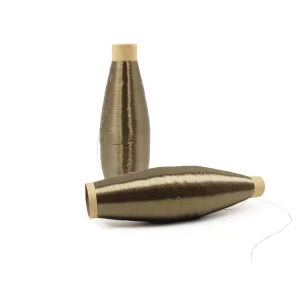
Our continuous basalt fiber rovings are wound directly onto spool packages, engineered to support pultrusion, filament winding, and weaving applications. They feature optimized sizing agents compatible with epoxy, vinyl ester, polyester, and phenolic resins.
Thanks to their high thermal resistance (-260°C to +700°C), they serve as excellent heat shielding components in automotive manifolds, petrochemical vessels, and high-spec aerospace wiring insulation.
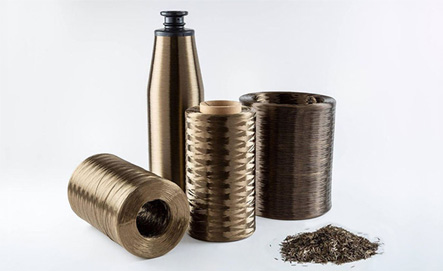
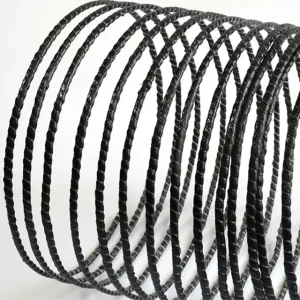
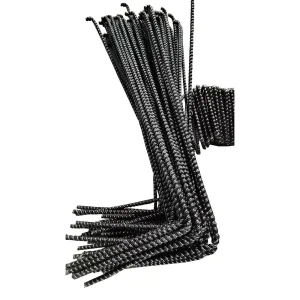
Basalt Fiber Rebar (BFRP) is a revolutionary high-strength alternative to traditional steel bars. Possessing 4x the tensile strength of standard steel while weighing 75% less, BFRP allows engineers to design thinner concrete profiles and drastically reduce transport and crane costs.
Ideal for coastal bridge decks, marine retaining walls, toll booths (due to its electromagnetic neutrality), and chemically aggressive industrial flooring slabs.
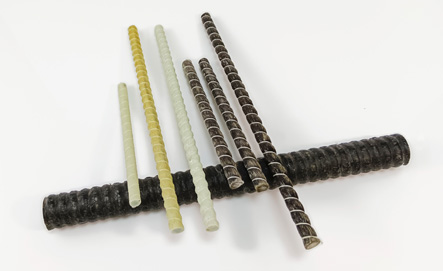
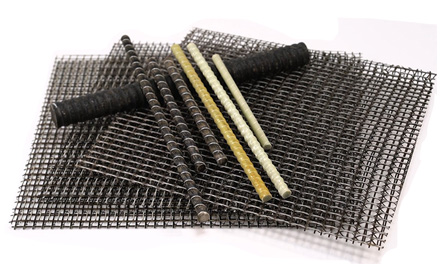
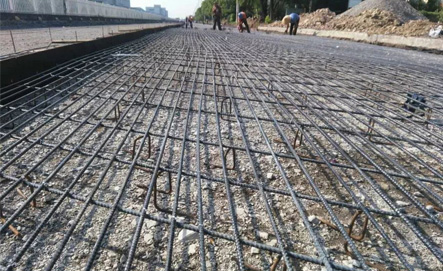
High-demand continuous basalt materials pre-engineered for specialized manufacturing and construction lines.
From aerospace defense systems to deep-sea foundation blocks, basalt is the ultimate solution.

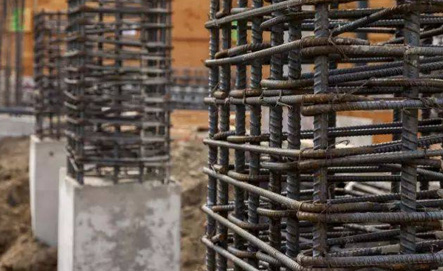
Reinforcing structural columns, seismic repair wraps, and exterior thermal envelopes to protect residential and commercial structures from elemental degradation.

Basalt composites provide lighter alternatives for secondary aircraft structures, engine acoustic baffles, and cabin internal floor panels.

Incorporated into rocket exhaust fairings, atmospheric reentry shields, and specialized high-temperature insulating panels for deep space instrumentation.

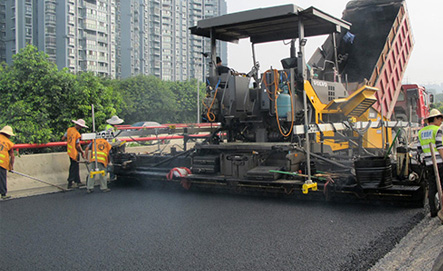
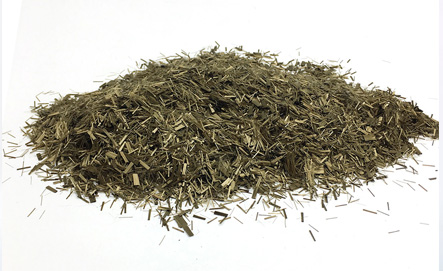
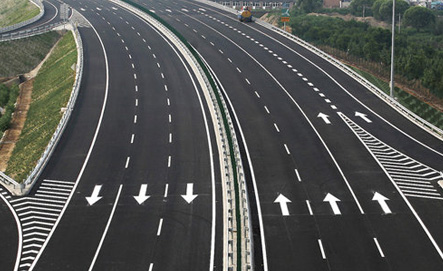
Dramatically increases fracture toughness and prevents micro-fissure propagation in highways, industrial parking slabs, and precast utility panels.

Provides lightweight structural strength for bumpers, underbody heat shields, muffler packers, and bulk molding compounds (BMC).

Protects concrete columns submerged in active marine waterways from ship impact energy, tidal erosion, and saltwater ingress.

Used to wrap petrochemical transport conduits, refinery structural skeletons, and containment linings vulnerable to chemical splashes.

Prevents galvanic corrosion in marine bulkheads, deck reinforcements, and underwater hulls, extending ship lifespans while lowering drydock frequencies.
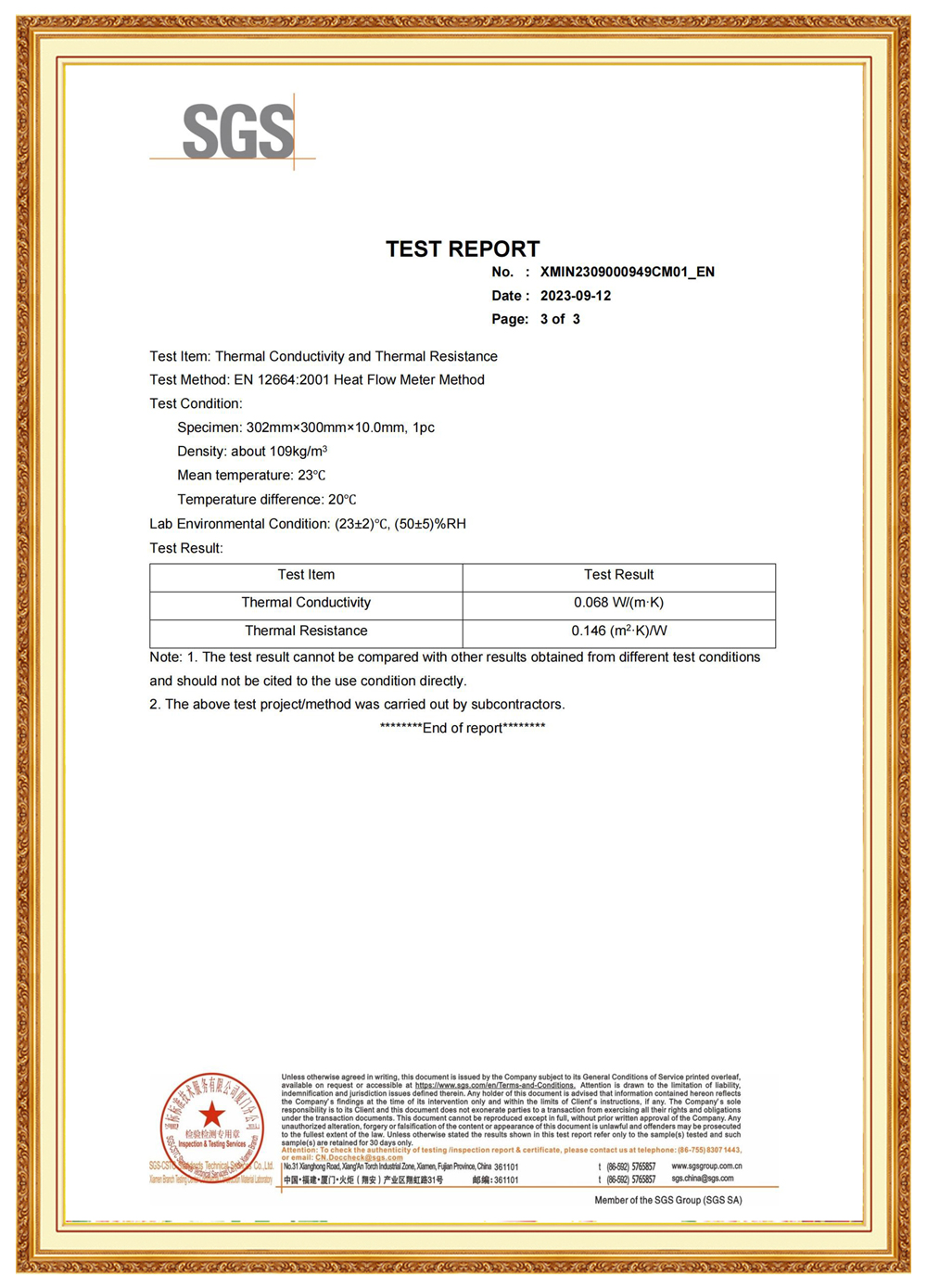
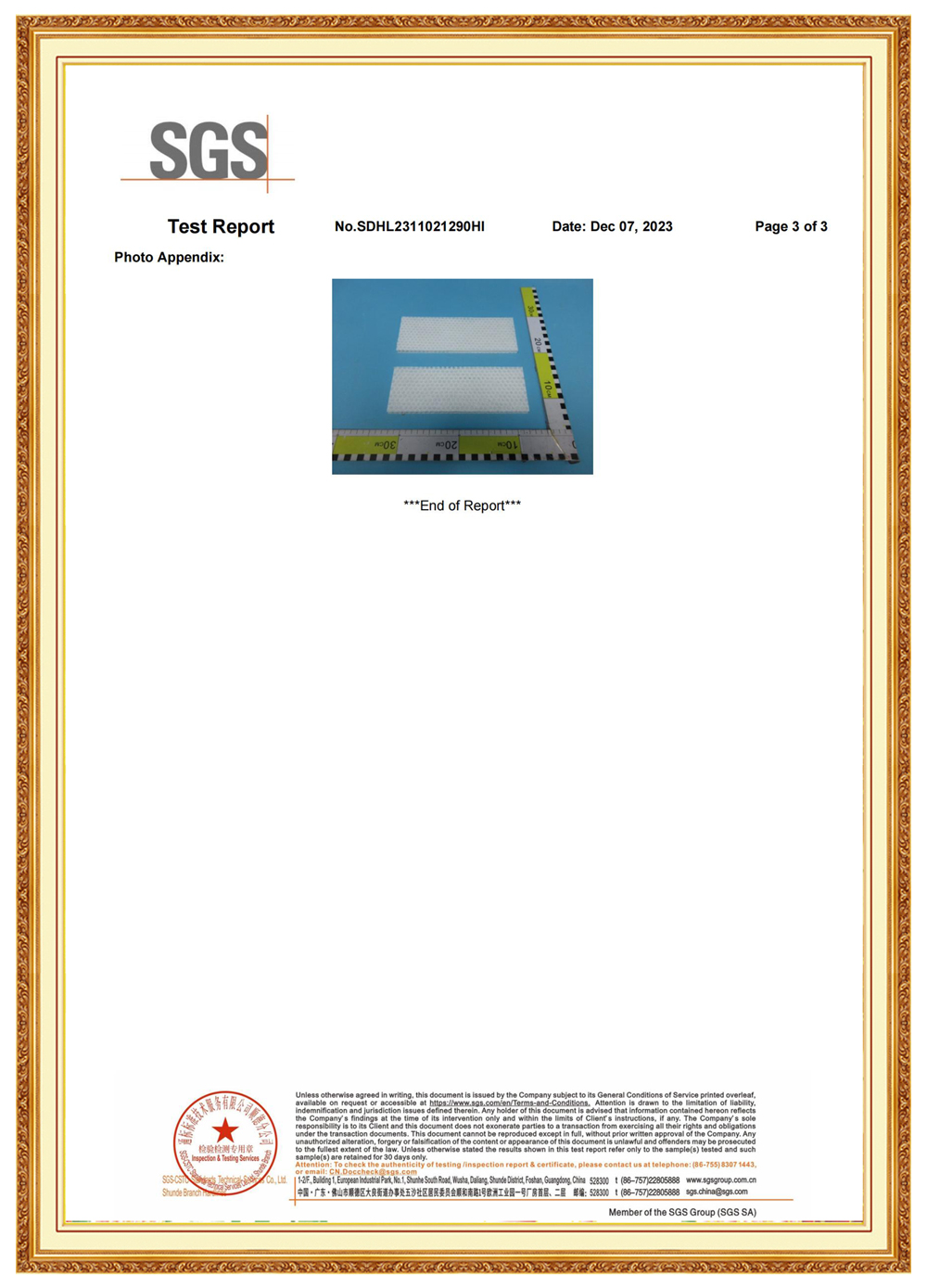
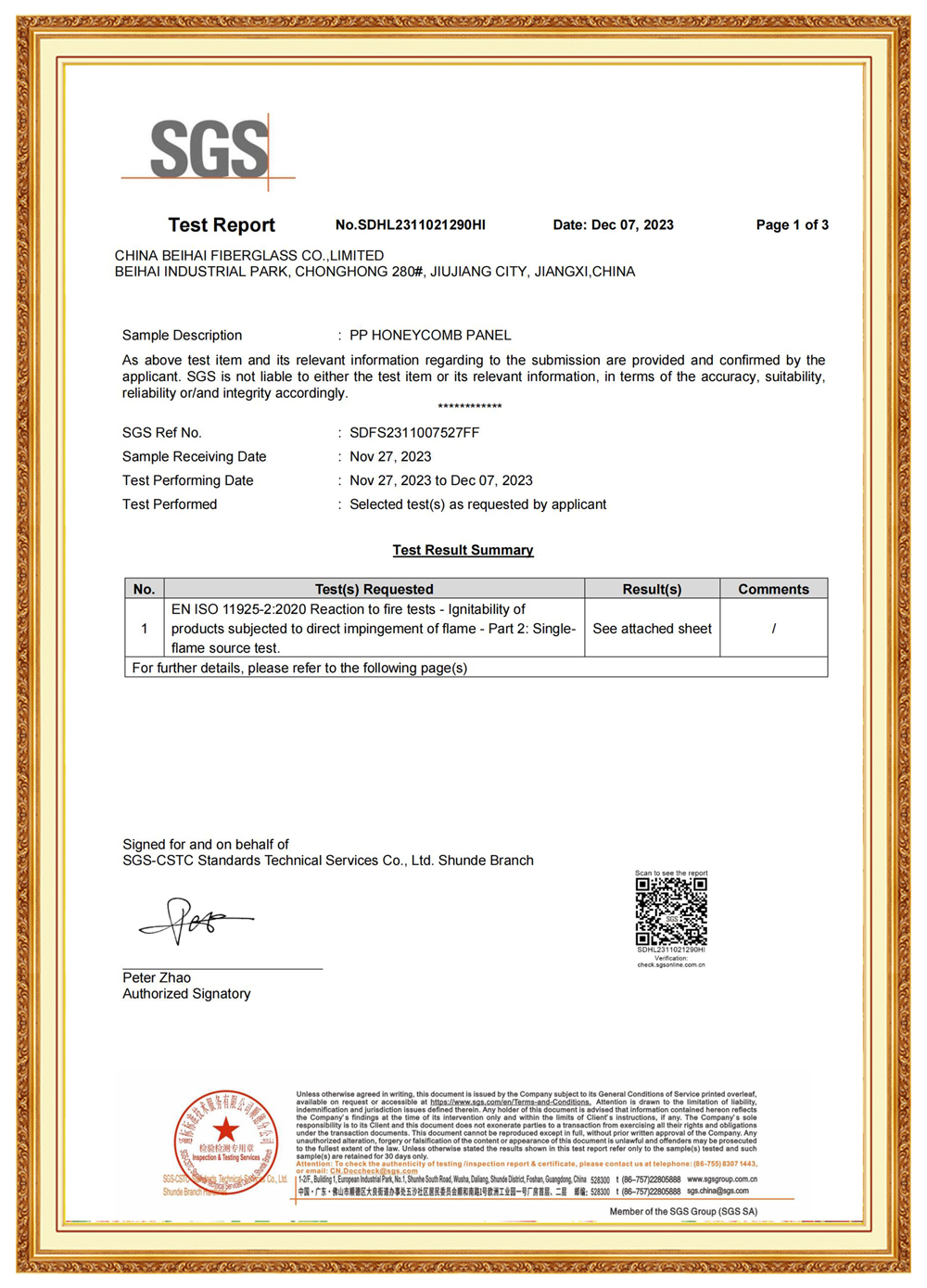
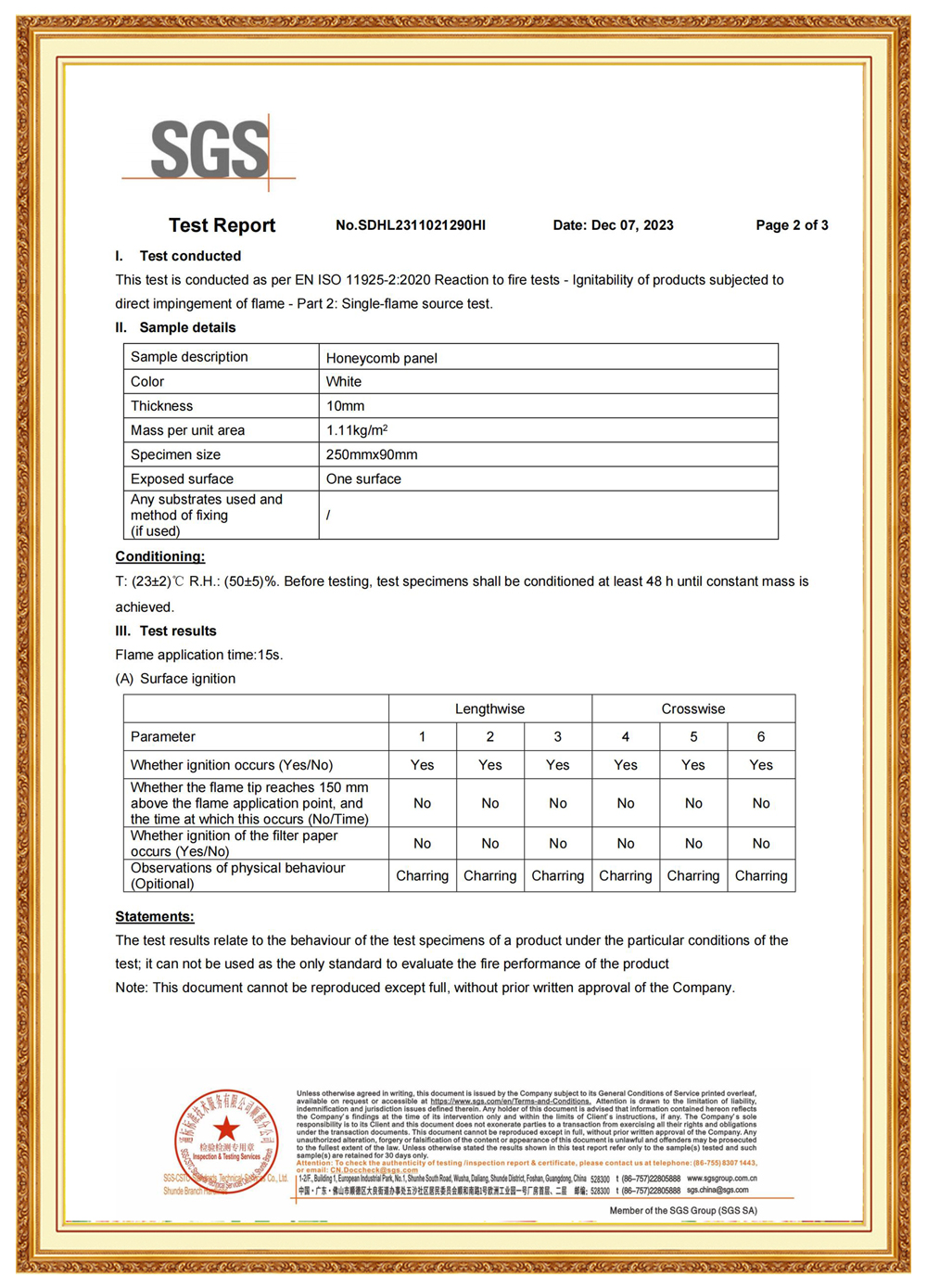
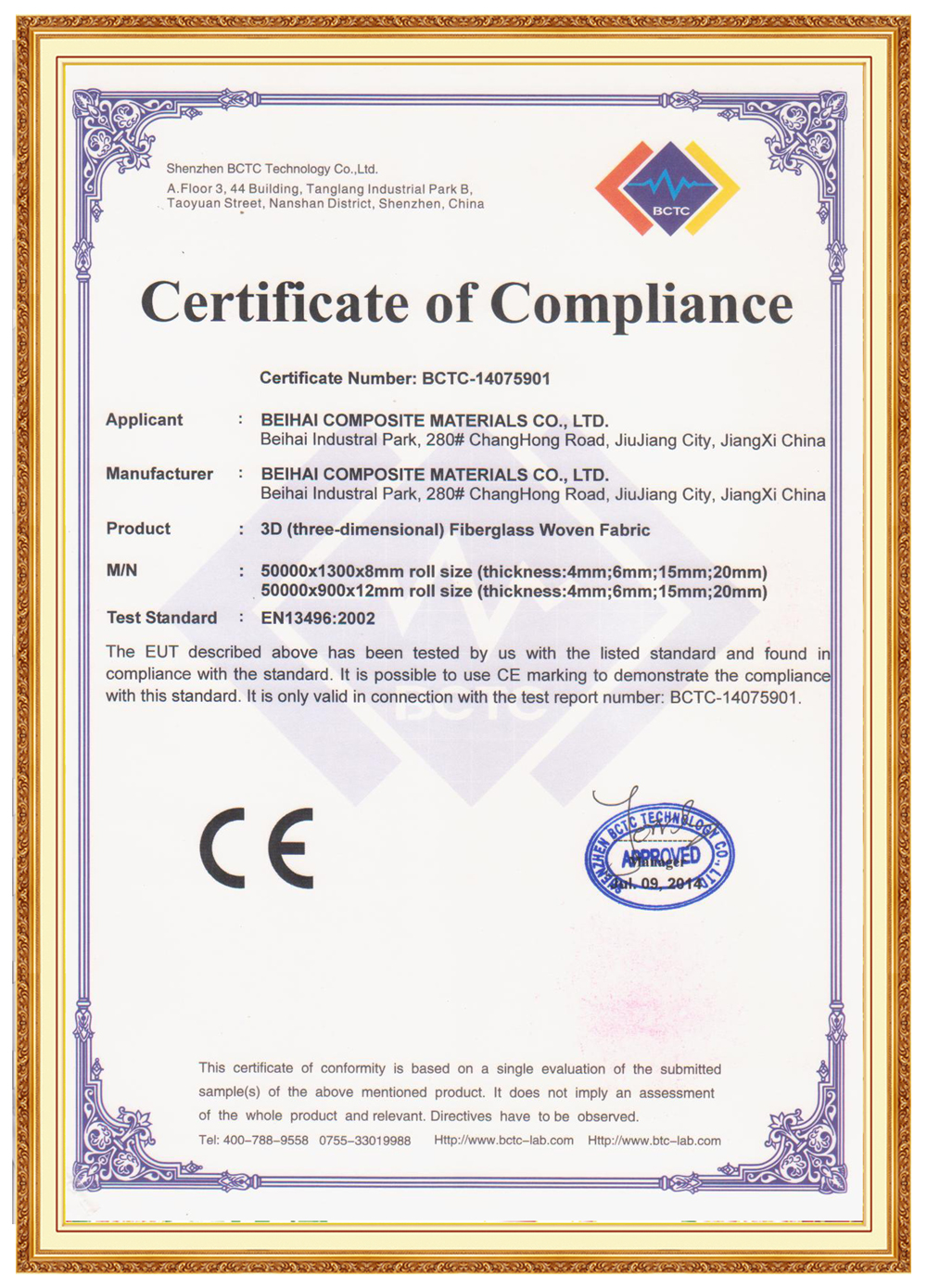
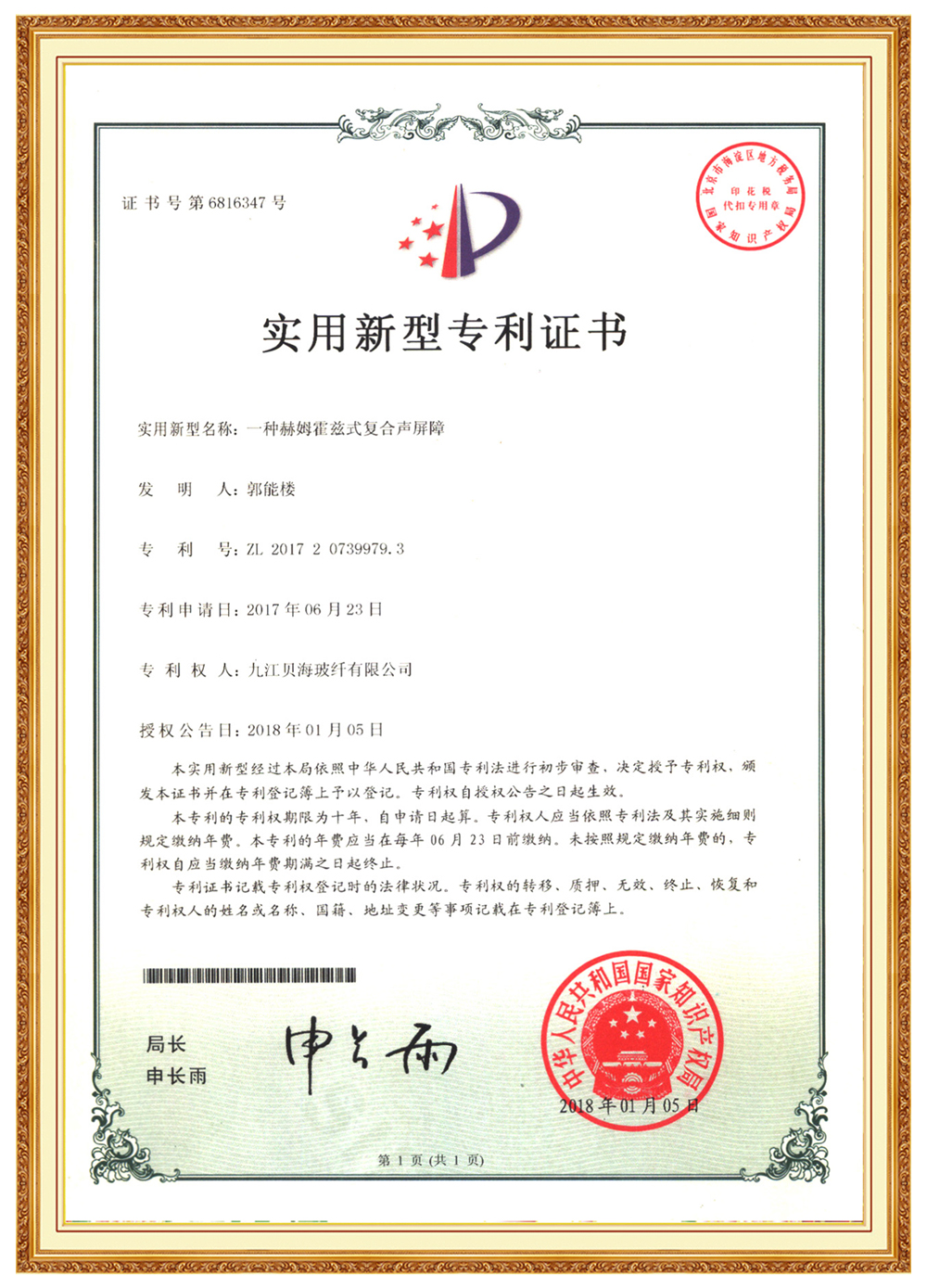
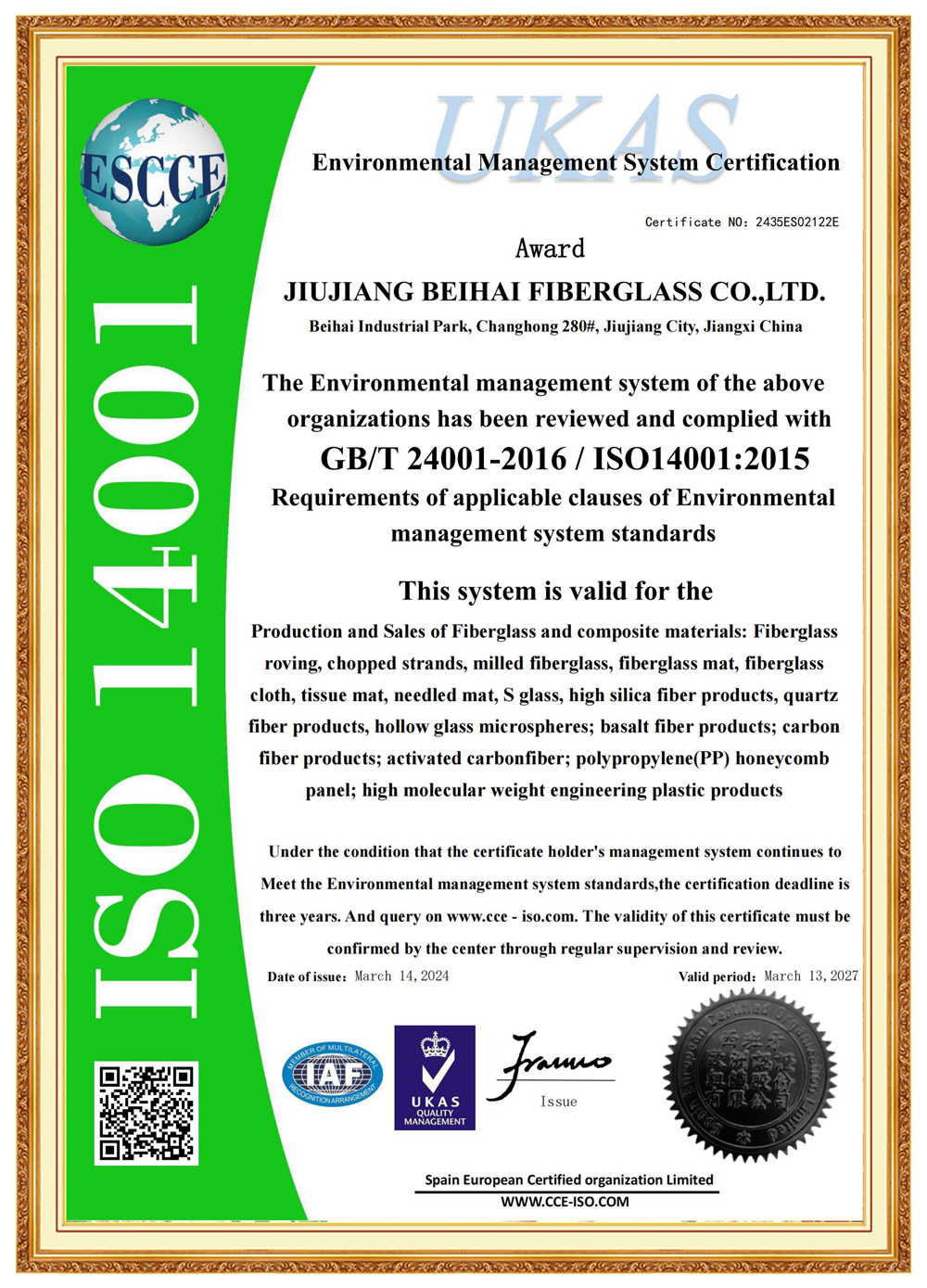
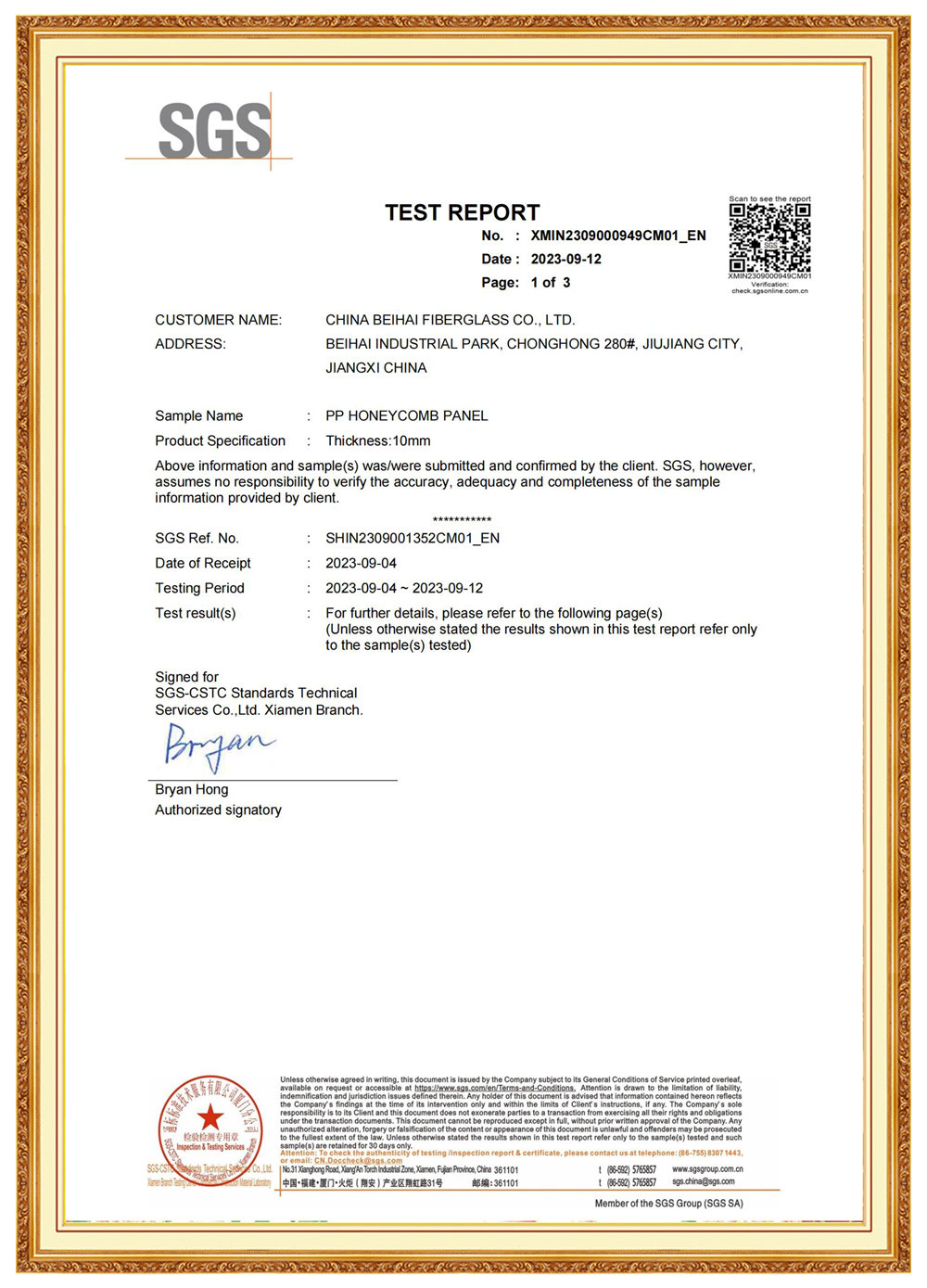
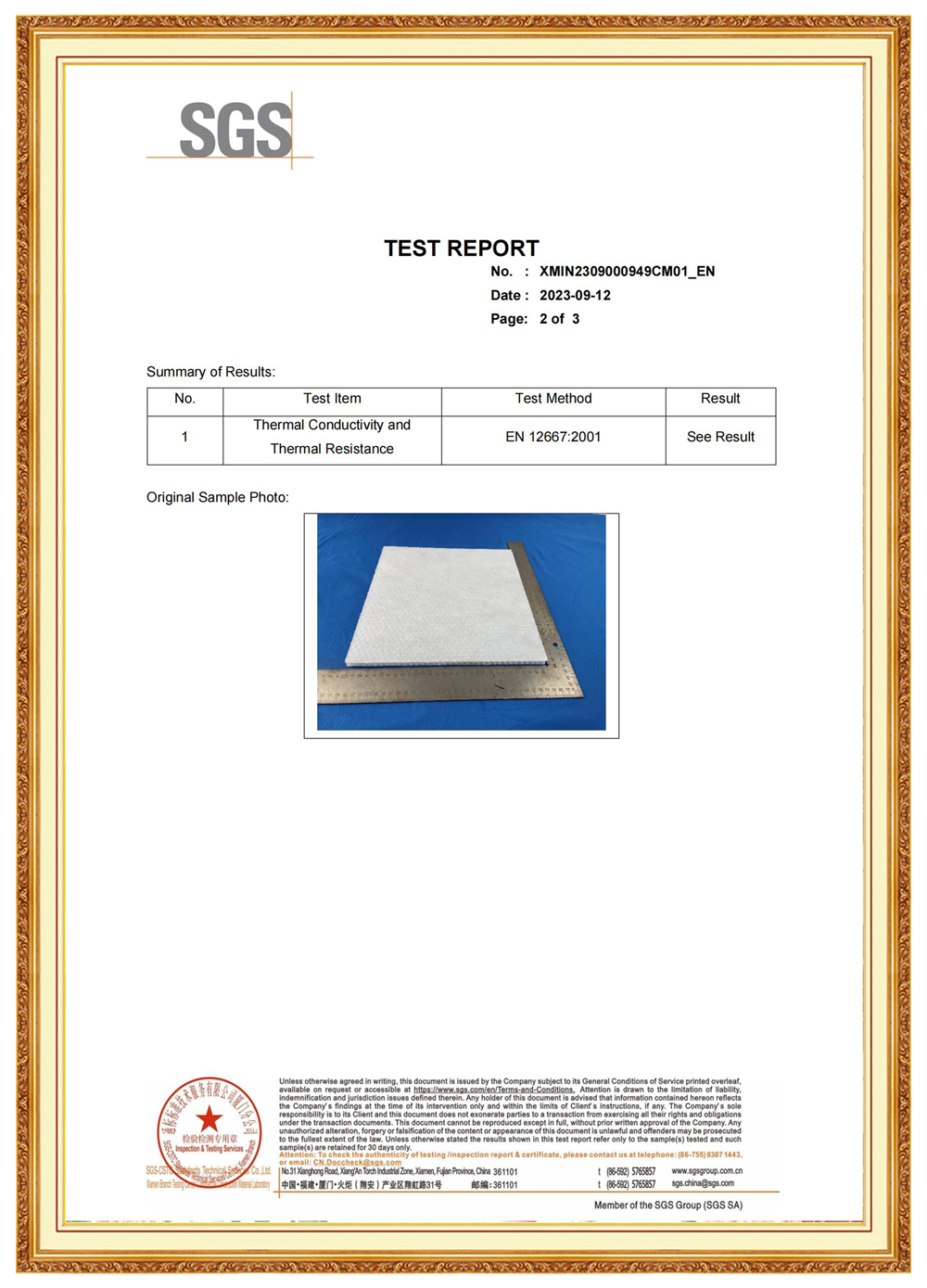
Exporting structurally certified basalt fibers globally, compliant with ISO, CE, ASTM, and Chinese national standards.

Keep up to date with new formulations, material advancements, and continuous basalt fiber market insights.

From heavy-duty monitoring drones inspecting forest fire zones to robotic limbs functioning in chemical environments, high-performance basalt fiber composites serve as the crucial structural backbone, offering low density and high chemical resistance.
Read Full Article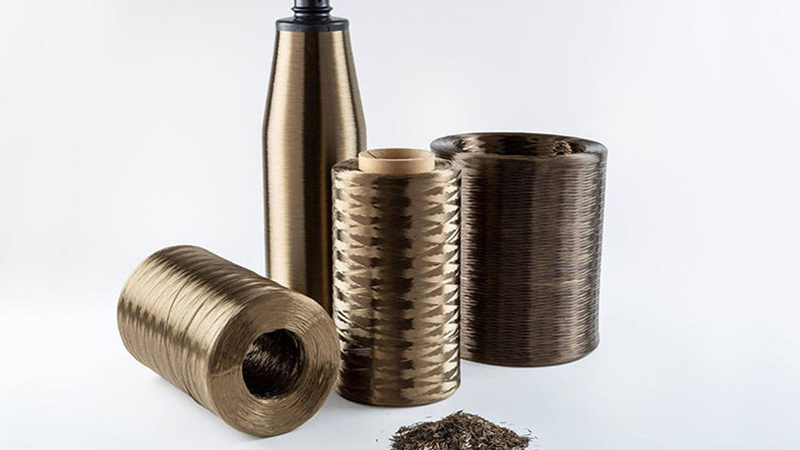
At China Beihai, we have completed a modernization program for our continuous melting systems in Jiujiang. This upgrade decreases energy usage by 18% and enhances the uniformity of our sizing coats, improving resin bonding in complex molded composites.
Read Full ArticleThe global demand for high-strength, environmentally sound, and corrosion-resistant materials is forcing a structural shift away from traditional alloys and towards specialized basalt fiber materials. Produced from molten volcanic rock, Magma Basalt products represent a major advance in materials science. Unlike glass fiber, which can degrade in highly alkaline concrete environments, or carbon fiber, which has high production energy requirements and costs, continuous basalt fiber (CBF) offers a balance of physical performance, chemical stability, and cost-efficiency.
In North America, Western Europe, and coastal Asia, municipal governments and highway departments are facing high repair bills for concrete structures built during the mid-to-late 20th century. Traditional carbon steel rebars rust when exposed to road de-icing salts, marine air, and industrial atmospheric pollution. As steel oxidizes, it expands up to 600% in volume, causing internal pressure that cracks and shears the surrounding concrete.
Replacing standard steel with **Basalt Fiber Reinforced Polymer (BFRP) Rebars** breaks this oxidation loop. BFRP is chemically inert and does not rust. This prevents structural degradation, allowing engineers to plan for infrastructure life cycles exceeding 100 years. This material is increasingly specified for toll road decks, marine seawalls, bridge piers, chemical processing floors, and magnetic resonance imaging (MRI) rooms, where electrical conductivity and magnetic interference must be avoided.
Operating from our production facility in Jiujiang, Jiangxi, China Beihai Group utilizes automated continuous extrusion lines. The manufacturing of basalt fiber requires strict temperature control. Natural volcanic basalt is crushed and loaded into gas-fired or electric-arc furnaces, where it is melted at 1450°C to 1500°C.
Unlike glass production, which requires chemical additives like boric acid and soda ash, basalt fiber is produced purely from the natural rock melt. The liquid rock is drawn through high-precision platinum-rhodium alloy bushing plates containing hundreds of micro-nozzles, forming filaments with diameters ranging from 9 to 22 micrometers. These filaments are treated with specialized coupling agents (sizing) before being wound into roving bundles.
By refining furnace geometry and automating our bushing controls, China Beihai achieves high batch consistency, minimizing diameter variation and ensuring stable tensile performance.
Basalt fiber is an environmentally sound alternative for structural reinforcement. As a single-component material derived from volcanic rock, it requires no chemical additions and produces no hazardous waste during manufacturing. At the end of a structure's lifespan, basalt-reinforced concrete can be crushed and recycled without releasing harmful chemicals into the soil, supporting green building certification systems like LEED and BREEAM.
Addressing the critical engineering, chemical, and logistics questions raised by international structural engineers and buyers.
Yes. Continuous basalt fiber (CBF) has a tensile strength (typically 3000 to 4800 MPa) that is roughly 30% to 50% higher than standard E-glass fiber. It also offers a higher elastic modulus (89-110 GPa compared to E-glass’s 72 GPa), providing greater structural stiffness under load.
Unlike standard glass fiber, which suffers from silica dissolution when exposed to the high pH environment of hydrating concrete, basalt fiber exhibits high alkali resistance. This resistance is further enhanced at China Beihai through the application of specialized alkali-resistant chemical sizing coatings, protecting the fiber core from alkaline attack.
Basalt products maintain their mechanical integrity over a wide temperature range, from -260°C to +700°C. They do not melt until they exceed 1250°C, and they retain up to 80% of their tensile strength at temperatures up to 400°C, making them excellent thermal barriers.
Because Basalt Fiber Reinforced Polymer (BFRP) is a thermoset composite, it cannot be bent on-site after the resin matrix has cured. All bends, hooks, and custom shapes must be specified during the design phase and pre-fabricated at the factory before shipping.
Basalt fiber has a lower carbon footprint than carbon fiber and steel. The production process uses raw basalt rock without chemical precursors, reducing emissions. This makes it a preferred material for projects seeking green building credentials.
We supply roving spools with sizing formulations tailored to specific resin matrices. This includes silane-based sizing for epoxies, vinyl esters, and polyurethanes, as well as specialized sizing for polypropylene and polyamide compounding.
For standard specifications like 2400 Tex rovings or common BFRP rebar diameters (6mm to 16mm), we maintain stock for immediate dispatch. Custom sizing, specialized mesh styles, and large volume runs typically require a production lead time of 15 to 25 days, shipping out via the Port of Jiujiang or Shanghai.
Yes. Basalt Fiber Reinforced Polymer rebars are non-conductive and non-magnetic. They do not interfere with telecommunication signals, radar, or medical equipment like MRI scanners, making them ideal for high-tech medical and defense facilities.
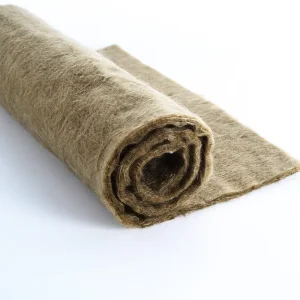
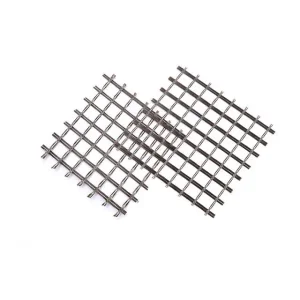
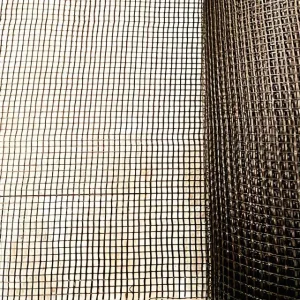
Complete your supply chain with specialized composite reinforcements, thermal felts, and road geogrids.
 Beihai Fiberglass