Explore our industrial-grade high-temperature basalt fiber composites, woven tapes, and structural reinforcement systems engineered for harsh marine and chemical environments.
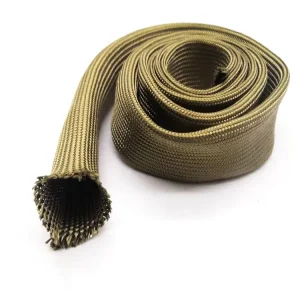
Custom corrosion-resistant sleeves and thermal insulation tapes engineered for heavy industrial piping and harsh chemical environments.
Get Pricelist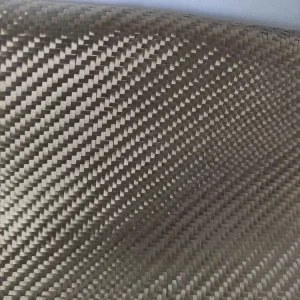
Premium basalt fiber high-temperature fireproof cloth designed for industrial welding blankets, thermal barriers, and insulation shields.
Find Factory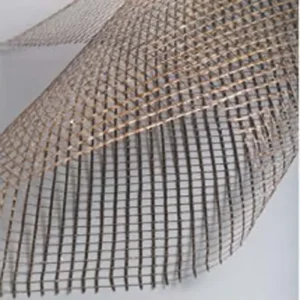
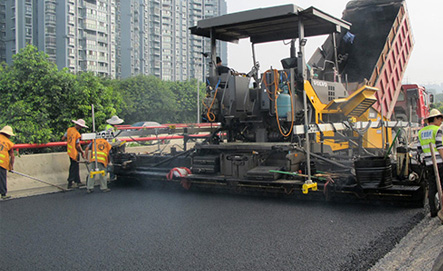
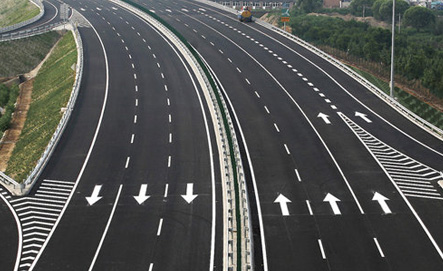
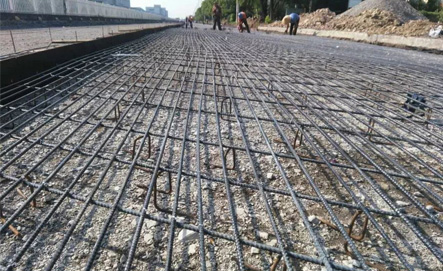
High-durability structural grid mesh designed specifically for asphalt overlays, road expansion, and soil stabilization.
Get Quote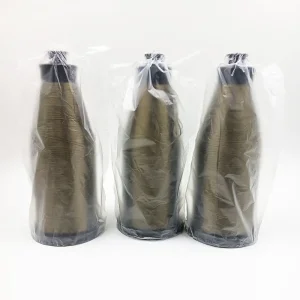
High-tensile continuous basalt yarn optimized for industrial sewing, braiding, and heat-resistant thermal textile manufacturing.
Check Price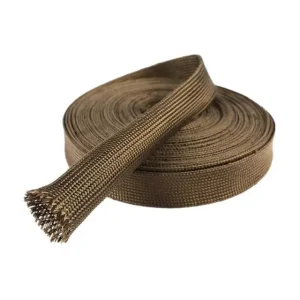
High-temperature wire and cable protection sleeve woven from high-durability continuous volcanic rock fibers.
Wholesale RFQ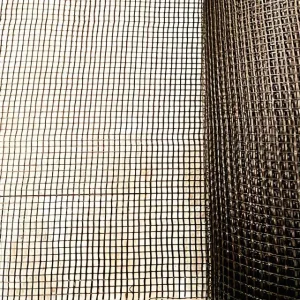
Eco-friendly basalt fiber reinforcement mesh to prevent cracking, rutting, and fatigue in heavy-duty highways.
View Details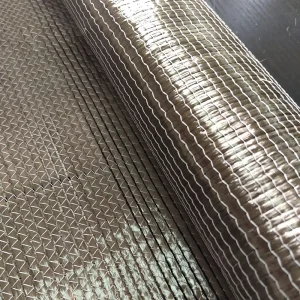
Standard-compliant high-density fireproofing basalt cloth ideal for structural firewalls, partition walls, and engine bay liners.
Order Samples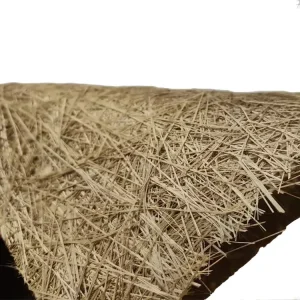
Uniformly distributed basalt chopped strand mat designed for quick resin wet-out in vacuum infusion composite molding.
Request QuoteAs the construction, aerospace, marine, and infrastructure sectors seek more sustainable, high-performance, and corrosion-resistant materials, Continuous Basalt Fiber (CBF) has emerged as the premier green material of the 21st century. Sourced from natural volcanic basalt rock formations, this single-component inorganic material offers unmatched structural and chemical advantages over E-glass, steel, and carbon fibers.
"Unlike traditional composite reinforcements, basalt fiber is manufactured in a single-step melting process without chemical additives. This makes it an environmentally neutral choice that achieves a carbon footprint up to 80% lower than carbon fiber alternatives."
When engineering modern structural concrete elements, bridge decks, and highway overlays, material degradation is the primary driver of maintenance costs. Conventional steel rebar is highly vulnerable to electrochemical corrosion caused by salt, moisture, and chemical exposure. While glass fiber composites (GFRP) provide corrosion resistance, they fail to match basalt's thermal performance, alkali resistance, and tensile modulus.
| Performance Metric | Continuous Basalt Fiber (CBF) | E-Glass Fiber | Carbon Fiber (Standard Modulus) | Structural Carbon Steel |
|---|---|---|---|---|
| Tensile Strength (MPa) | 3,000 - 4,800 | 2,000 - 3,400 | 3,500 - 4,900 | 400 - 650 |
| Elastic Modulus (GPa) | 89 - 110 | 72 - 76 | 230 - 250 | 200 - 210 |
| Density (g/cm³) | 2.63 - 2.80 | 2.54 - 2.60 | 1.75 - 1.80 | 7.85 |
| Operating Temperature Limit (°C) | -260 to +750 | -60 to +380 | Up to +2000 (inert gas) | Up to +450 |
| Alkali & Acid Resistance | Excellent (pH 3 to 12) | Poor to Moderate | Excellent | Extremely Poor |
Basalt's mechanical superiority stems from its chemistry: composed of silica (SiO2), alumina (Al2O3), and iron oxides (FeO/Fe2O3), the resulting glass-like structure provides high chemical stability, natural damping characteristics, and low moisture absorption (less than 0.1%). This chemical stability is vital for concrete structures where high-alkali cement matrices degrade common fiberglass reinforcements over time.
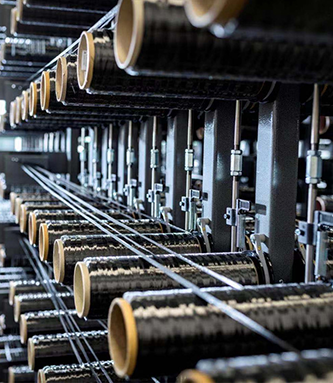
Founded in 2015 and located in Jiujiang, Jiangxi Province, China Beihai is a high-tech enterprise focusing on the research, development, production, and sales of high-performance basalt continuous fiber and its production equipment manufacturing. As a domestic industry pioneer, we run state-of-the-art multi-nozzle platinum-rhodium alloy bushing furnaces that ensure stable filament diameters and consistent mechanical properties across massive production runs.
Our dedicated R&D team focuses on surface sizing chemical optimization, allowing us to customize the basalt fiber surface for optimal compatibility with epoxy, vinyl ester, polyester, and cementitious binders.
Buying basalt rock products and continuous fiber derivatives directly from China-based factories offers significant commercial and technical advantages for global procurement managers and structural engineers.
China holds some of the world's most stable basalt formations with optimal silica-alumina ratios. This natural abundance allows China Beihai to control input material quality at the source, preventing chemical variations in finished fiber runs.
Unlike small-scale modular operations, Chinese manufacturers employ large-scale continuous-melting pool furnaces with precise temperature management system loops. This eliminates sizing degradation and thermal shock variations during drawing phases.
From initial basalt stone smelting to direct weaving, braiding, and rebar pultrusion, our complete industrial supply chain guarantees short lead times, stable wholesale pricing structures, and stringent quality control protocols.
Whether you require alkali-resistant sizing coatings for structural concrete reinforcement or highly flexible silane sizing for automotive heat shields, China Beihai customizes the chemical interfaces of our products. Our basalt roving is wound with custom tension profiles, ensuring easy integration with automated filament winding machinery or high-speed braiding systems.
A natural volcanic solution for high-performance engineering. Our materials solve high-temperature, highly corrosive, and high-load architectural challenges across industries.








A closer look at how Continuous Basalt Fiber (CBF) is transformed into high-performance reinforcement products for international engineering markets.
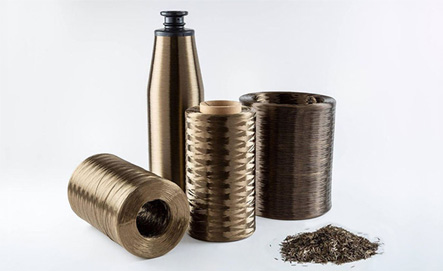
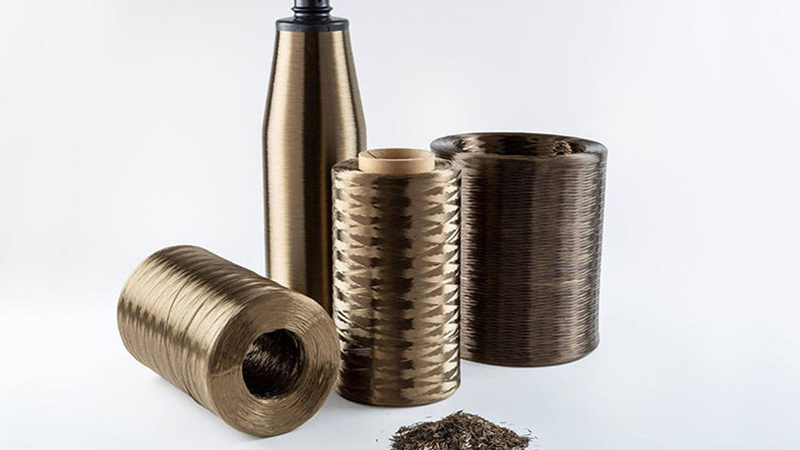
Basalt Fiber Roving is assembled from parallel continuous filaments without twisting, coated with a custom chemical sizing agent. The primary raw material for downstream manufacturing, our roving is optimized for:
This raw material forms the structural foundation of all high-strength basalt fabrics, geogrids, and composite laminates.
As a sustainable alternative to traditional steel bars in structural engineering, basalt rebar provides permanent protection against corrosion. Formulated using continuous basalt roving bound in a matrix of high-performance epoxy resin, it yields dynamic advantages:
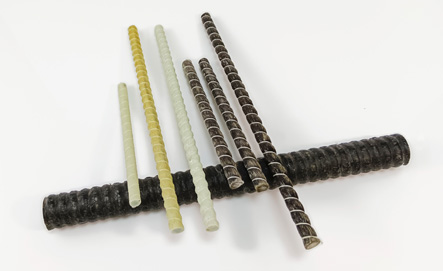
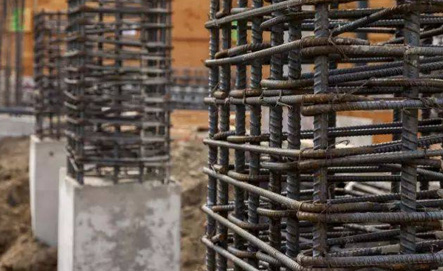
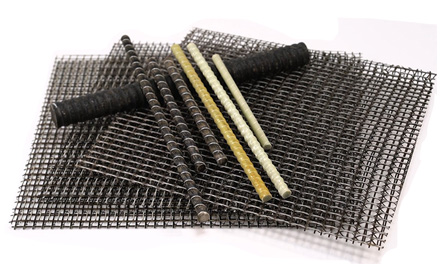
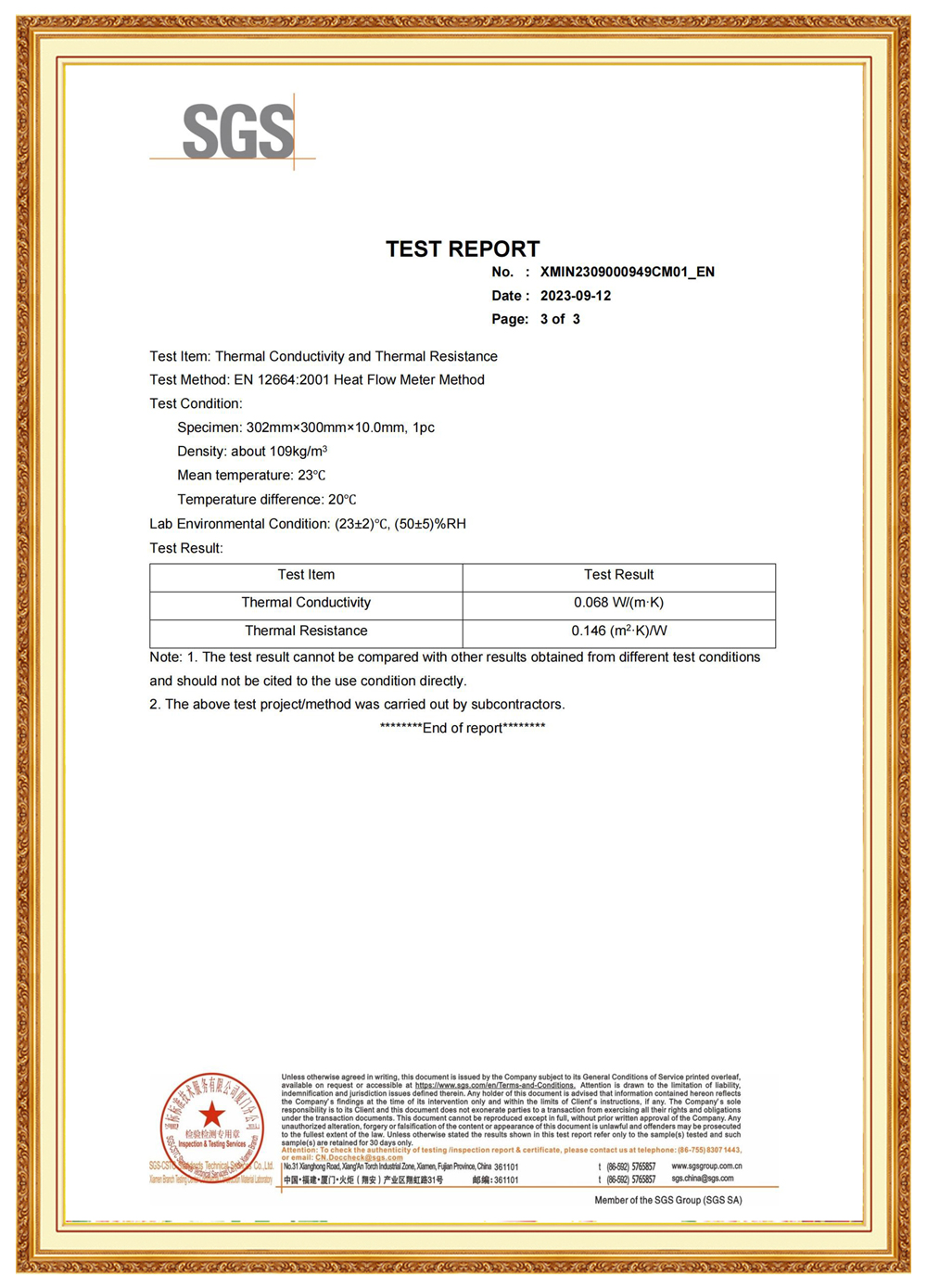
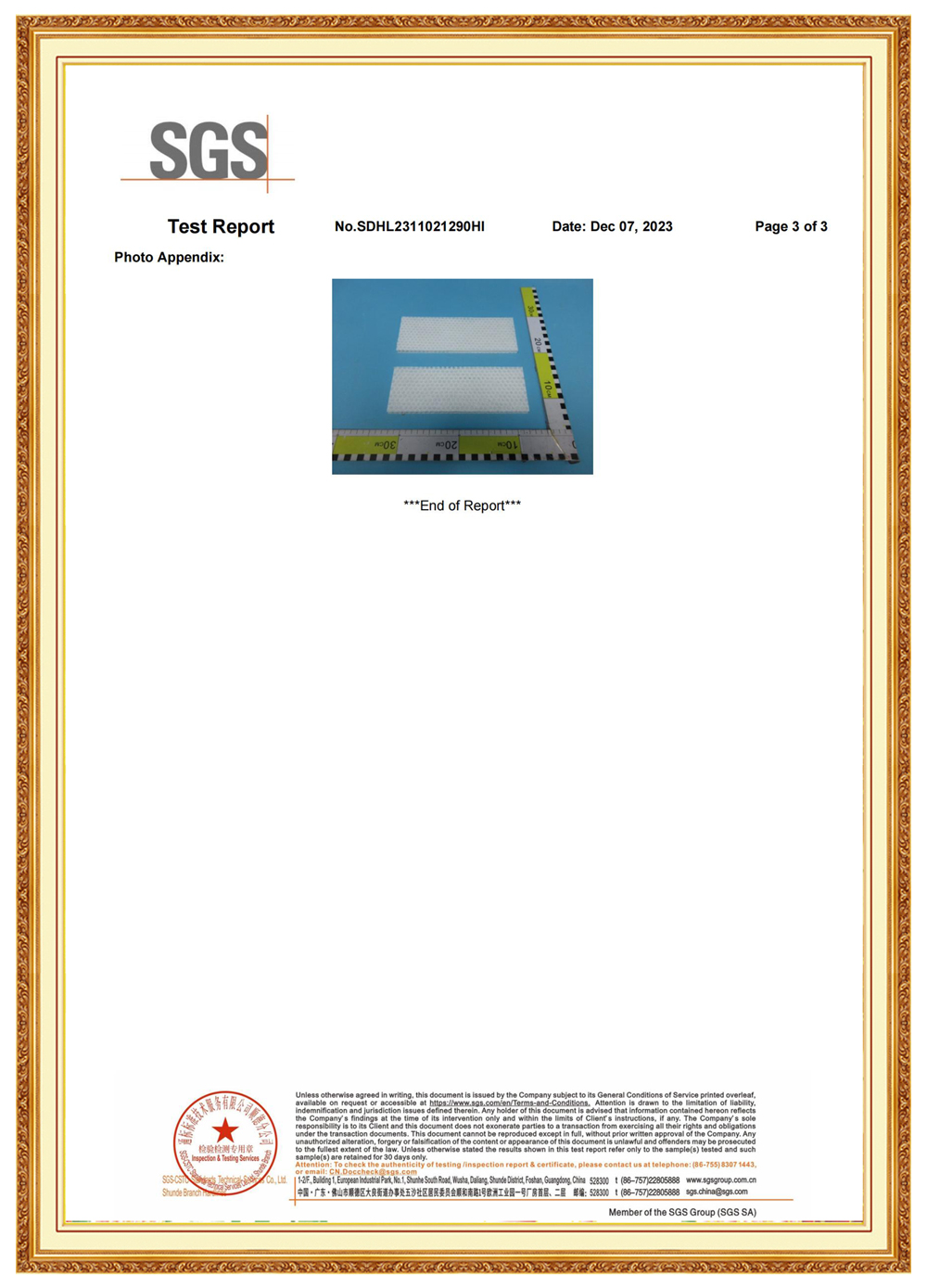
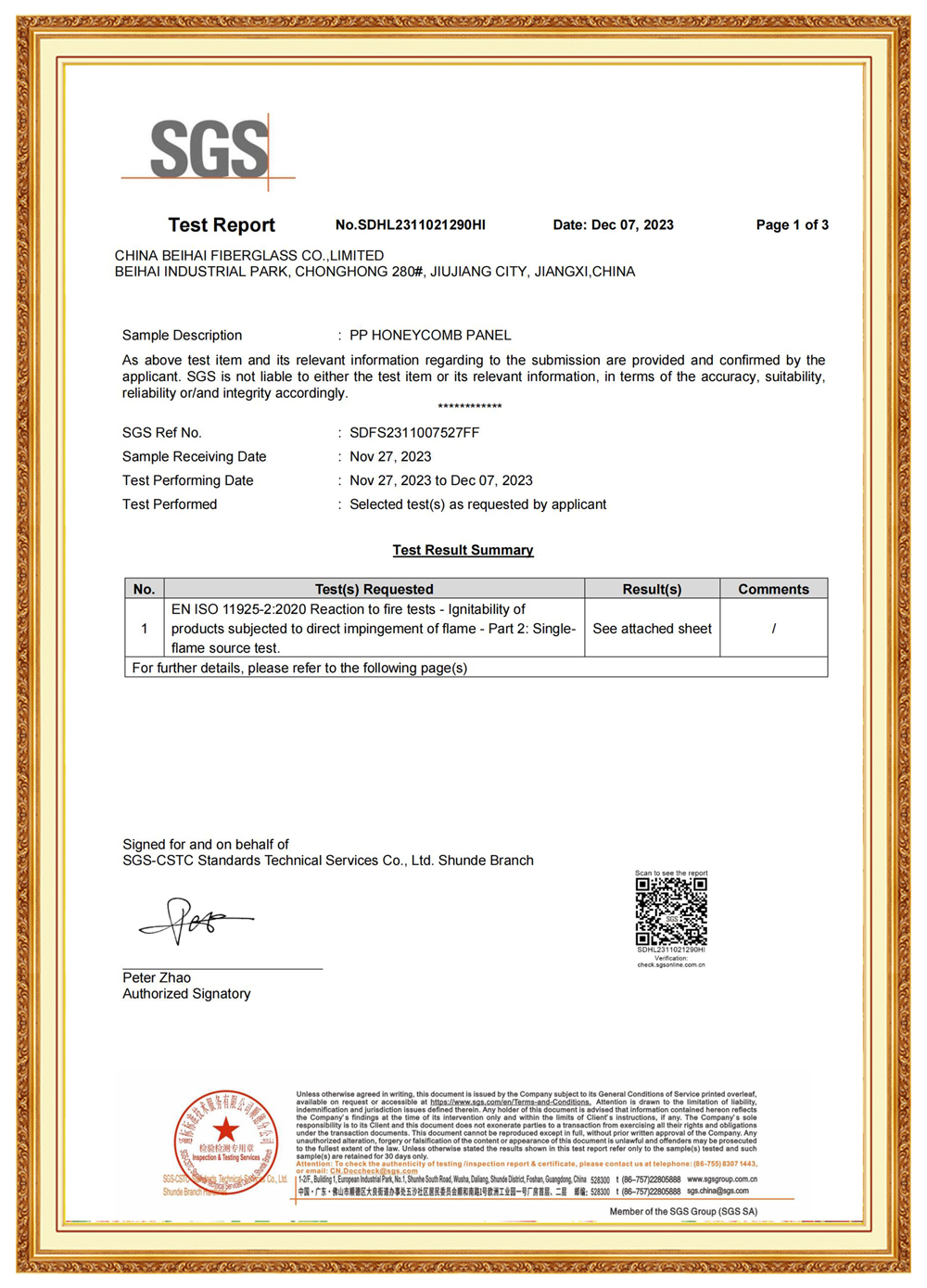
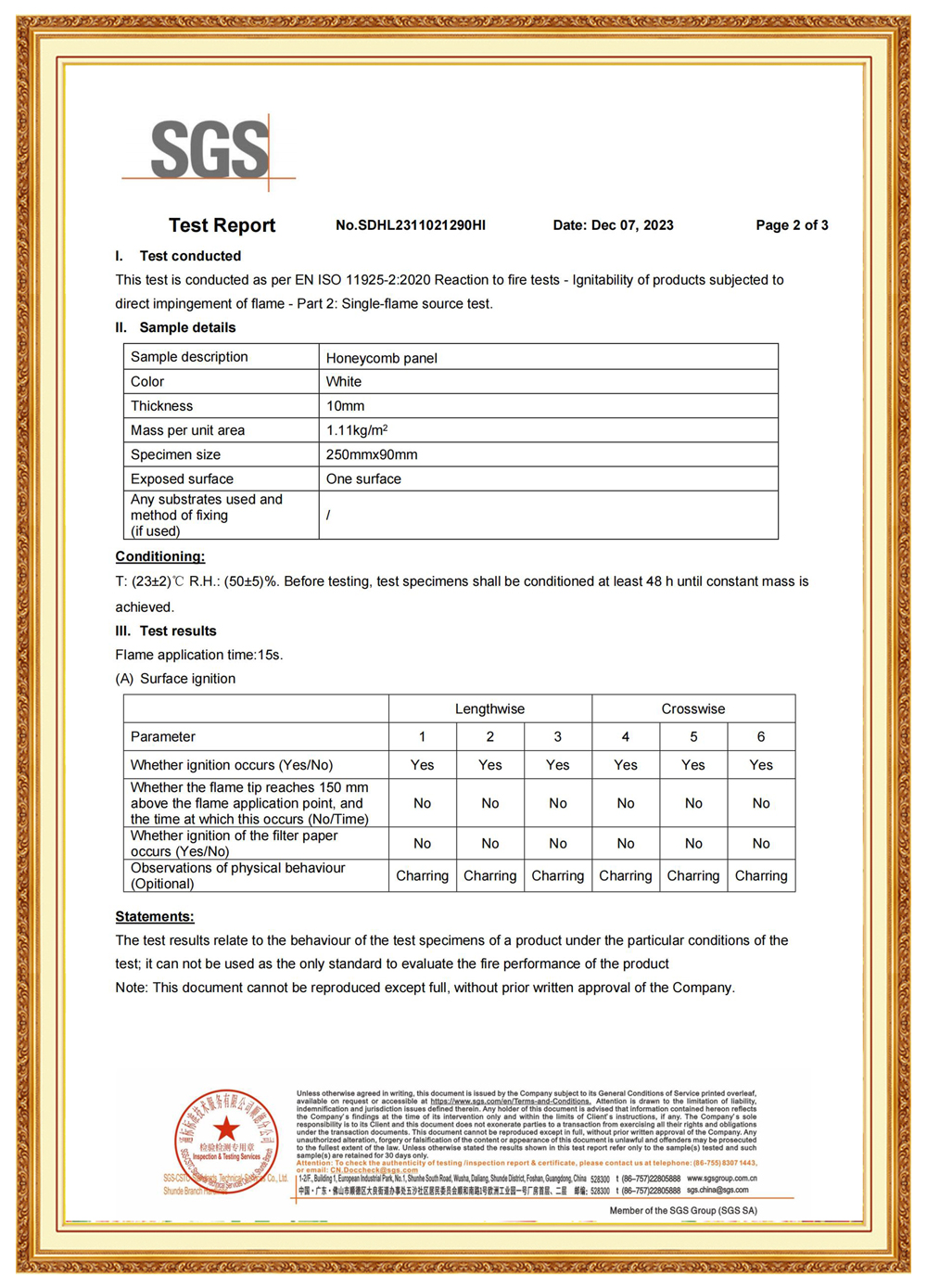
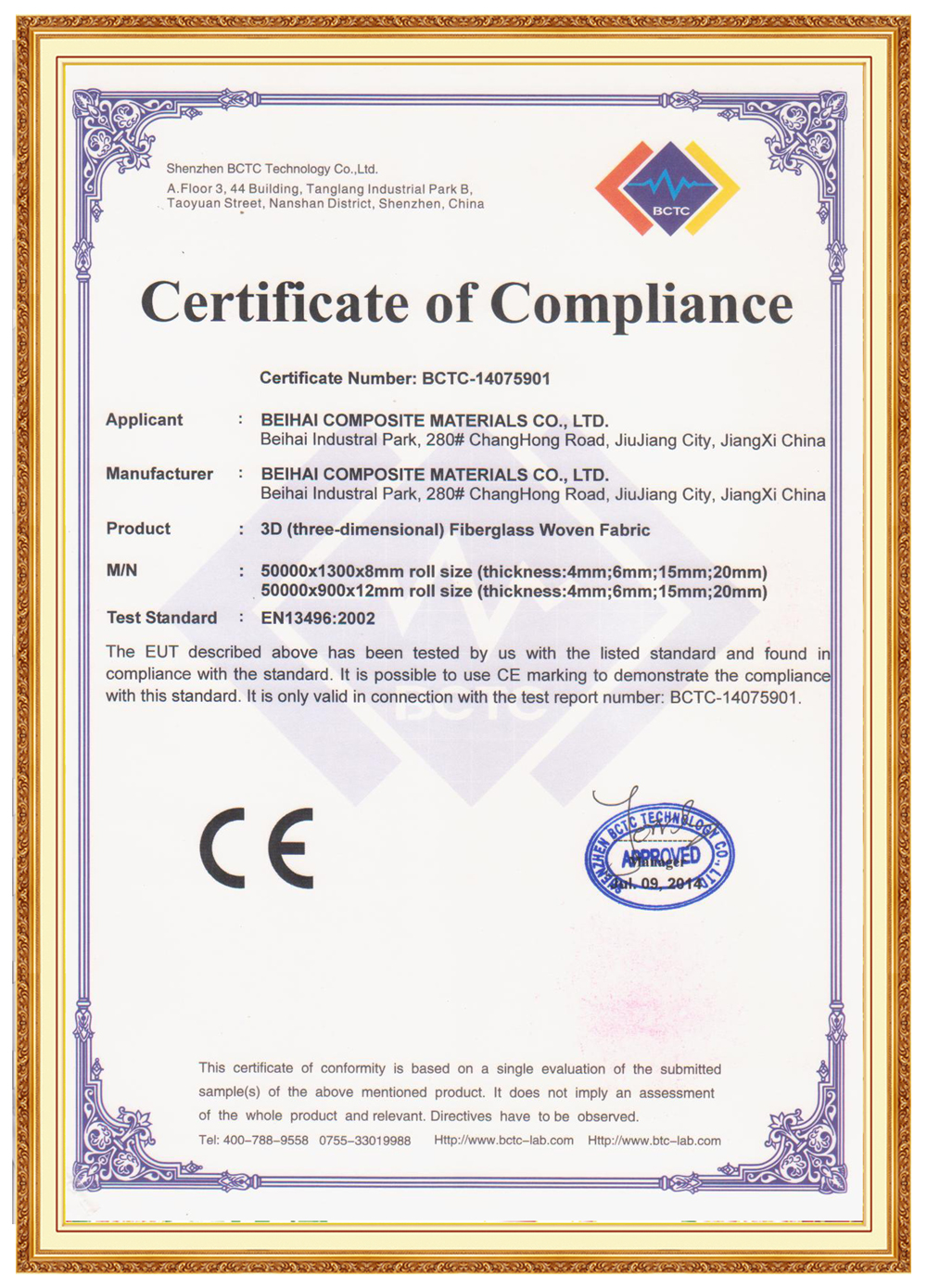
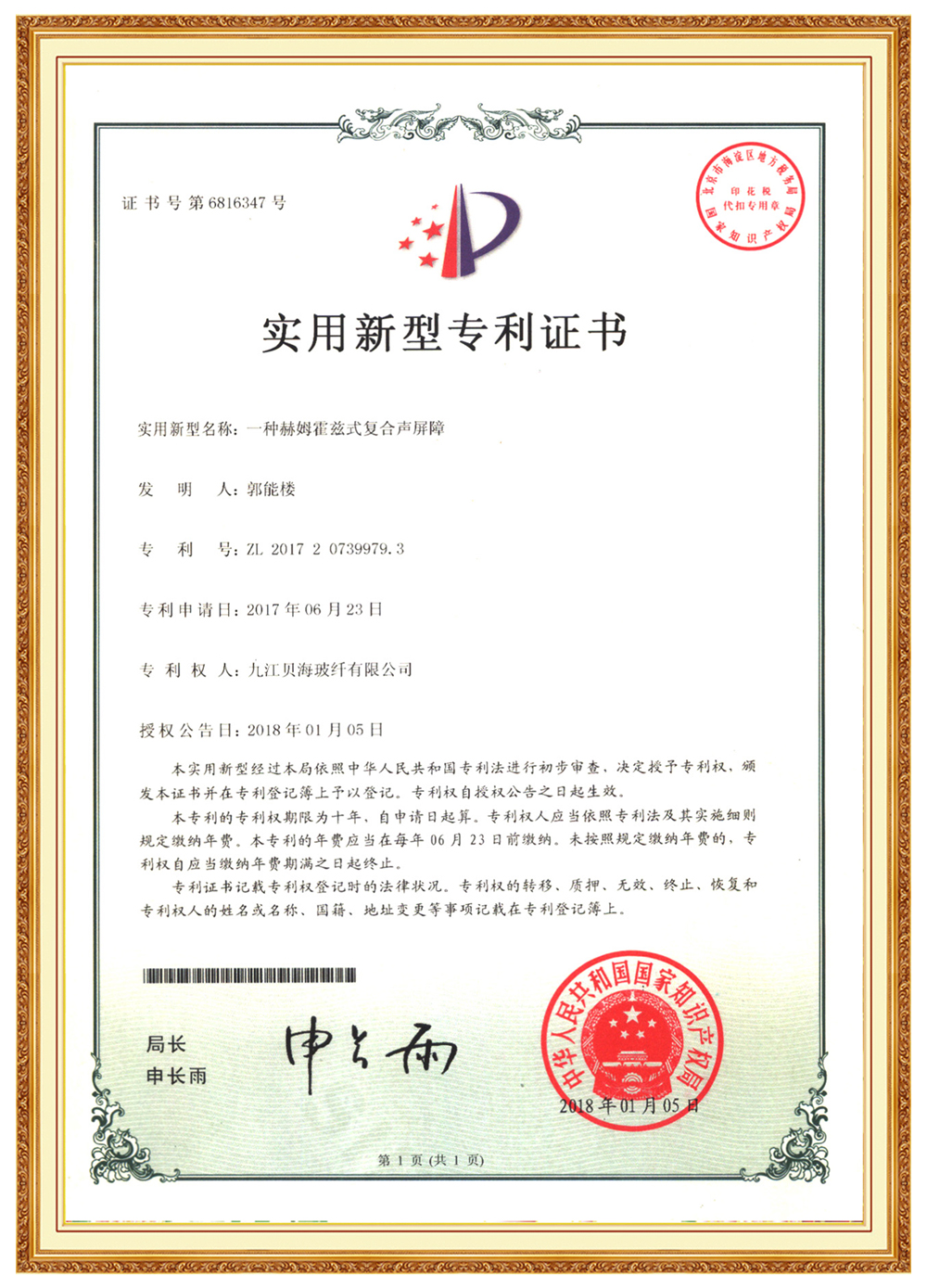
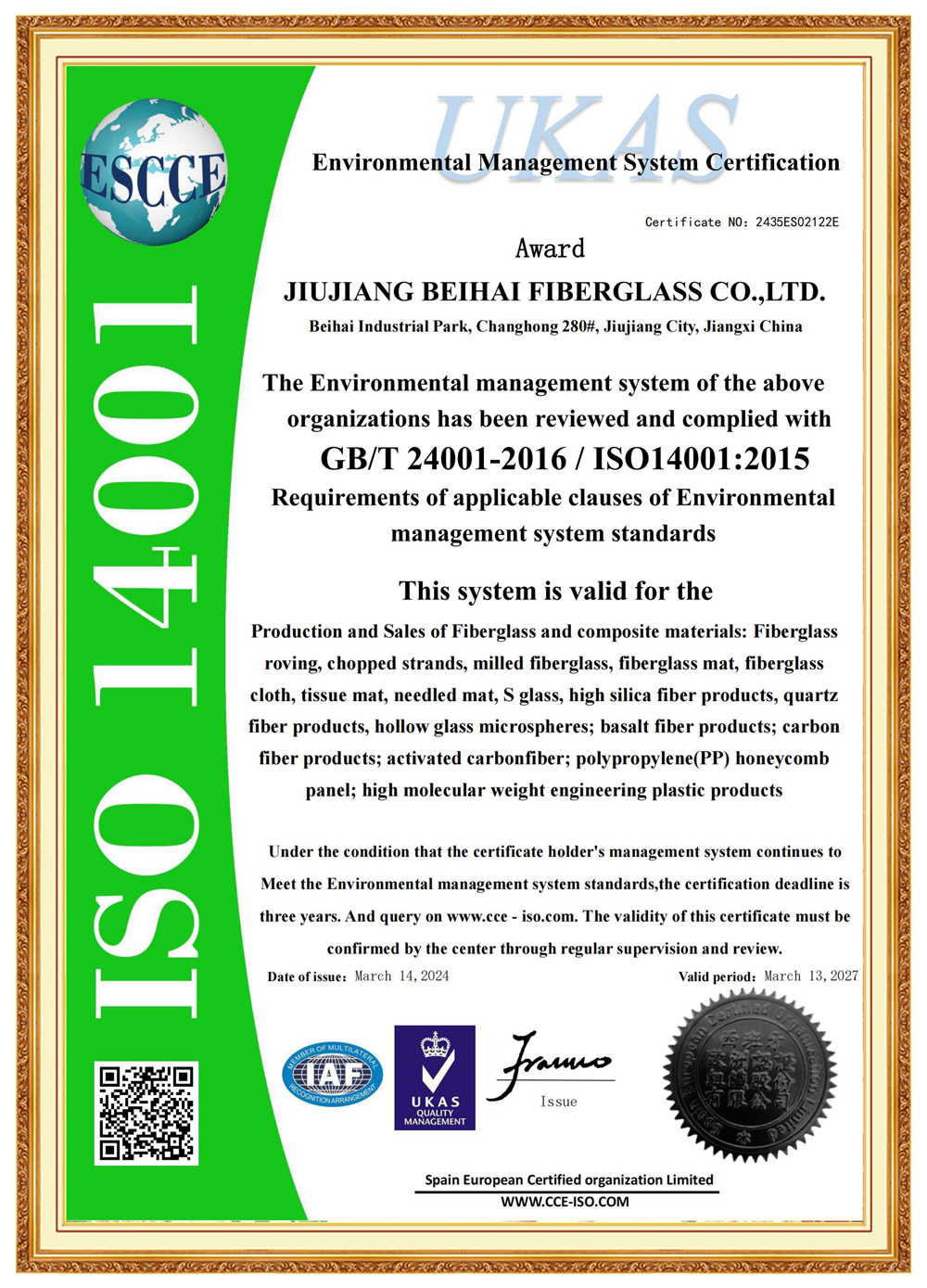
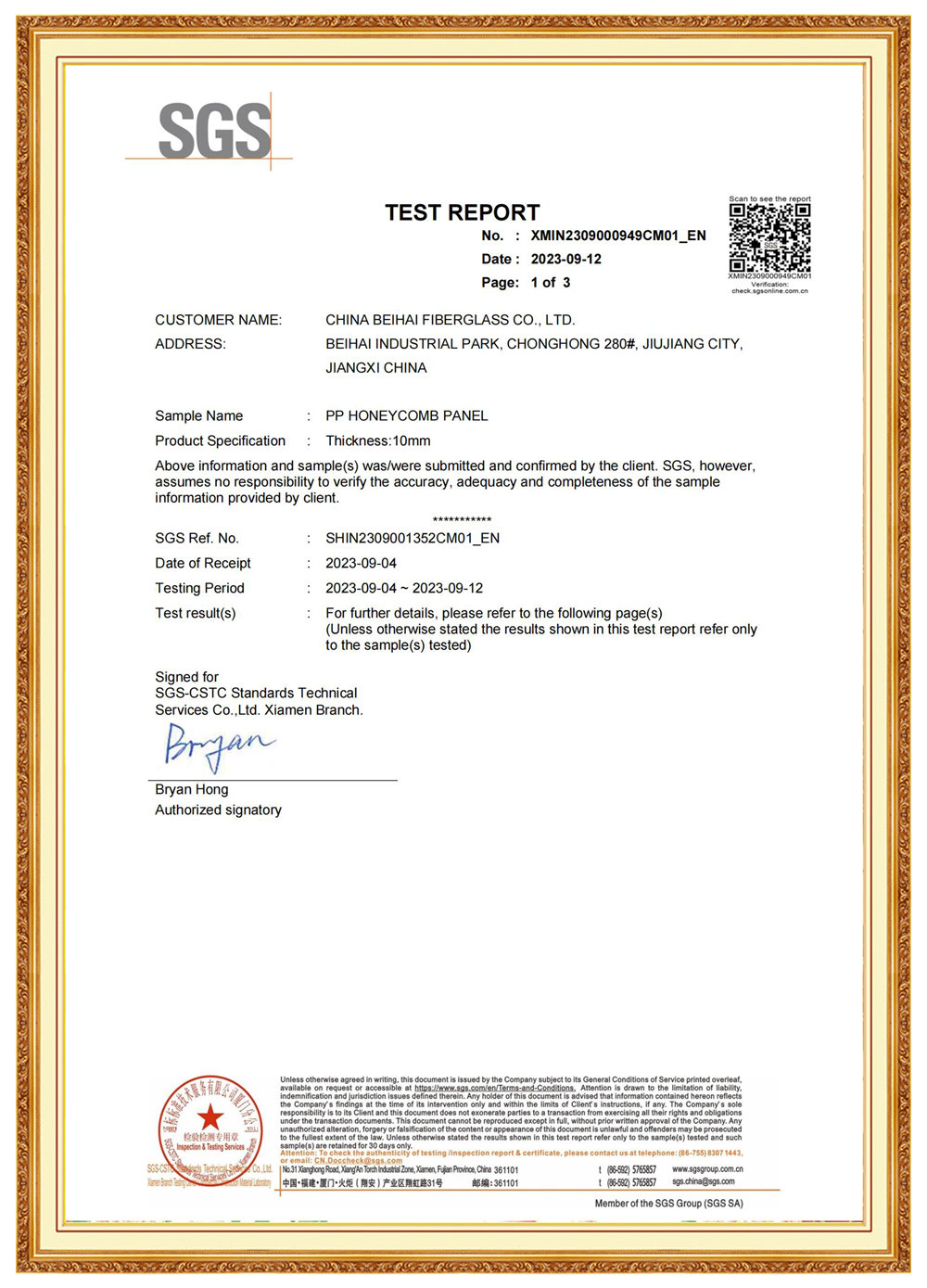
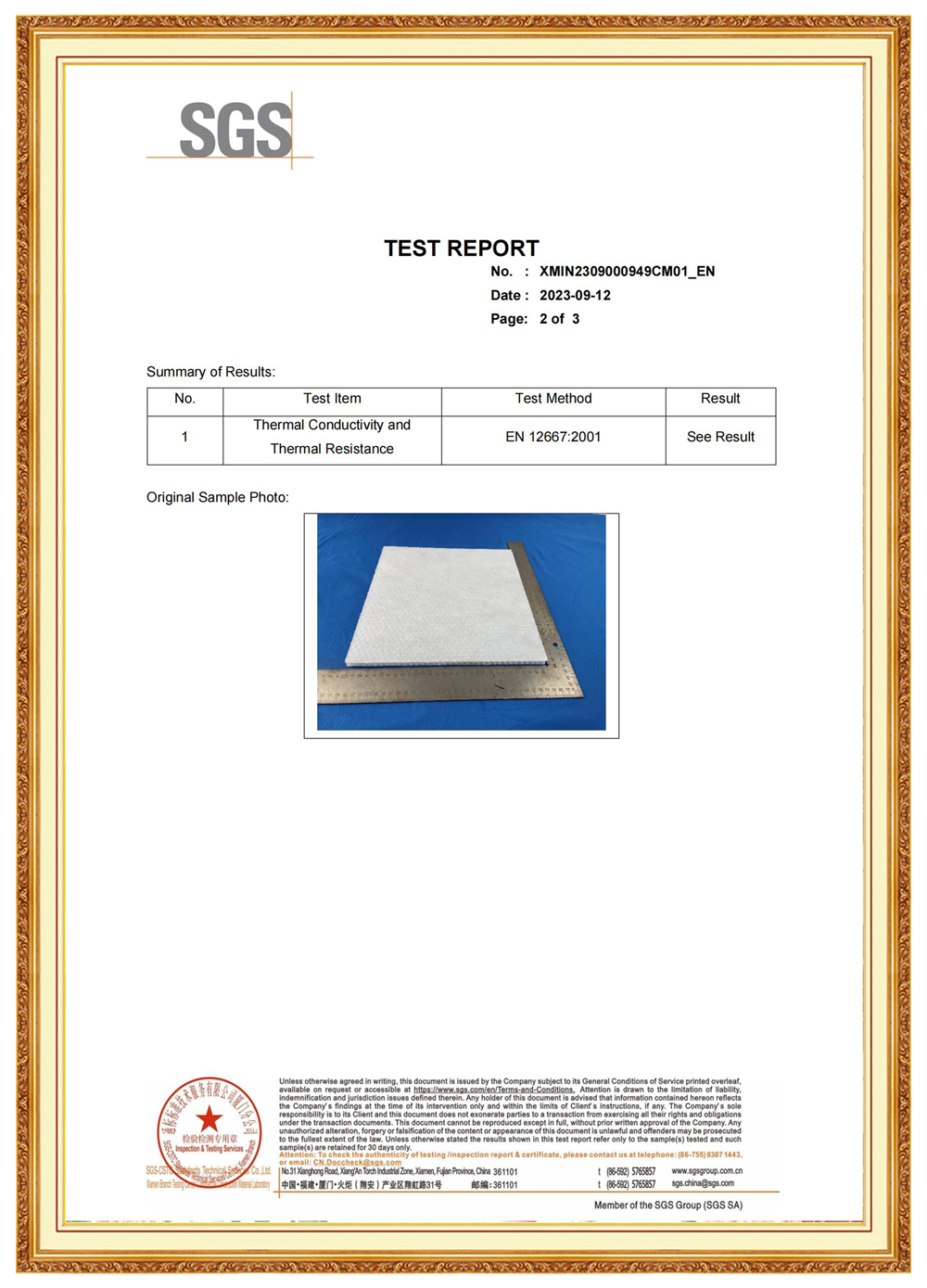
Our basalt fiber products undergo rigorous ASTM, ISO, and CE testing protocols to ensure high performance under demanding construction and defense conditions.

As the construction and industrial manufacturing sectors accelerate carbon neutrality initiatives, the demand for basalt fiber composites is expected to grow dramatically over the next decade. The global market is transitioning toward basalt-reinforced materials for several structural reasons:
Because basalt fiber possesses high dielectric isolation properties, it does not interfere with high-frequency electromagnetic signals. Sourcing basalt composite poles and structural rebars has become standard practice for building green 5G smart city poles, high-speed rail systems, and subsea instrumentation vaults.
Cement manufacturing is a major source of carbon dioxide emissions. By incorporating basalt geogrids and chopped strands into civil concrete designs, engineers can achieve comparable load capacities while reducing the required thickness of concrete elements. This directly lowers concrete material volumes, contributing to carbon mitigation goals.
Unlike glass fibers, which are challenging to recycle, basalt fiber can be remelted and down-cycled at the end of its operational life. Because it consists of natural volcanic rock without synthetic organic complexes, it presents no chemical disposal hazards, aligning with global sustainable circular economy models.
Stay informed with our scientific breakdowns regarding basalt volcanic rock developments, sizing technology advancements, and global distribution logistics.

As drones slice through the sky to monitor wildfires, and intelligent robots execute repetitive tasks with precision on the factory floor, the efficient operation of this smart equipment is often underpinned by a "hardcore support": basalt fiber. High thermal stability combined with low bulk density makes it the ideal candidate for advanced structural shields.
 Read about how basalt rock is shifting aerospace engineering paradigms.
Find authoritative answers regarding basalt composition, pricing factors, logistics, and standard technical specifications.
Basalt rock is a natural volcanic mineral composed of silica (SiO2 ~52%), alumina (Al2O3 ~17%), and iron oxides (FeO and Fe2O3 ~12%), along with calcium, magnesium, and sodium oxides. E-glass, by contrast, is a synthetic glass composed primarily of silica, alumina, and boron oxides. The high concentration of iron and titanium oxides in basalt gives it its characteristic dark bronze-brown color and accounts for its superior UV resistance, higher thermal operating limits, and improved chemical stability in highly acidic and alkaline environments.
Unlike steel, basalt fiber rebar is completely non-corrosive and does not degrade in the presence of chloride ions (saltwater). This prevents concrete spalling and rust staining. Furthermore, because basalt rebar does not conduct heat or electricity, it is immune to electrochemical decay. At a quarter of the weight of steel, it significantly reduces transport and installation labor costs for offshore platforms, sea walls, and harbor retaining structures.
We source our raw basalt rock from highly verified volcanic deposits with stable chemical signatures. In our factory, the rock is crushed, washed, and melted using computer-controlled multi-nozzle pool furnaces. The melting process is monitored via real-time viscosity and temperature feedback loops, ensuring that the continuous filaments maintain precise diameters (ranging from 9µm to 22µm) and consistent mechanical properties across massive production runs.
Yes, custom sizing chemistry is a core specialization of China Beihai. We formulate specialized silane-based sizing coatings to optimize chemical bonding with epoxy, vinyl ester, polyester, and phenolic resins. Additionally, we provide specialized sizing designed for high compatibility with alkaline cementitious matrices, preventing degradation when fibers are dispersed directly in concrete.
Continuous basalt fiber operates reliably at temperatures ranging from -260°C to +750°C. In contrast, while standard carbon fiber composites can withstand high temperatures in inert atmospheres, they oxidize and degrade rapidly in air above 350°C unless protected by expensive specialty coatings. This makes basalt fiber the most cost-effective solution for structural fireproofing, exhaust systems, and high-temperature thermal seals.
You can contact our sales department through any of our product pages. Please specify the desired fiber diameter (dtex), sizing coating type, weave pattern, and projected monthly or annual volumes. We offer standardized sample kits of roving, chopped strands, and fabrics for testing. Custom production runs are subject to standard MOQ requirements based on product type.
Explore our structural reinforcement systems, geogrids, chopped concrete additives, and thermal felt boards optimized for infrastructure, aerospace, and high-heat processing.
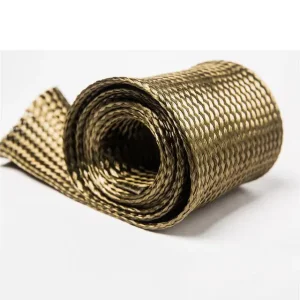
Flexible braided protection sleeve for thermal insulation of engine ducts, exhaust pipes, and industrial high-temperature wiring systems.
Find Suppliers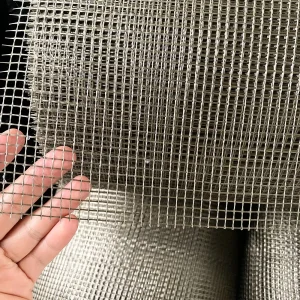
High-tensile alkali-resistant mesh for structural concrete reinforcing, stucco wall stabilization, and seismic plaster applications.
Get Prices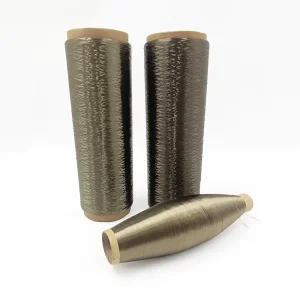
Engineered basalt yarn twisted for industrial weaving and heavy-duty, high-temperature structural stitching.
Get Factories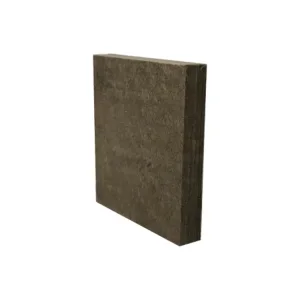
Rigid continuous basalt fiber boards designed for structural thermal insulation barriers and industrial insulation protection panels.
Get Quotations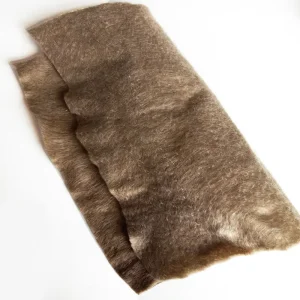
Mechanically bonded basalt fiber needled felt offering high thermal insulation and acoustic noise reduction.
Get Pricelist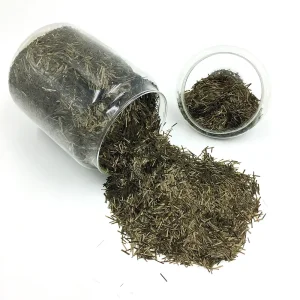
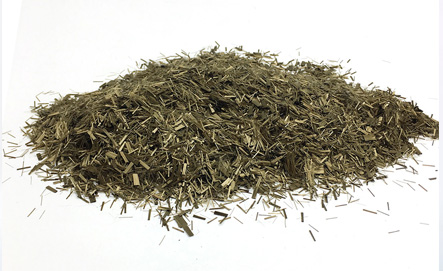
High-tensile continuous basalt strands chopped for micro-crack mitigation in heavy industrial concrete pavement slabs.
Wholesale RFQ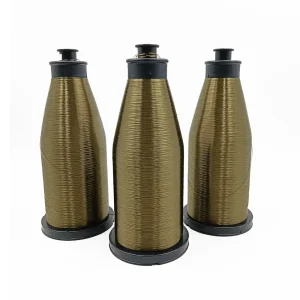
Continuous basalt fiber filaments twisted for automated weaving looms and high-tension sewing systems.
Order Samples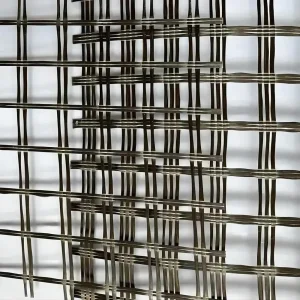
Industrial geogrid mesh engineered for asphalt road reinforcement, reducing maintenance costs and pavement fatigue cracking.
Request Quote Beihai Fiberglass