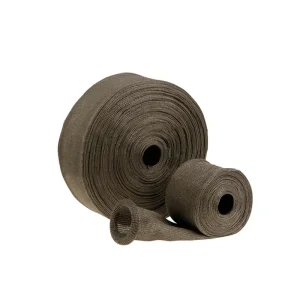
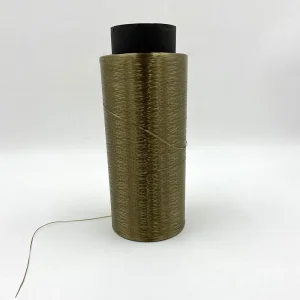
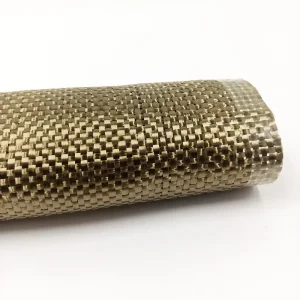
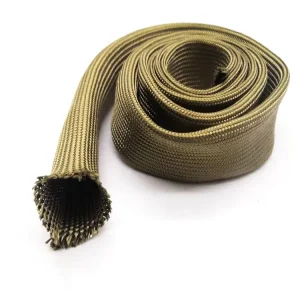
Explore our highly integrated core product portfolio engineered from premium-grade continuous basalt fiber, manufactured directly at our high-tech Chinese industrial plant.
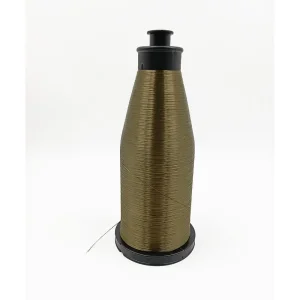
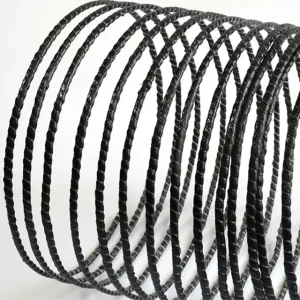
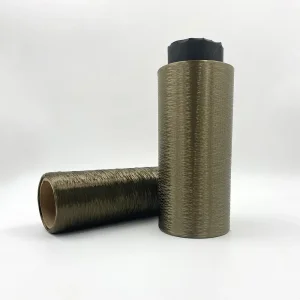
Deep-dive into high-temperature, corrosion-resistant basalt insulation sleeving configurations for complex heavy environments.
In modern global manufacturing, high-temperature operations, heavy friction, and chemically aggressive environments demand insulation materials that go beyond standard fiberglass. Basalt fiber protection sleeves are built to meet these rigorous industrial needs. Extruded directly from pure, unadulterated volcanic rock at extreme melting temperatures exceeding 1450°C, continuous basalt fiber (CBF) offers excellent heat management, structural durability, and chemical resistance.
Unlike synthetic or petroleum-derived protective products, basalt fiber is naturally non-combustible, chemically stable under highly acidic or alkaline conditions, and has high tensile strength. It serves as an essential thermal and electrical barrier for extreme industrial environments, protecting crucial equipment and structural lines from degradation.
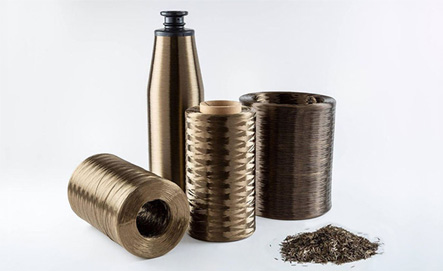
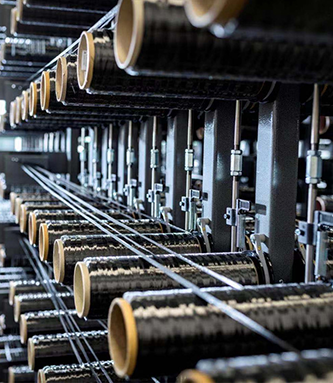
Founded in 2015 and strategically situated in the premier industrial core of Jiujiang, Jiangxi Province, China Beihai has risen to become a globally recognized high-tech pioneer. We specialize in the end-to-end research, engineering, and manufacturing of high-performance continuous basalt fiber products and specialized drawing equipment. As an industry leader in continuous basalt fiber production, our integrated facilities combine raw volcanic melting processes with advanced braiding technologies to deliver exceptional product quality at a global scale.
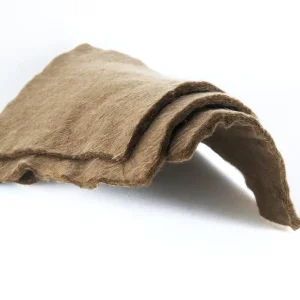
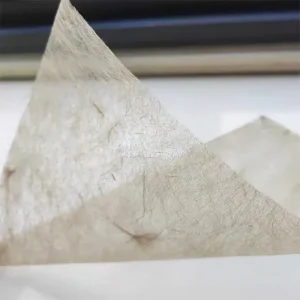
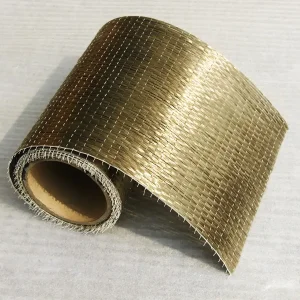
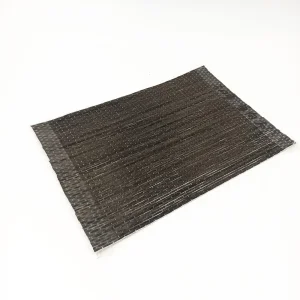
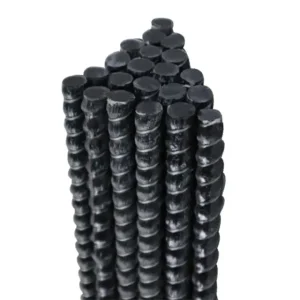
Our state-of-the-art facilities produce high-purity basalt fiber mats, chopped strand elements, structural rebar, high-temperature protection sleeves, and engineering wrapping tapes. By maintaining control over the entire supply chain—from raw mineral sourcing to precision fiber drawing and sleeve manufacturing—we ensure our products deliver reliable performance for industrial operations worldwide.
While standard fiberglass sleeves break down at continuous temperatures above 500°C and silica-rich compounds are prone to cracking under vibration, continuous basalt fiber sleeves maintain structural flexibility and strength from -260°C up to 650°C. Additionally, basalt fibers are highly resistant to moisture absorption and chemicals, preventing the localized corrosion (CUI) that often occurs under insulation wraps in petrochemical plants.
Combining advanced materials science with efficient, large-scale production facilities to deliver high-quality industrial solutions.
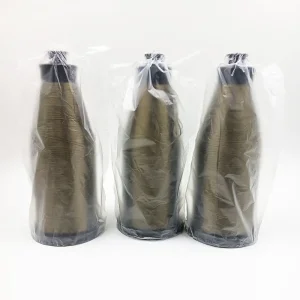
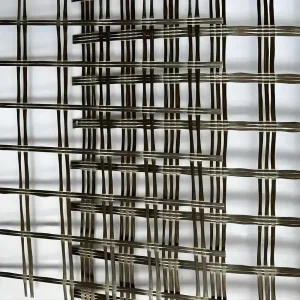
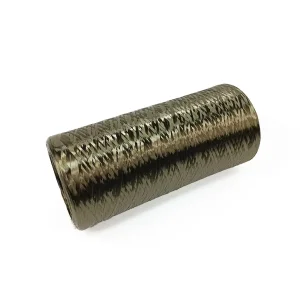
China Beihai provides a comprehensive catalog of high-performance basalt fiber solutions, including needle mats, continuous rovings, twisted yarns, reinforcement grids, structural rebars, and custom-braided high-temperature protection sleeves.
We leverage advanced composite processing, high-volume fiber braiding, and proprietary chemical sizing techniques to develop tailored engineering materials. Our basalt products provide long-term durability and structural protection across demanding industrial applications.
As a vertically integrated manufacturer, we maintain control over raw materials and processing to ensure consistent quality. Our advanced production facilities in Jiangxi allow us to deliver cost-effective, high-volume production for international markets.
An in-depth evaluation of continuous mineral fiber braiding technology, physical property matrices, and global supply chain integration.
The global industrial sector is undergoing a major transition toward materials that offer both high efficiency and long-term sustainability. Traditional thermal protection and chemical insulation systems have relied heavily on asbestos, synthetic polymers, or E-glass fiber formulations. However, extreme operating environments, environmental regulations, and safety standards have exposed the limitations of these materials, such as rapid wear, toxic emissions during thermal breakdown, and chemical decay.
In response, continuous basalt fiber (CBF) protection sleeves have become a key standard across demanding industries. This mineral-based material is manufactured through the high-temperature melting of pure volcanic rock, with no chemical additives or structural modifiers. The resulting raw fibers are braided into highly flexible, thermal-barrier sleeves. This technology is increasingly used in heavy industry, including global automotive manufacturing, deep-sea petrochemical pipelines, military aerospace engineering, civil infrastructure, and advanced metallurgy.
Chinese manufacturing has evolved from general component assembly to advanced materials engineering. Companies like China Beihai lead this transition by integrating automated continuous-melting technologies with advanced precision braiding operations.
Our facility in Jiujiang, Jiangxi Province, provides several distinct strategic advantages:
Our continuous basalt fiber sleeves demonstrate exceptional resistance to aggressive chemicals, retaining up to 82% of their structural strength after 3 hours of continuous exposure to a 2N hydrochloric acid (HCl) solution, and over 86% of their strength when exposed to a 2N sodium hydroxide (NaOH) alkaline solution. This chemical stability makes them highly effective for protective sleeving in chemical processing and harsh environmental conditions.
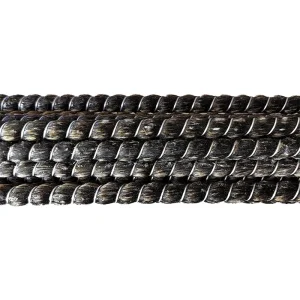
A key advantage of China Beihai's production is our ability to customize basalt protection sleeves for specific engineering applications. Standard sleeves are braided using continuous basalt yarns in a diagonal, overlapping layout, which provides excellent radial expansion and contraction. This allow the sleeves to easily fit over irregular fittings, complex elbows, and heavy-duty connectors.
Our customization options include:
How global engineers utilize basalt fiber systems to secure systems, increase durability, and minimize thermal transfer.
Used to protect structural elements, concrete rebars, and internal utilities from fire, seismic stress, and harsh atmospheric corrosion.
Provides lightweight fire barriers, exhaust duct insulation, and protective shielding for critical wing and fuselage wire harnesses.
Used in high-temperature rocket motor components, exhaust manifolds, and thermal protection systems (TPS) for extreme reentry conditions.
Basalt mesh and structural rebar additives increase load capacity, eliminate micro-cracking, and resist structural alkali attack.
Protects exhaust pipes, turbocharger components, underbody wiring, and EV battery systems from high temperatures and mechanical wear.
Protects support pylons and high-traffic concrete structures from vehicle collisions, intense thermal exposure, and structural degradation.
Provides corrosion-resistant wrapping and chemical-resistant insulation barriers for high-pressure oil and gas transfer piping.
Resists salt-spray exposure and constant high moisture, making it ideal for offshore platforms, ship building, and subsea pipelines.
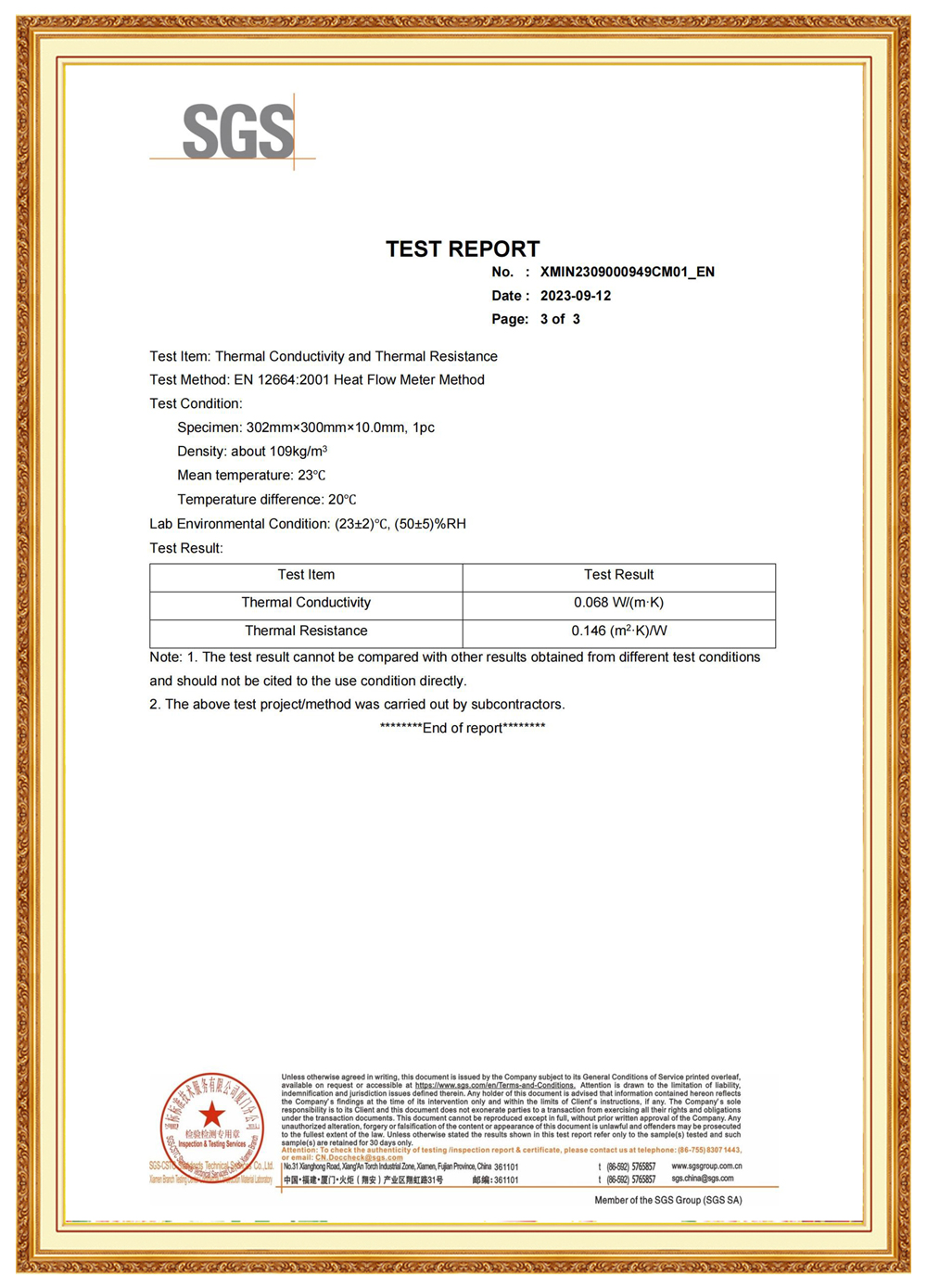
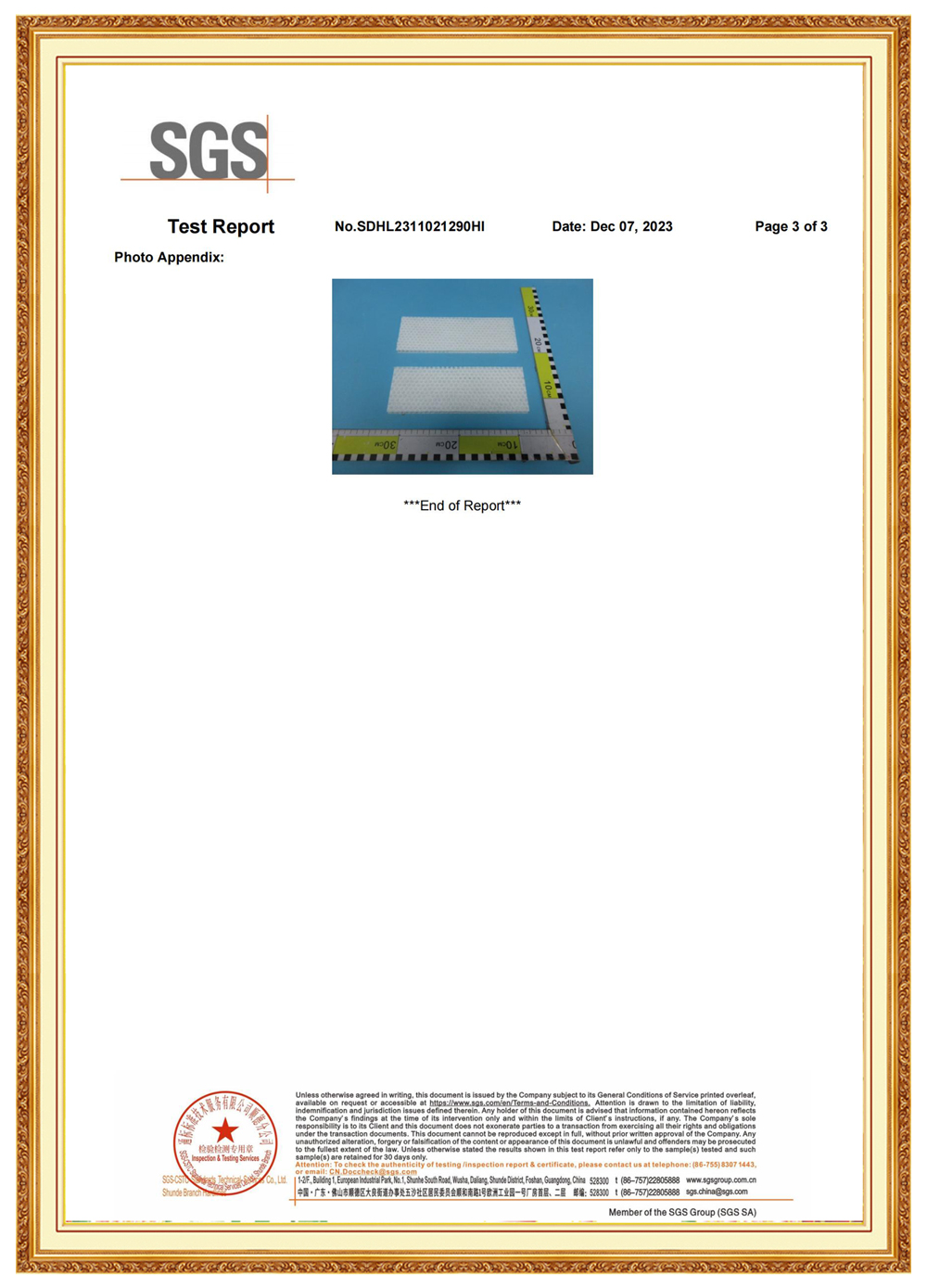
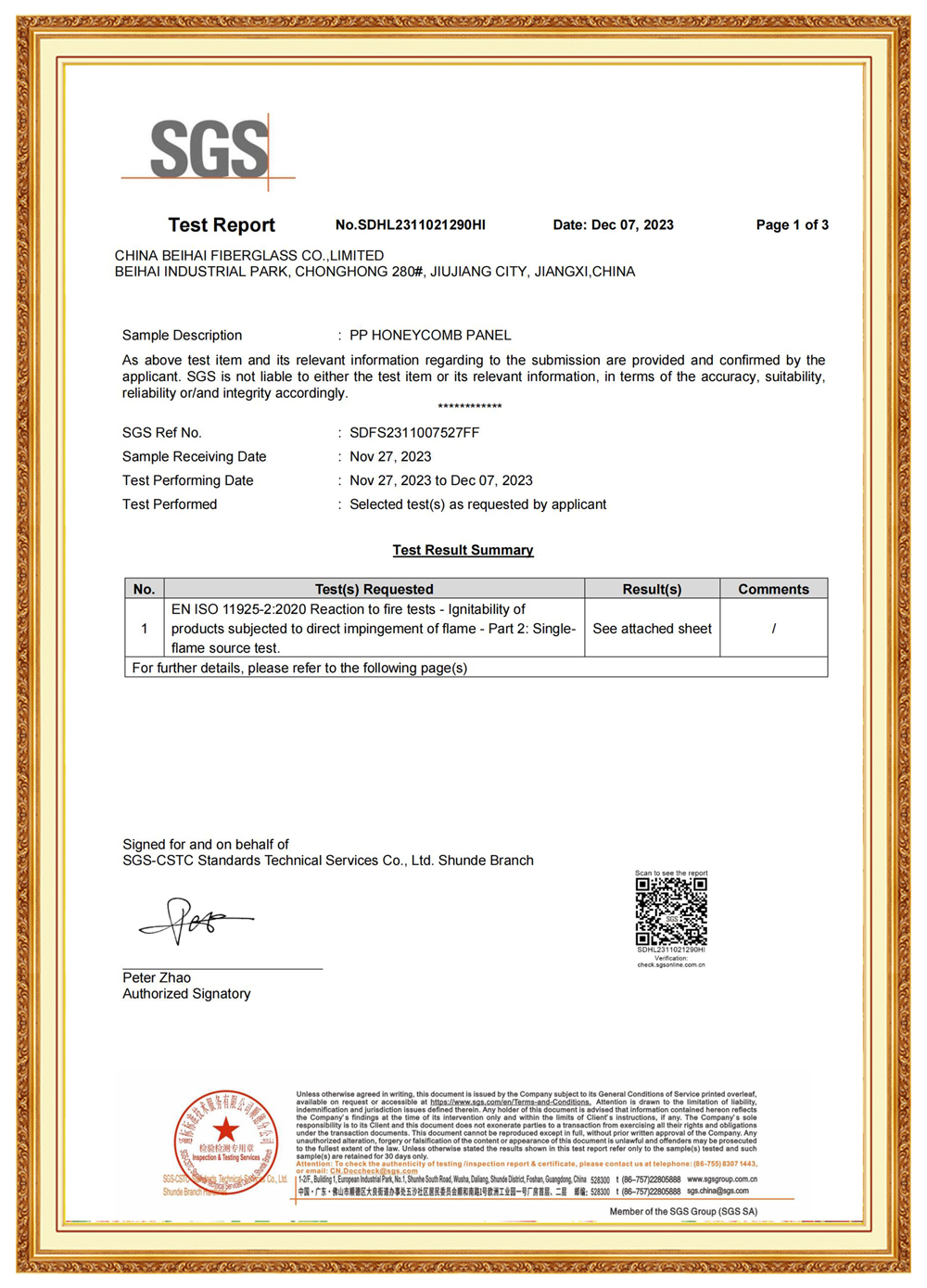
Our manufacturing processes are fully certified to meet demanding international quality, environmental, and performance standards.
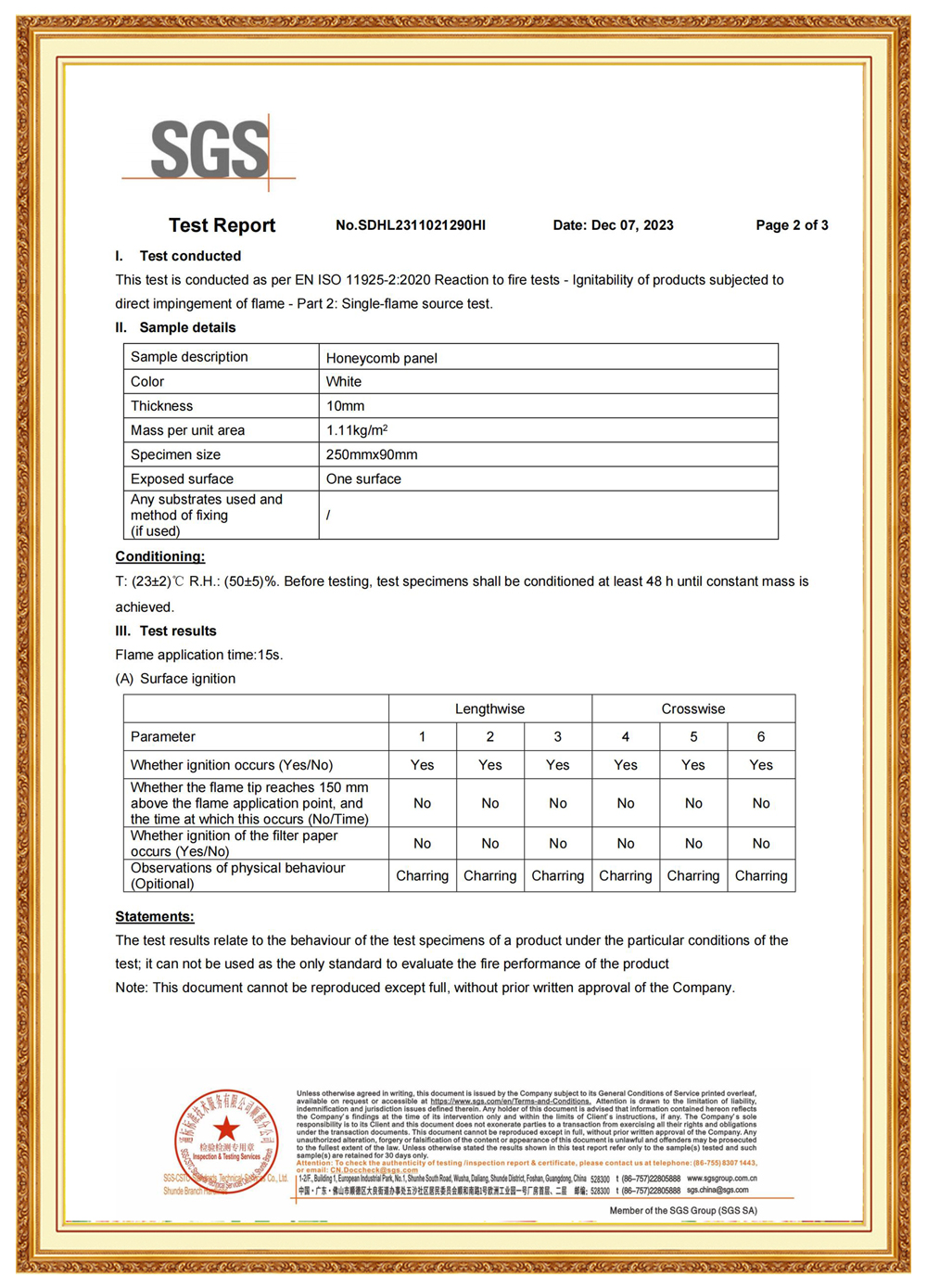
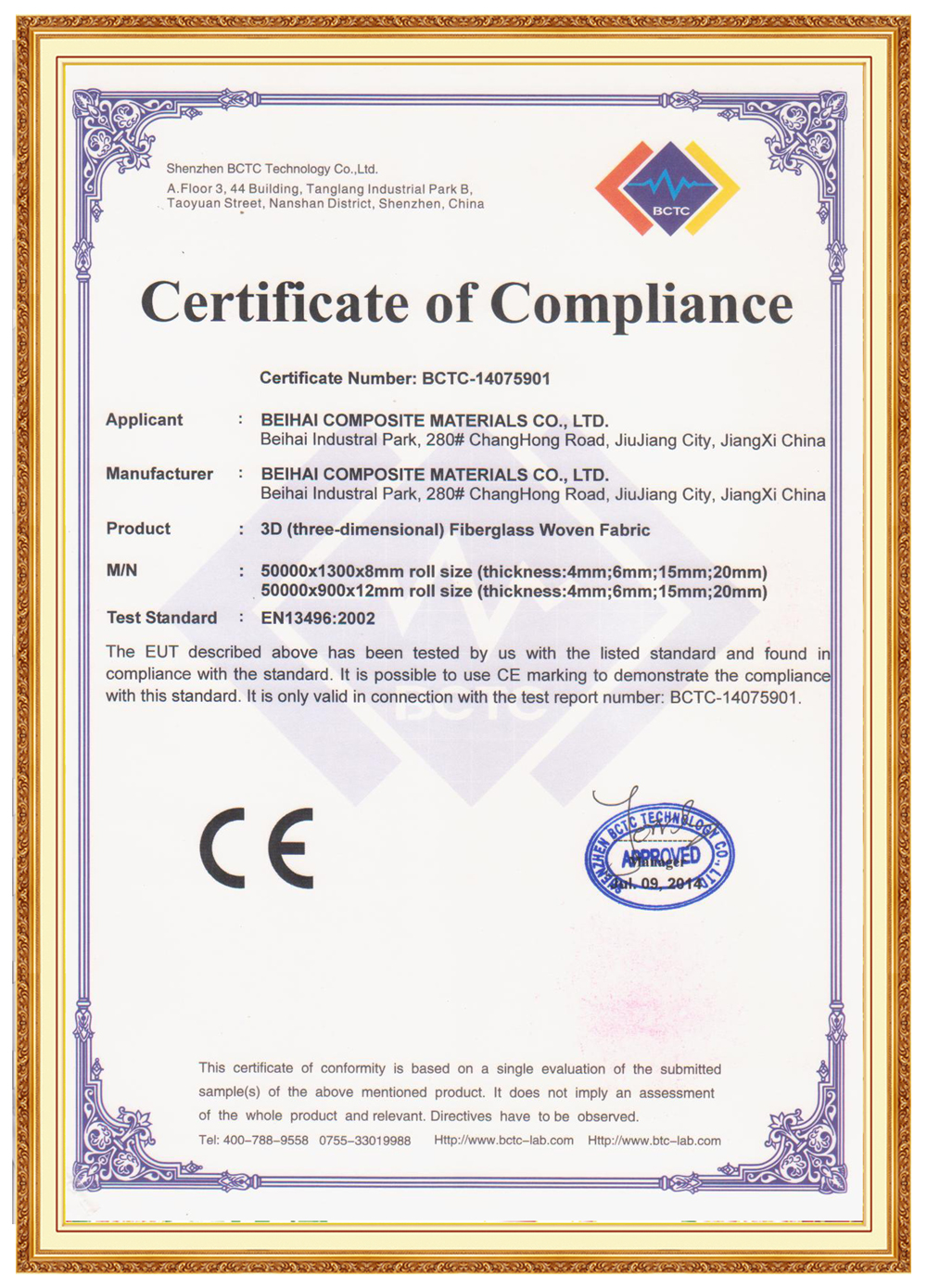

As advanced unmanned aerial vehicles (UAVs) monitor high-risk zones and automated assembly systems operate with high precision on factory floors, the reliable performance of these technologies depends on robust physical component protection.
Our research and development team at China Beihai continues to optimize and refine continuous basalt fiber (CBF) sleeving systems. These protective solutions are engineered to shield internal control lines, hydraulic mechanisms, and high-frequency communication lines from thermal energy, intense vibration, and chemical exposure, ensuring stable operations in demanding environments.
Comprehensive technical answers addressing the key design, application, and procurement questions of global engineering departments.
Explore our complete range of basalt fiber products, designed to deliver high-temperature insulation, structural reinforcement, and chemical protection.
 Beihai Fiberglass