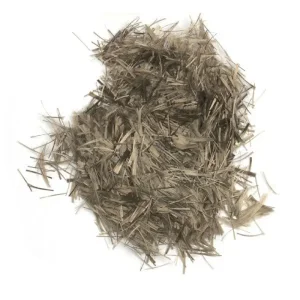
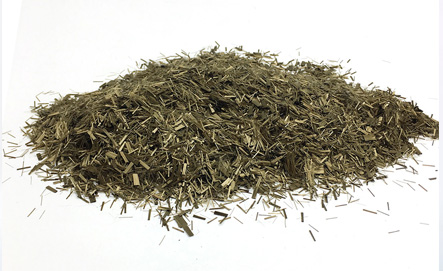
Wholesale Basalt Fiber Chopped Strands For Mat Products. Ideal for reinforced plastics and thermal management matrices.
Get Quote & Specs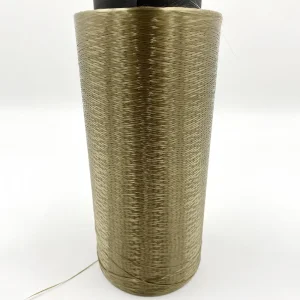
China High Quality Corrosion Resistant Basalt Fiber Roving. Exceptional acid-alkali barrier for demanding chemical containment.
Get Quote & Specs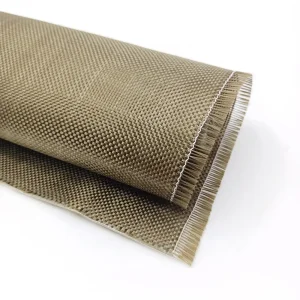
China High Performance Basalt Fiber Fireproof Fabric. Engineered for extreme fire containment and structural insulation shields.
Get Quote & Specs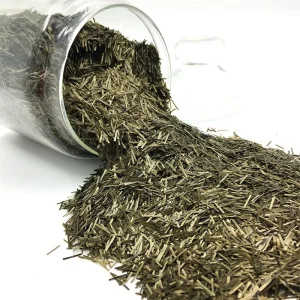
Custom Basalt Fiber Chopped Strands for Bulk Molding Compound (BMC). Excellent compatibility with matrix resins.
Get Quote & Specs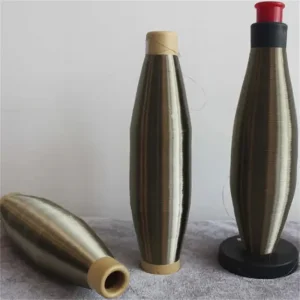
Wholesale Basalt Fiber Yarn for reinforcement and insulation purposes. Delivers high mechanical strength and thermal stability.
Get Quote & Specs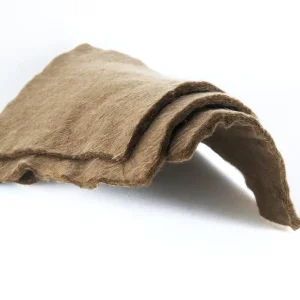
Wholesale Fireproof Basalt Fiber Needled Felt. Mechanically bonded with zero chemical binding agents to preserve ecological standards.
Get Quote & Specs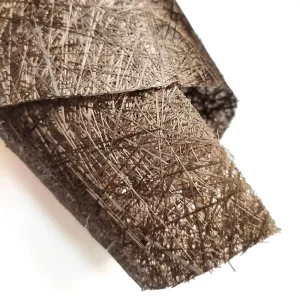
Wholesale Corrosion-resistant Basalt Fiber Chopped Strand Mat. Ideal for high-pressure chemical piping and laminates.
Get Quote & Specs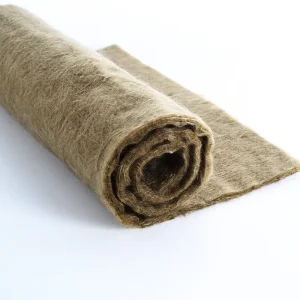
China High Temperature Resistant Basalt Fiber Needled Mat. Ultimate thermal protection for exhaust systems and industrial ovens.
Get Quote & SpecsContinuous Basalt Fiber (CBF) is rapidly transitions from a specialty niche composite to a cornerstone material in modern green engineering and Industry 4.0 infrastructure projects. As global industries seek alternatives to traditional glass fiber (which lacks sufficient chemical resistance) and carbon fiber (which remains cost-prohibitive for large-scale structural integration), basalt fiber occupies the optimal "sweet spot." It offers high tensile strength (ranging from 3000 to 4800 MPa), exceptional thermal stability (-260°C to +820°C), and native immunity to alkaline and acidic erosion without requiring expensive polymer coatings.
In 2025, the demand for CBF is driven primarily by national infrastructure initiatives, environmental mandates, and industrial modernization. The transition toward circular economy targets has forced civil engineering departments to evaluate the lifecycle impact of their structural components. Basalt fiber is manufactured from raw basalt rock through a single-constituent melting process that requires no hazardous chemical additives. This yields a carbon footprint that is up to 80% lower than carbon fiber and significantly cleaner than glass fiber production. Consequently, multi-national engineering firms are standardizing on basalt reinforcements for projects where long-term durability and carbon-offset accounting are crucial metrics.
Unlike glass fiber, which relies on a complex mixture of silica sand, kaolin, limestone, and colemanite, continuous basalt fiber utilizes exclusively raw volcanic rock. The quality and structural limits of the resulting fiber are determined directly by the geochemical profile of the basalt quarry. Specifically, the ratio of silicon dioxide (SiO₂) and aluminum oxide (Al₂O₃) dictates the ultimate tensile capability, while iron oxide content (FeO and Fe₂O₃) determines the thermal insulation limits. China Beihai selects high-grade basalt deposits from controlled geological formations to ensure batch-to-batch consistency.
The manufacturing of high-quality continuous basalt fiber requires highly precise control over furnace temperatures. China Beihai, established in 2015 in Jiujiang, Jiangxi Province, has pioneered the integration of Industry 4.0 principles to address this challenge. Traditional manufacturing relies on fossil fuel-fired furnaces, which frequently suffer from temperature fluctuations that introduce structural micro-cracks in the drawn filaments. China Beihai’s facility employs next-generation, computer-controlled modular electric furnaces.
These modern furnaces maintain an ultra-stable molten basalt temperature profile at precisely 1450°C. Real-time optical monitoring systems continuously measure the diameter of the output filaments as they exit the platinum-rhodium alloy bushing plates. By adjusting drawing speeds programmatically, the system guarantees a uniform filament distribution. This high level of technical control reduces tensile strength variance to less than 2.1%, giving design engineers confidence that safety margins will be maintained under extreme loads.
Furthermore, China’s industrial ecosystem provides an integrated supply chain that ensures price stability. Because all manufacturing steps—ranging from quarry mining to advanced post-processing (such as weaving, rebar pultrusion, and sizing chemistry formulation)—are managed within localized industrial hubs, global buyers are insulated from sudden supply chain disruptions. This level of vertical integration enables China Beihai to offer competitive pricing without sacrificing the material purity that is critical for aerospace, marine, and industrial applications.
B2B procurement departments have transitioned from evaluating raw material cost-per-kilogram to a Total Cost of Ownership (TCO) model. In fields like coastal civil engineering, traditional steel reinforcement is prone to rapid degradation from chloride exposure. This leads to costly maintenance interventions within 15 to 20 years. Basalt Fiber Rebar offers an alternative that is completely rust-proof, has a tensile strength three times greater than steel, and is only one-quarter the weight.
This weight reduction translates to lower inland transportation and handling costs at construction sites. Because basalt is naturally non-conductive and electromagnetically transparent, it is also highly suited for hospital MRI rooms, toll booths, and telecommunication centers where steel reinforcement would cause electromagnetic interference. By focusing on these specific physical advantages, procurement officers can justify the initial material investment and realize substantial savings over the operational lifetime of the infrastructure.
| Material Category | Tensile Strength (MPa) | Elastic Modulus (GPa) | Thermal Range (°C) | Primary Industrial Applications |
|---|---|---|---|---|
| Continuous Basalt Roving | 3000 – 4800 | 85 – 95 | -260 to +820 | Filament winding, pultrusion profiles, marine hull reinforcements |
| Basalt Fiber Rebar | 1100 – 1400 | 50 – 55 | -100 to +300 | Marine seawalls, bridge decks, chemical facility foundations |
| Basalt Needled felt/Mat | N/A (Non-woven) | N/A | -260 to +700 | Automotive engine heat shields, industrial kiln insulations |
| Basalt Fireproof Fabric | 2000 – 3200 | 75 – 85 | -260 to +650 | Thermal insulation curtains, high-temp protective apparel |
| Alkali-Resistant Mesh | ≥ 3000 | 80 – 90 | -150 to +400 | Exterior insulation finishing systems (EIFS), plaster reinforcement |
When analyzing a China Basalt Pricelist, procurement managers must understand that prices are not static. They vary based on several key technical factors:
By maintaining modern, large-scale production facilities in Jiangxi, China Beihai optimizes these cost variables to deliver high-quality materials at competitive price points. Standardizing procurement on direct cargo shipments allows buyers to minimize middleman markups and secure predictable long-term supply agreements.
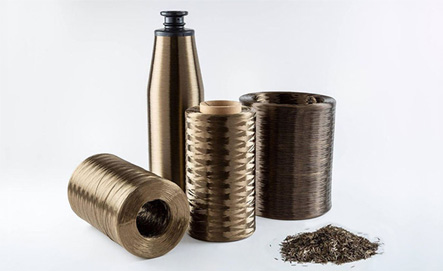
Continuous Basalt Fiber Roving serves as the primary building block for the composites industry. It is manufactured by drawing molten basalt rock through platinum-rhodium bushings, yielding high-performance filaments that are gathered into a single strand.
This material features high chemical resistance, excellent dielectric properties, and high tensile strength. It is highly suited for filament winding (for high-pressure LPG and gas cylinders), pultrusion (for structural beams and profiles), and weaving into technical fabrics.
China Beihai offers rovings in a wide range of linear densities (Tex) with custom sizing formulations to ensure optimal compatibility with epoxy, polyester, vinyl ester, and phenolic resin systems.
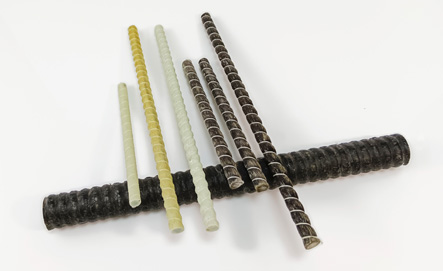
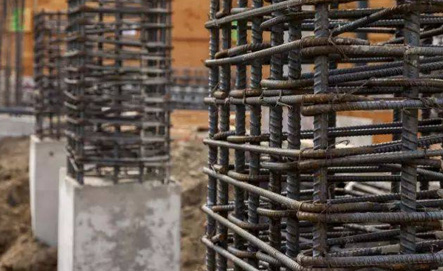
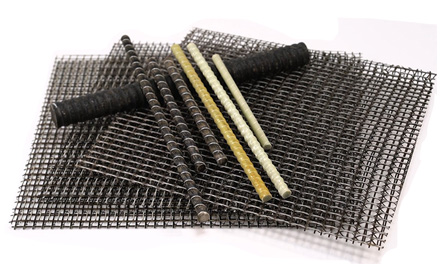
Basalt Fiber Rebar is an alternative to traditional steel reinforcement. Composed of high-strength continuous basalt fibers bound together by a corrosion-resistant vinyl ester resin matrix, it offers key structural advantages.
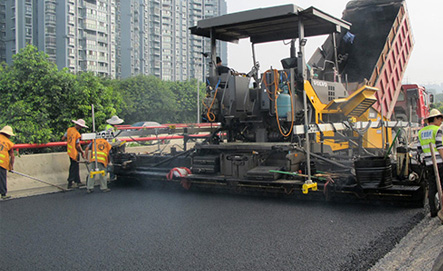
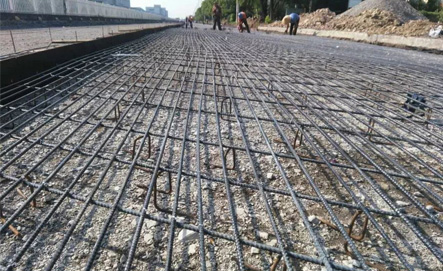
It is immune to rust and chloride attack, making it highly suited for concrete structures exposed to marine environments, bridge decks, highway barriers, and chemical storage facilities.
At one-quarter the weight of steel, basalt rebar simplifies onsite handling and reduces labor and transportation costs. Its coefficient of thermal expansion is also closely matched to concrete, minimizing internal stress and crack propagation.
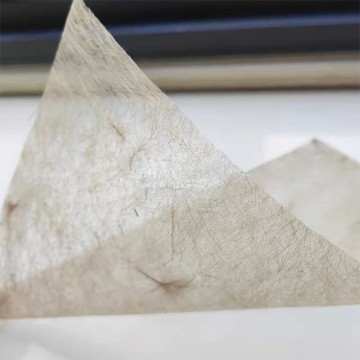
A non-woven thin sheet engineered to provide a smooth, resin-rich surface layer for fiber-reinforced plastic (FRP) structures.
Read More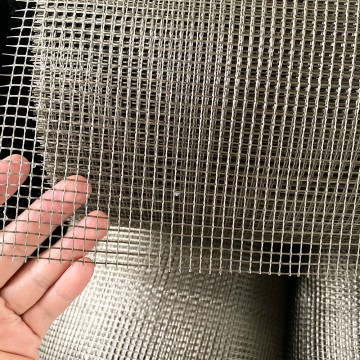
Superior reinforcement solution for concrete and plaster applications where high alkali resistance is required to prevent degradation.
Read More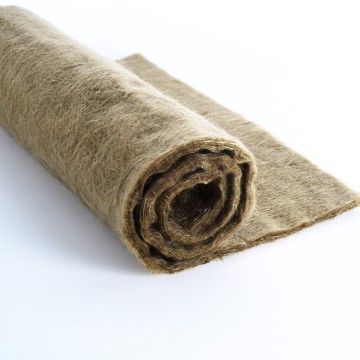
High-density insulation material manufactured by mechanically bonding continuous basalt fibers without chemical binders.
Read More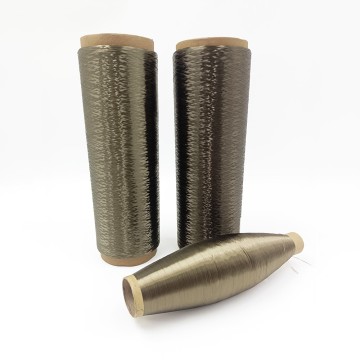
Engineered by twisting multiple continuous filaments to enhance mechanical strength and processing stability for braiding and sewing.
Read More
Diverse reinforcement applications in residential and commercial housing structures.

Lightweight and temperature-stable composites for aircraft secondary structures.

Thermal protection systems and high-temperature-resistant engine components.

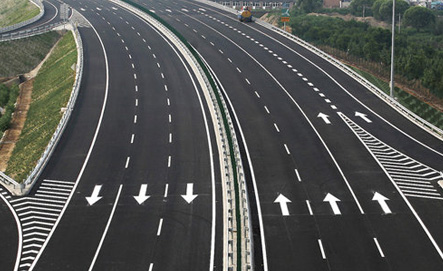
Increases crack resistance and long-term durability in civil engineering projects.

Ideal for vehicle weight reduction, exhaust systems, and brake pad materials.

Protects concrete bridge abutment structures from vehicle impact and marine corrosion.

Excellent resistance to chemical erosion, suitable for pipe wraps and storage tanks.

Corrosion-proof composites for saltwater piping, hulls, and marine platforms.
Founded in 2015 and located in Jiujiang, Jiangxi Province, China Beihai is a high-tech enterprise focusing on the research, development, production, and sales of high-performance continuous basalt fiber and its manufacturing equipment. As a leading enterprise in the domestic basalt fiber industry, we combine geological raw material expertise with state-of-the-art furnace technology to serve the global composites market.
At China Beihai, we specialize in the production of a wide range of basalt fiber products, including basalt fiber mat (chopped strand mat, surfacing tissue, needled felt), roving, yarn, chopped strands, and construction reinforcements (rebar, mesh, and insulation sleeves). Our products are designed to meet the diverse needs of various industries, providing sustainable solutions for customers worldwide.
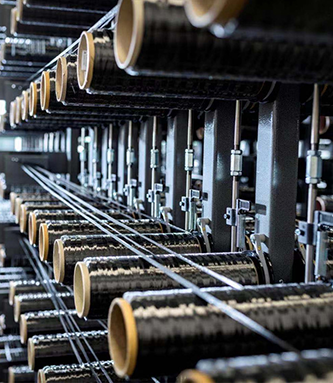

A comprehensive range of basalt fiber products, including roving, mats, yarn, rebar, and sleeves, customized to meet diverse industrial specifications.

We deliver sustainable, high-quality, and high-performance composite materials for construction, geotechnical engineering, and advanced manufacturing sectors.

Collaborating with China Beihai means partnering with a reliable, forward-thinking manufacturer committed to quality, innovation, and sustainability.
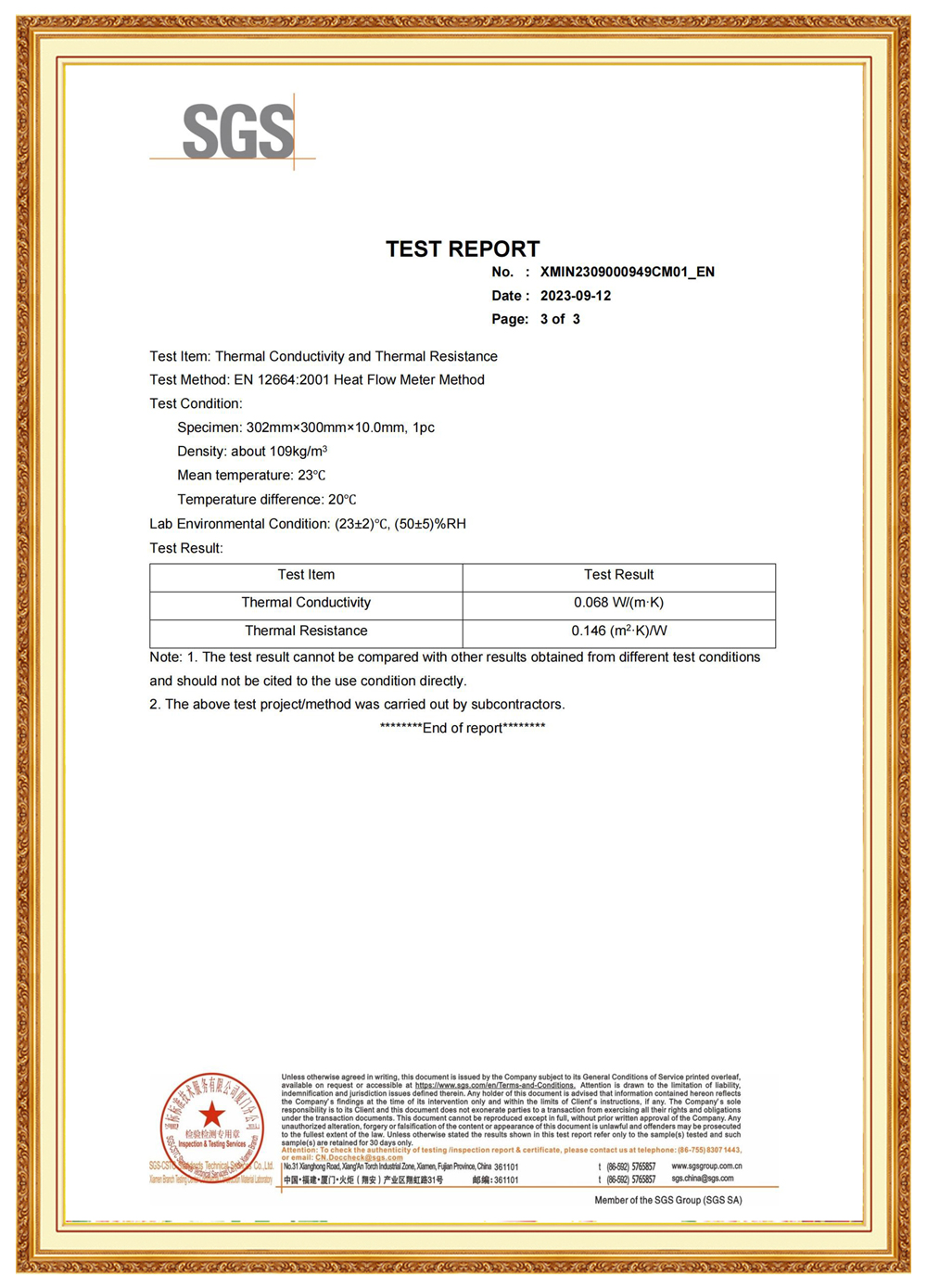
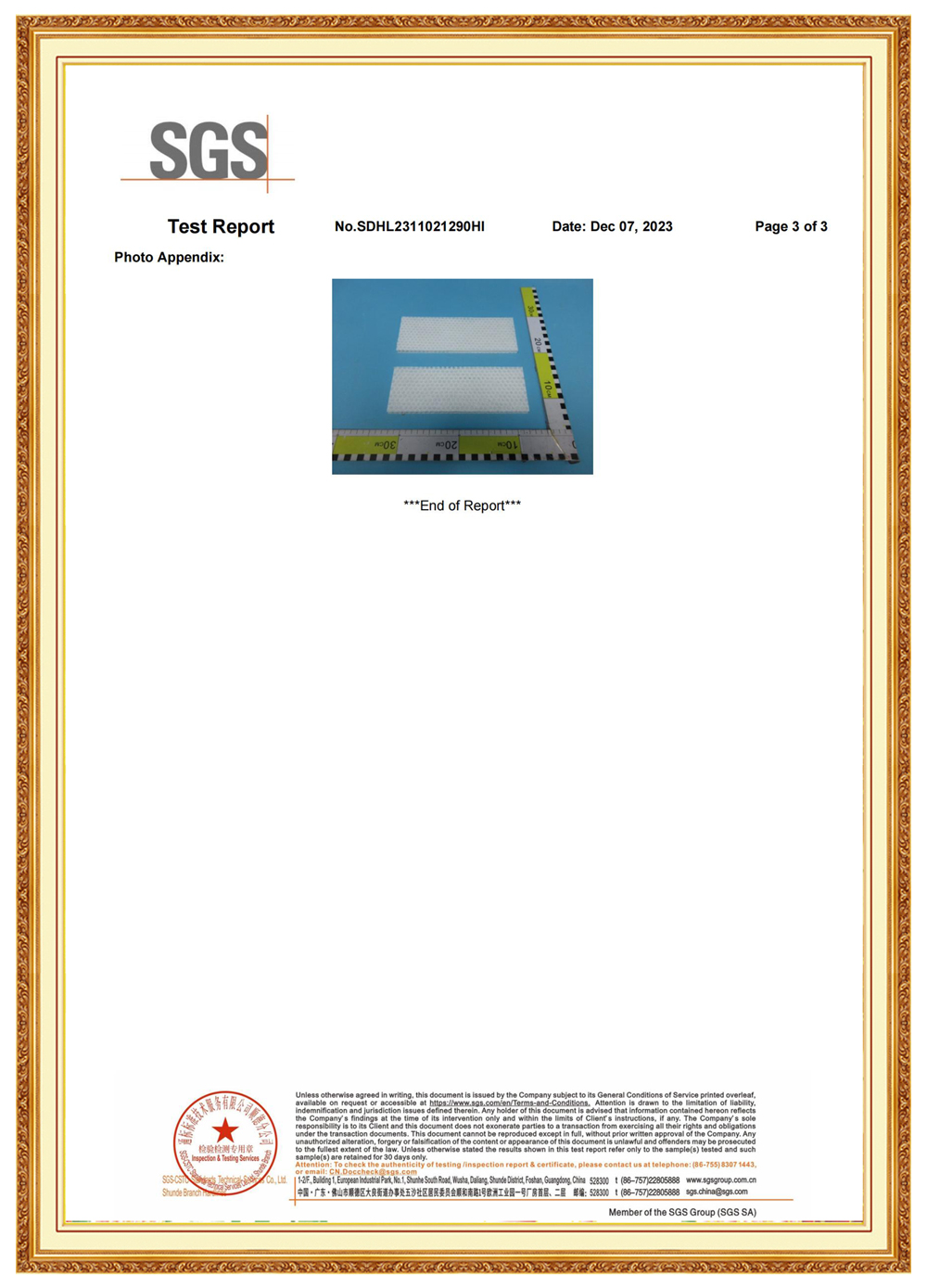
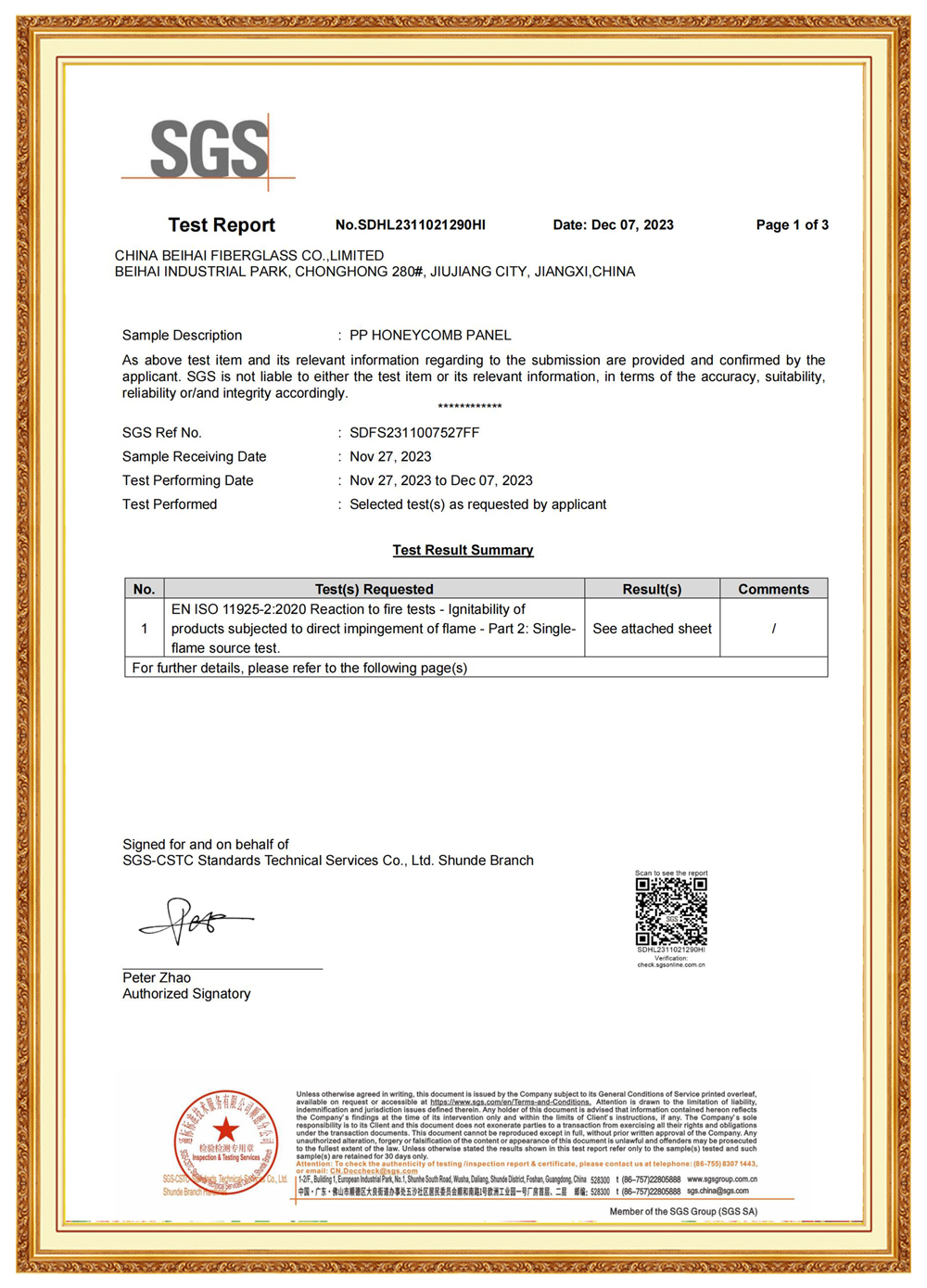
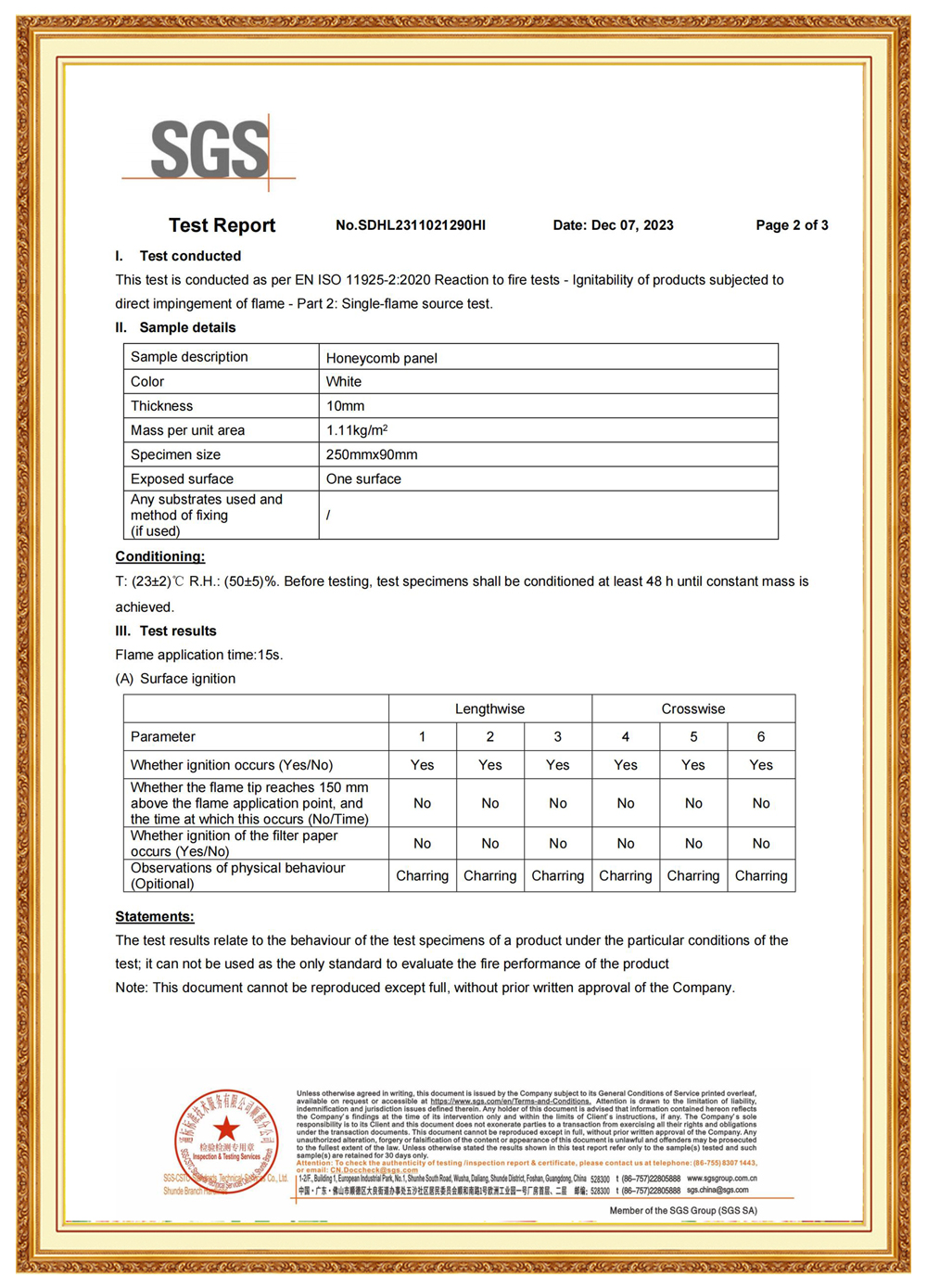
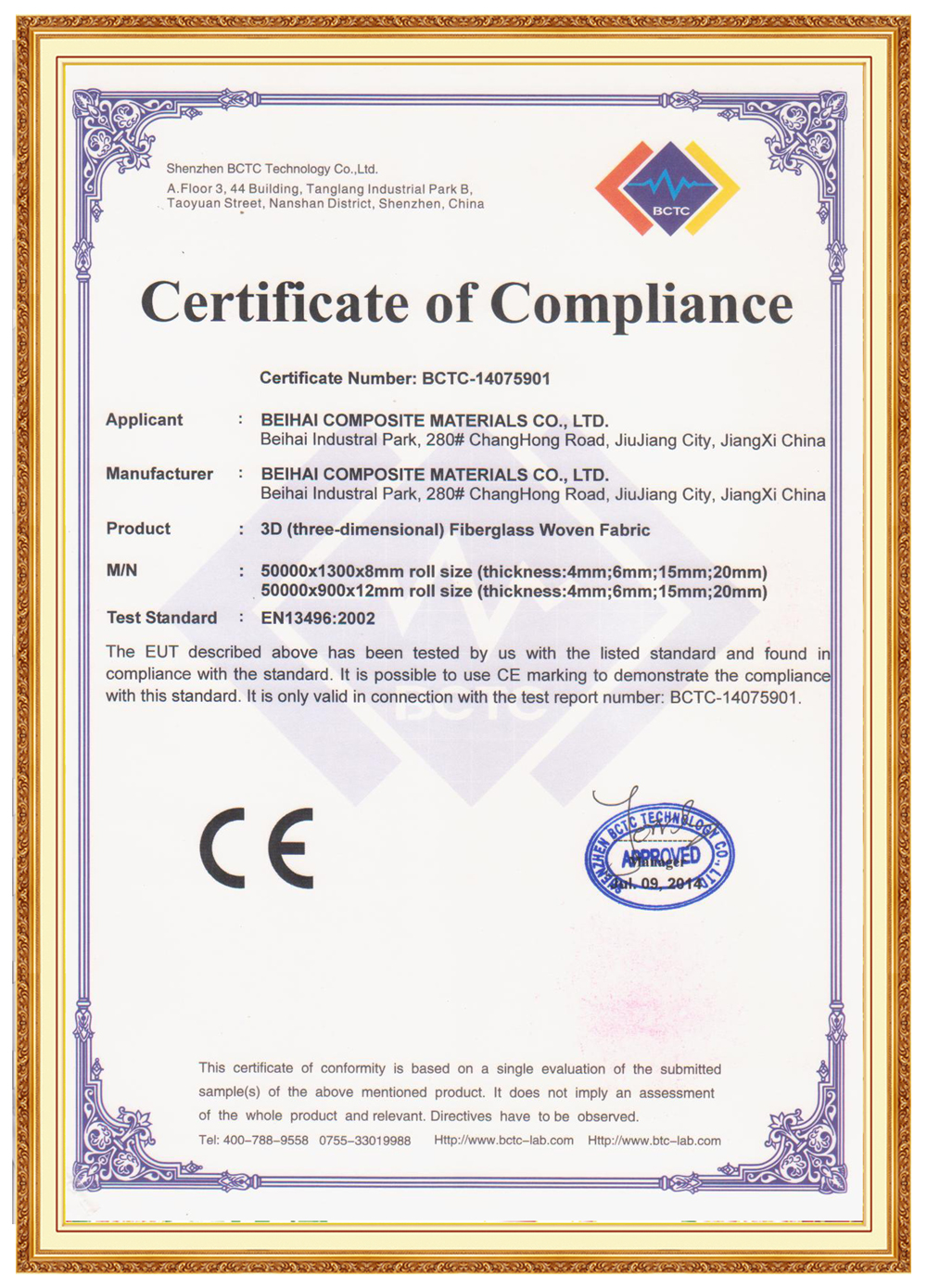
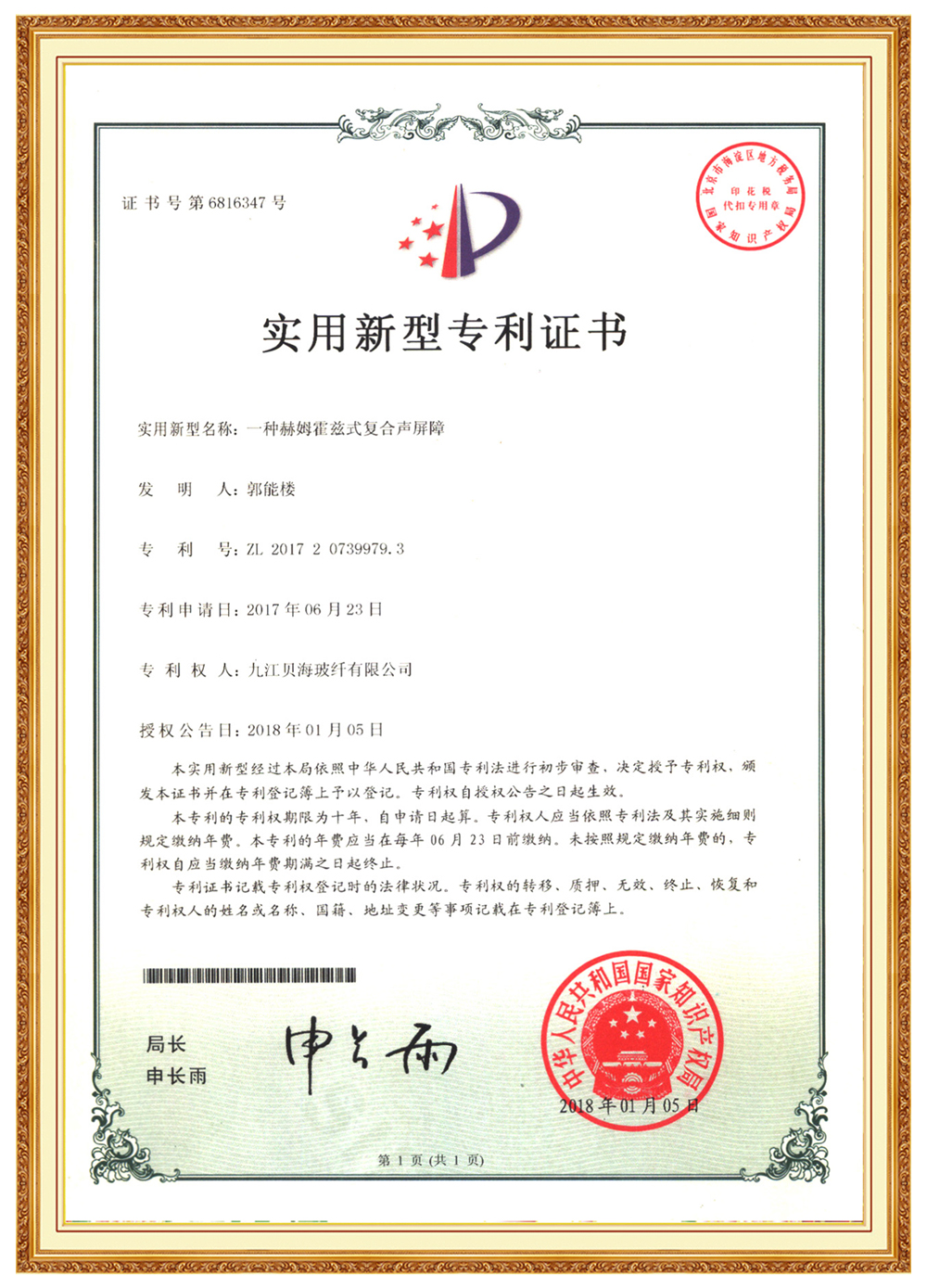
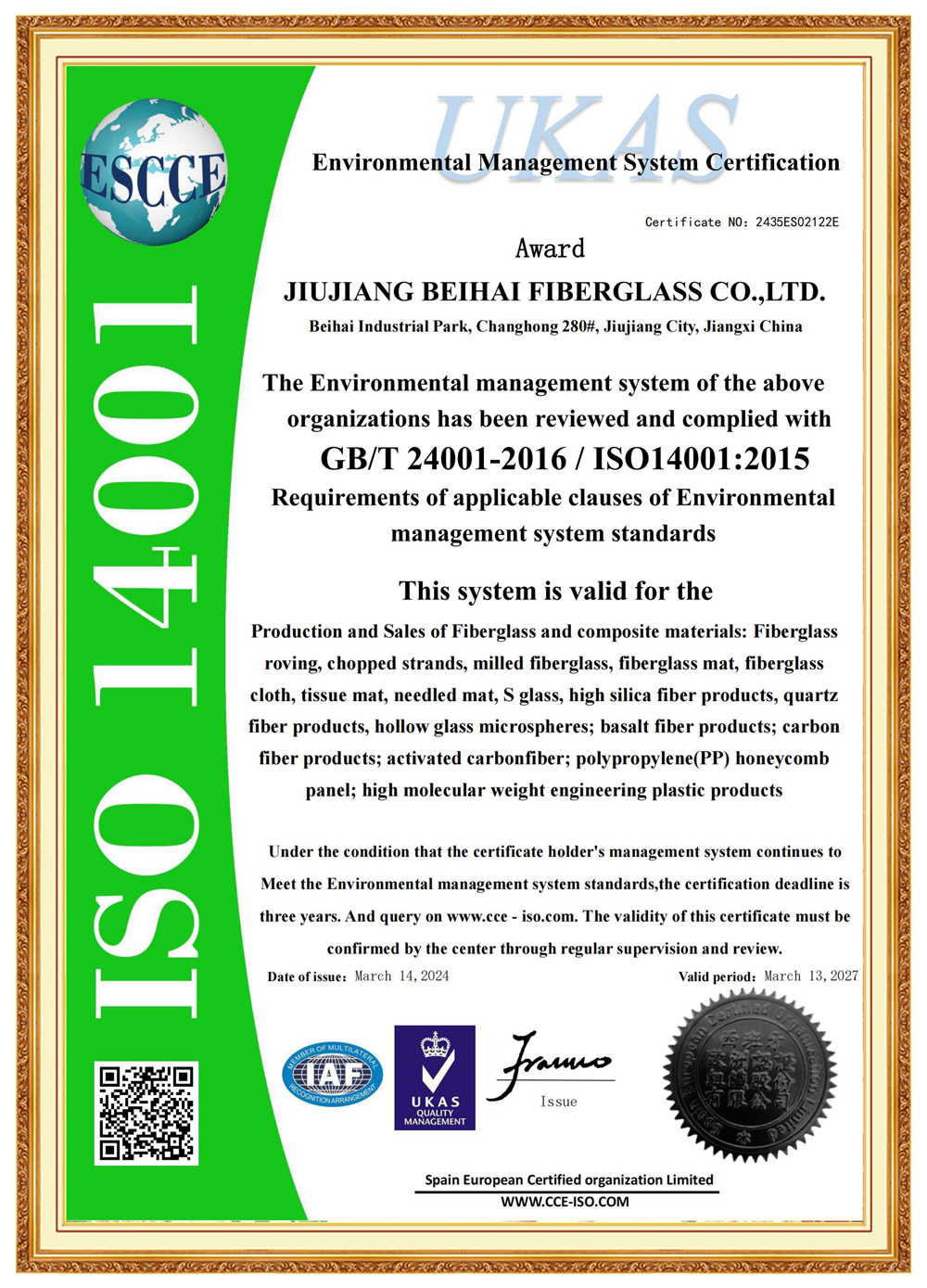
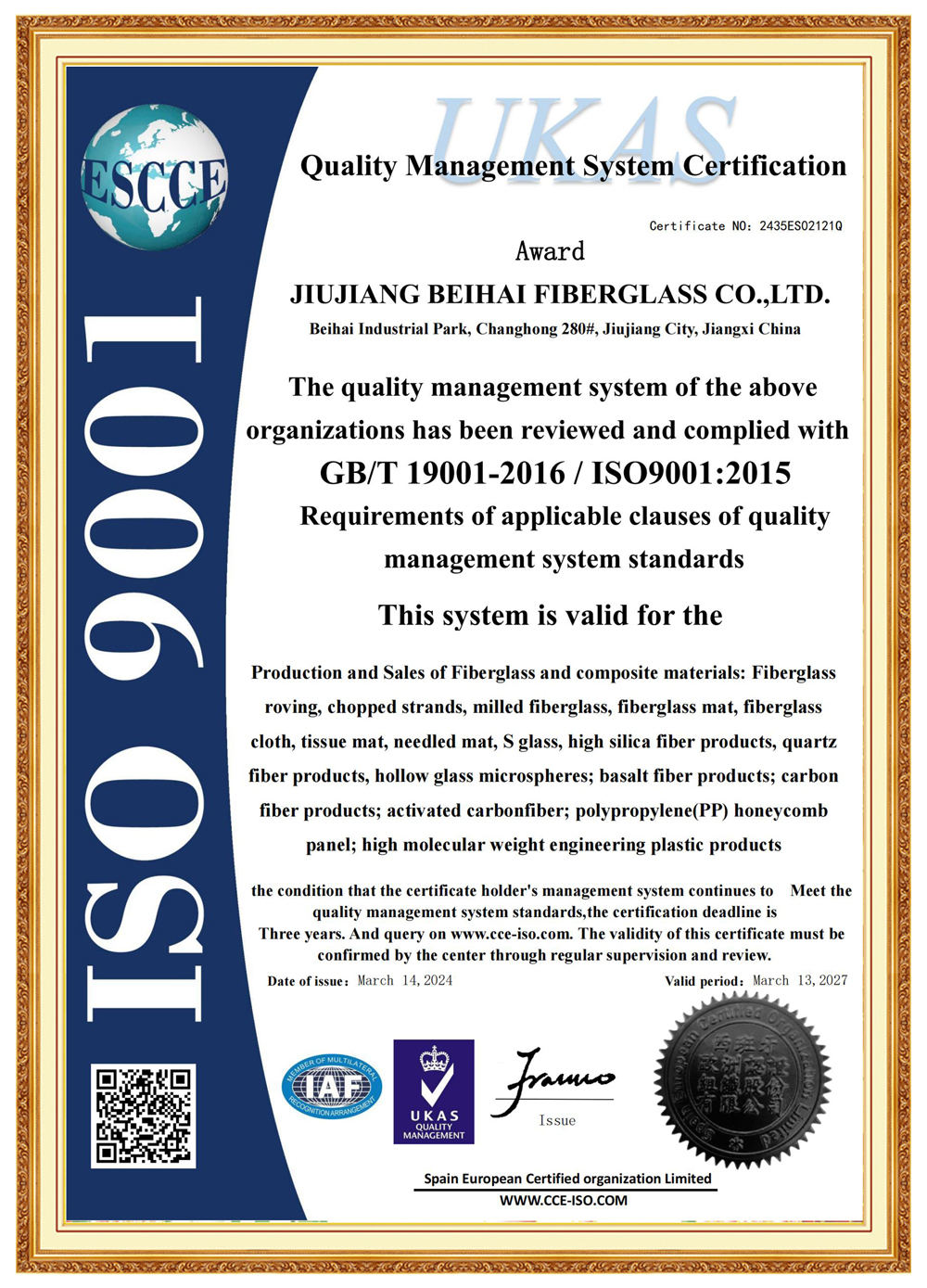
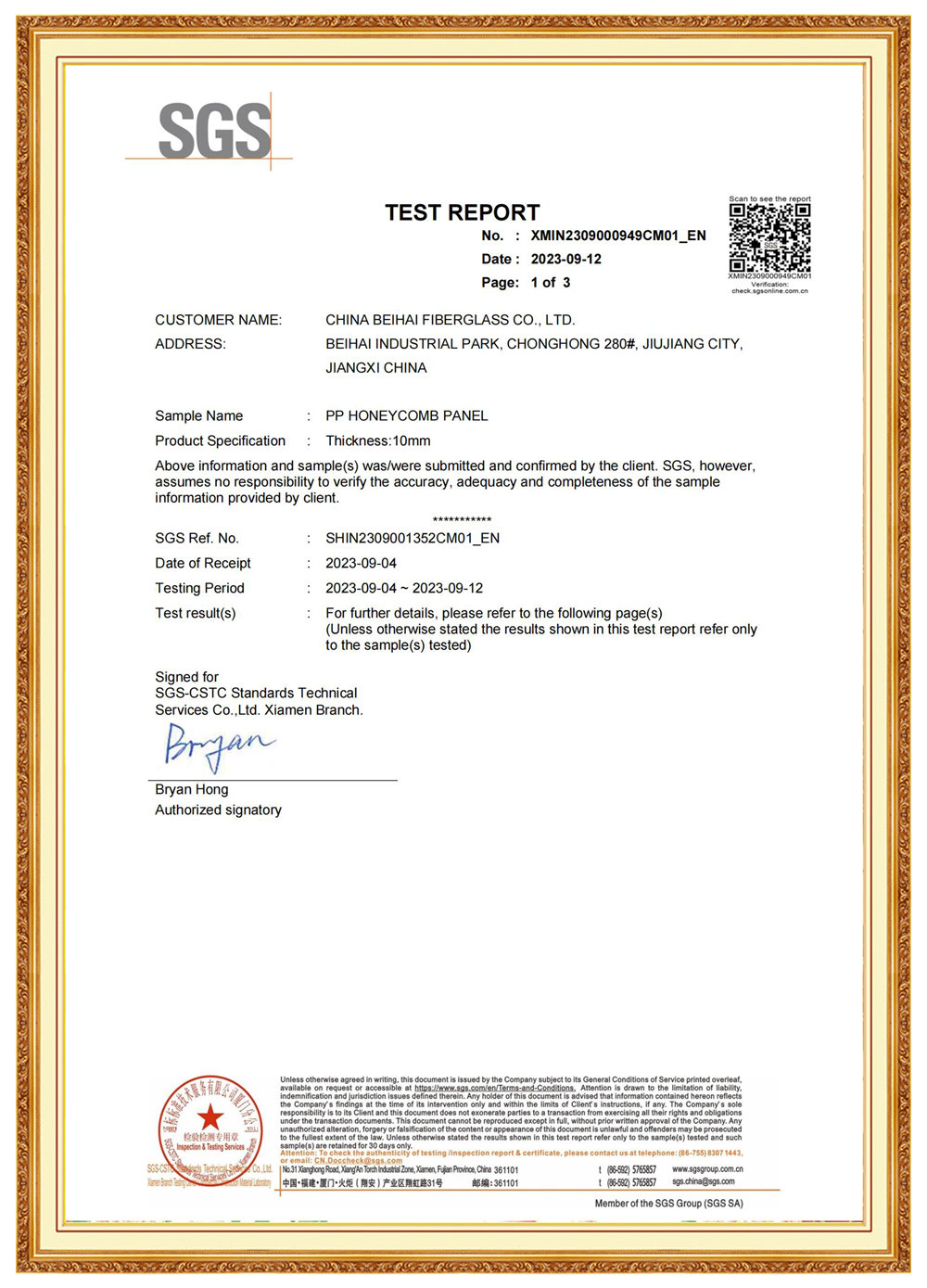
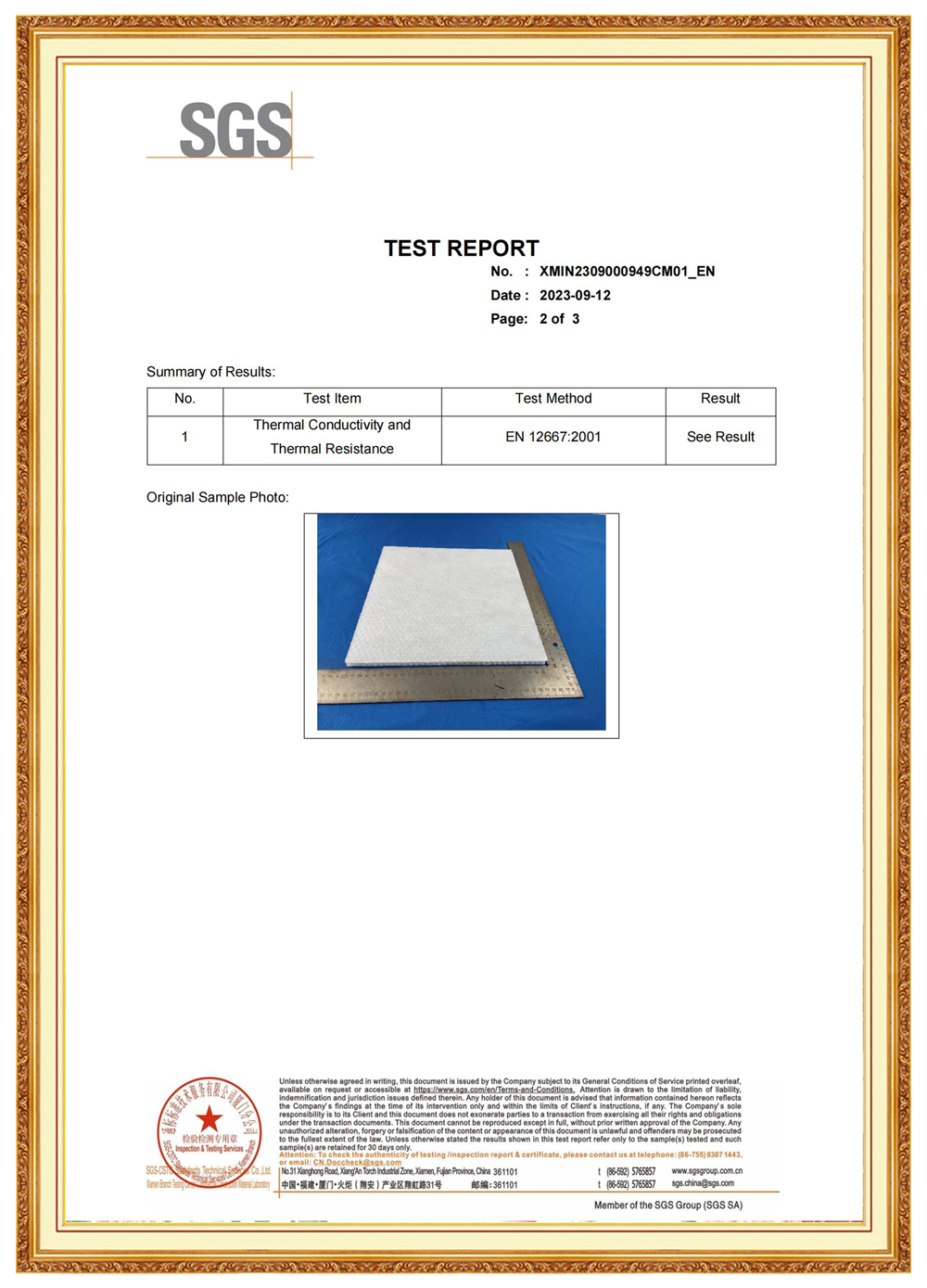
Our production processes and basalt fiber products are certified by leading international testing agencies to ensure compliance with ASTM, EN, and ISO performance standards.

As modern technologies like drones monitor remote forest ecosystems and automated robotic arms perform highly repetitive tasks in smart factories, the demand for lightweight and robust composite structures continues to grow. High-performance basalt fibers provide a strong structural backbone for these advanced systems.
By offering a unique combination of high tensile strength, vibration damping, and electromagnetic transparency, continuous basalt fiber composites are expanding possibilities in the design of drone airframes and industrial robotic components.
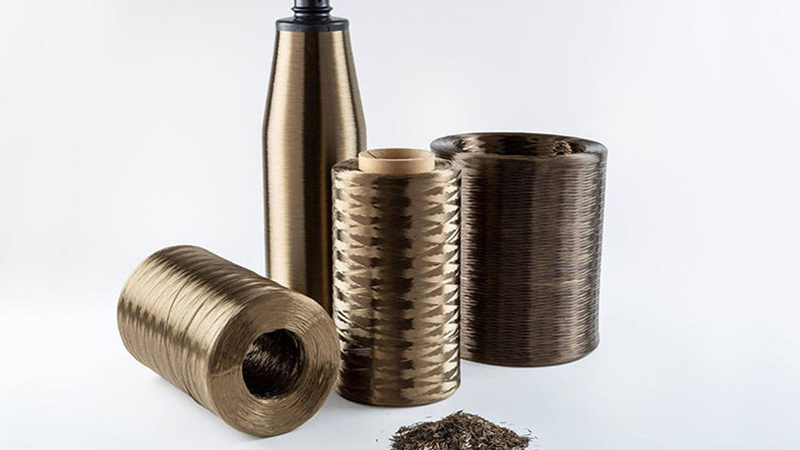 China Beihai remains at the forefront of this material transition, manufacturing precision rovings and thin tissue mats engineered for advanced composite processing.
Our pricing is determined by the required fiber filament diameter (measured in microns), the Tex rating (linear density), the sizing chemistry (formulated to match specific resins like epoxy or vinyl ester), and the total order volume. Standardized direct rovings in bulk configurations represent our most cost-efficient pricing tier.
Basalt fiber offers high performance at a competitive price. It delivers significantly greater chemical and acid-alkali resistance than standard glass fiber, along with an operating temperature limit up to 820°C. While carbon fiber offers higher absolute stiffness, basalt fiber provides a cost-effective alternative with superior impact tolerance and a lower carbon footprint.
Yes. We design and apply custom silane-based sizing formulations to ensure optimal interfacial adhesion with epoxy, polyester, vinyl ester, polyurethane, and phenolic resin systems, depending on the requirements of your composite application.
We operate fully automated, computer-controlled electric furnaces in Jiujiang, Jiangxi. Real-time laser diagnostic systems continuously monitor filament diameter and drawing stability. Every production run undergoes rigorous testing to verify tensile strength, Tex uniformity, and moisture content before shipping.
Standard inventory orders typically ship from our warehouse within 7 to 10 working days. Customized production runs (with non-standard Tex configurations or specialized sizing formulations) generally require a lead time of 21 to 30 days, depending on our active furnace schedules.
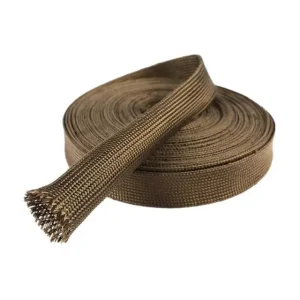
Wholesale High Temperature Wire Protector Braided Basalt Heat Insulation Sleeve. Keeps industrial wiring safe in extreme environments.
Get Quote & Specs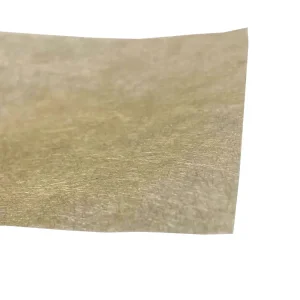
Custom Basalt Fiber Surfacing Tissue Mat for Thermal Protection. Delivers a smooth, resin-rich finish and high corrosion resistance.
Get Quote & Specs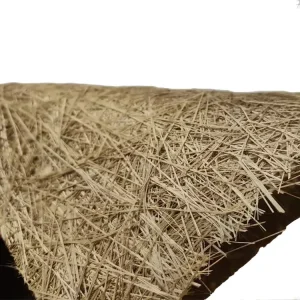
Custom Basalt Chopped Strand Mat for Construction. Designed to reinforce structural walls and prevent concrete cracking.
Get Quote & Specs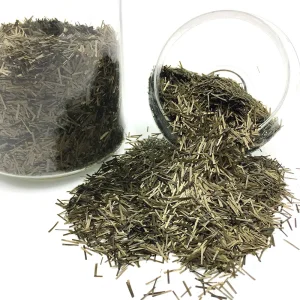
China Basalt Fiber Chopped Strands for Insulating Materials. High electrical resistivity and thermal insulation performance.
Get Quote & Specs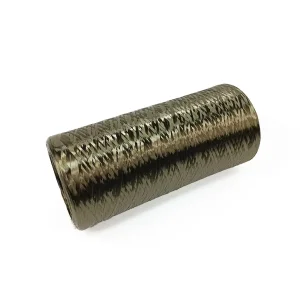
Wholesale High-Quality Basalt Fiber Roving for Reinforced Structures. Designed for high mechanical loading applications.
Get Quote & Specs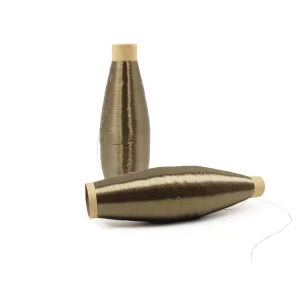
China Basalt Fiber Roving/Yarn for Electronics. Provides reliable dielectric properties and thermal dissipation for PCBs.
Get Quote & Specs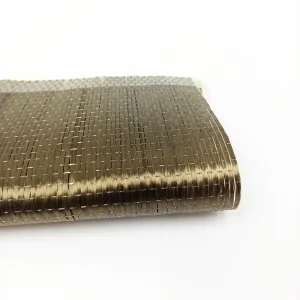
Wholesale Corrosion-resistant Basalt Fiber Unidirectional Fabric. High axial strength for bridge reinforcement.
Get Quote & Specs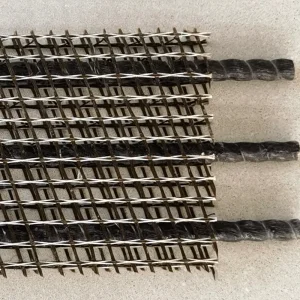
China High Tensile Strength 3D Basalt Fiber Mesh for Structural Reinforcement and Repair. Optimal bond interface with concrete.
Get Quote & Specs Beihai Fiberglass