In the global market, China stands out as a leading supplier of Glass Fiber Material. This versatile material is essential in numerous industries, including automotive, construction, and aerospace. Its unique properties, such as lightweight and high strength, make it a preferred choice for many applications.
However, the landscape of suppliers can be complex. Buyers must navigate a range of options, each with varying quality and price points. Understanding the best suppliers is crucial for making informed decisions. Many factors influence supplier reliability, such as production capacity and technology advancements.
As demand for eco-friendly solutions grows, the industry faces challenges. Suppliers must adapt to sustainability trends while maintaining quality standards. This is an area where innovation is needed. Thus, global buyers should carefully evaluate their suppliers to ensure they meet quality and environmental standards in sourcing Glass Fiber Material.
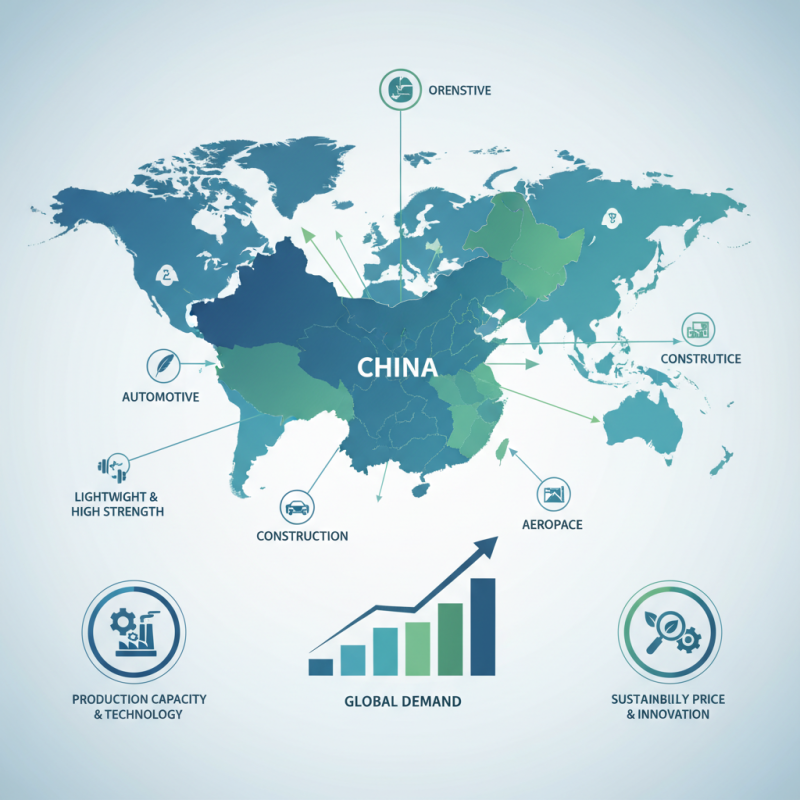
Overview of China's Glass Fiber Material Industry
China has become a significant player in the global glass fiber material industry. The country accounted for over 60% of the world’s glass fiber production in 2022, according to the International Glass Fiber Association. Its rapid growth is fueled by various industries, including construction, automotive, and aerospace. The demand for lightweight and durable materials drives innovations in glass fiber technology.
The glass fiber industry in China faces challenges, including environmental concerns and production costs. The Industrial Technology Research Institute highlights that while China leads in production, its recycling rates for glass fiber materials remain low. This creates an opportunity for improvement. Additionally, maintaining quality while scaling production is a continual struggle for manufacturers. Investing in advanced technologies could address these issues.
Despite these challenges, China's glass fiber sector shows promise. The market is projected to grow by 5% annually over the next five years, driven by increasing applications in wind energy and electronics. Global buyers look to China, but they must consider both the strengths and weaknesses of the industry. The landscape is evolving, with sustainability becoming a focal point for future developments.
Key Players in China's Glass Fiber Supply Chain
China plays a pivotal role in the global glass fiber supply chain, catering to diverse industries. Key players in this market include manufacturers that specialize in production, research, and technology. These suppliers often innovate to improve product quality and reduce costs. The competitive landscape pushes suppliers to enhance their offerings continuously.
Tips: When selecting suppliers, assess their technical capabilities and reputation. Understand their production processes and technology usage. This evaluation can reveal insights into quality and reliability.
A significant challenge in the glass fiber market is sustainability. Manufacturers are increasingly pressed to adopt eco-friendly practices. Some may struggle to balance profit and environmental responsibility. This ongoing transition is vital for long-term viability.
Tips: Look for suppliers that prioritize sustainable practices. Ensure they have certifications or commitments to environmentally friendly operations. It’s wise to stay informed about industry trends related to sustainability.
Quality Standards and Certifications for Glass Fiber Products
In the competitive landscape of glass fiber manufacturing, quality standards and certifications play a crucial role. These benchmarks ensure that glass fiber products meet specific performance and safety criteria. Industry reports suggest that over 75% of global buyers prioritize suppliers with recognized certifications. This importance stems from the rigorous testing procedures glass fibers undergo, such as ASTM and ISO standards.
High-quality glass fiber products must undergo evaluations for mechanical strength, thermal resistance, and chemical durability. For example, a report by the International Glass Fiber Association indicates that products passing these tests can enhance structural integrity by up to 30%. Despite this, some manufacturers struggle with achieving consistent quality. Variability in production processes can lead to defects, impacting overall reliability. Continuous improvement in these processes is essential to maintain competitive advantages.
Additionally, obtaining certifications can be resource-intensive. Many suppliers face challenges in complying with evolving regulations. This creates a gap where new entrants in the market may lack essential certifications, raising concerns among buyers about product quality. A robust understanding of these standards is necessary for global buyers to mitigate risks effectively. By promoting transparency in quality assurance, the glass fiber industry can foster greater trust and reliability among stakeholders.
Market Trends in Global Demand for Glass Fiber Materials
The global demand for glass fiber materials is witnessing a significant upward trend. According to a report by Research and Markets, the global glass fiber market is projected to reach USD 18.74 billion by 2027, growing at a CAGR of 5.6%. This growth is driven by industries such as renewable energy, automotive, and construction, where lightweight and high-strength materials are vital.
In the renewable energy sector, glass fiber plays a critical role in wind turbine blades and solar panels. These applications require materials with outstanding tensile strength and weather resistance. The increased investment in wind power has particularly bolstered demand. A study from Grand View Research indicates that wind energy's capacity will exceed 1,200 GW by 2025, fueling the need for glass fiber composites.
However, the industry faces challenges. The fluctuating prices of raw materials can impact production costs. Additionally, the need for sustainable practices is growing, pushing for eco-friendly alternatives. Companies are exploring innovations in recycling glass fiber materials. This reflects a need for adaptability in a rapidly changing market landscape. Global buyers must navigate these complexities to successfully engage with leading suppliers in this dynamic field.
Global Demand Trends for Glass Fiber Materials (2023)
Challenges and Opportunities for Chinese Glass Fiber Suppliers
Chinese glass fiber suppliers face unique challenges. The global market is highly competitive. Prices fluctuate, impacting profit margins. Keeping up with demand is tough. In some cases, production cannot meet the speed required by buyers. Suppliers must also address quality control. Subpar products can damage reputations.
Opportunities exist within innovation. Advancements in glass fiber technology can attract global buyers. Companies that invest in research may gain a competitive edge. Sustainable practices could also appeal to eco-conscious consumers. However, transitioning to greener methods requires substantial investment. Many small suppliers struggle to adapt.
Building strong relationships with buyers is essential. Open communication can lead to better understanding and collaboration. Suppliers must be proactive in addressing buyers' needs. This approach fosters trust over time and enhances reliability. However, balancing quality with cost and speed remains a constant challenge. Each step forward requires reflection and adjustment.
FAQS
: The global demand is rising. The market may reach USD 18.74 billion by 2027.
Key industries include renewable energy, automotive, and construction. They rely on lightweight, strong materials.
Glass fiber is crucial in wind turbine blades and solar panels. These applications require high tensile strength.
Suppliers deal with price fluctuations. Meeting high demand and maintaining quality remains difficult.
Investing in innovation is vital. Research in glass fiber technology can attract global buyers.
There is growing demand for eco-friendly practices. Companies explore recycling but face adaptation challenges.
Building trust through communication helps meet buyers' needs. It fosters long-term relationships.
Balancing quality with cost and speed is ongoing. Each improvement requires careful reflection.
Future growth focuses on sustainability. However, it demands significant investment from suppliers.
Suppliers must continuously adjust to market changes. This involves reflecting on quality and innovation strategies.
Conclusion
China's glass fiber material industry plays a pivotal role in the global supply chain, characterized by several key players and a robust production capacity. The industry adheres to stringent quality standards and certifications, ensuring that products meet international requirements, which enhances their competitiveness in the global market.
Current market trends indicate a steady rise in global demand for glass fiber materials, driven by advancements in construction, automotive, and renewable energy sectors. However, Chinese suppliers face challenges such as fluctuating raw material prices and environmental regulations. Nonetheless, these challenges present opportunities for innovation and expansion, positioning China as a significant player in the global glass fiber material landscape.

 Beihai Fiberglass