Retaining embankments play a crucial role in civil engineering. They support terrain stability and prevent land erosion. However, their longevity relies on effective maintenance strategies. Renowned expert Dr. Emily Hartwell highlights this aspect, stating, “Regular inspections and timely interventions are essential for the longevity of retaining embankments.”
Maintaining retaining embankments involves a mix of technical knowledge and practical application. Regular monitoring can identify problems early. This proactive approach reduces repair costs and enhances structural integrity. It's essential to address drainage issues promptly. Poor drainage can lead to significant damage over time.
Experts often suggest that engineers should stay updated on best practices. Environmental factors can change the conditions around embankments. A lack of attention can lead to failures that seem minor at first but become critical. It reflects the importance of commitment to maintenance. Retaining embankments require ongoing efforts to ensure they function as intended. Each inspection adds to their resilience and durability.
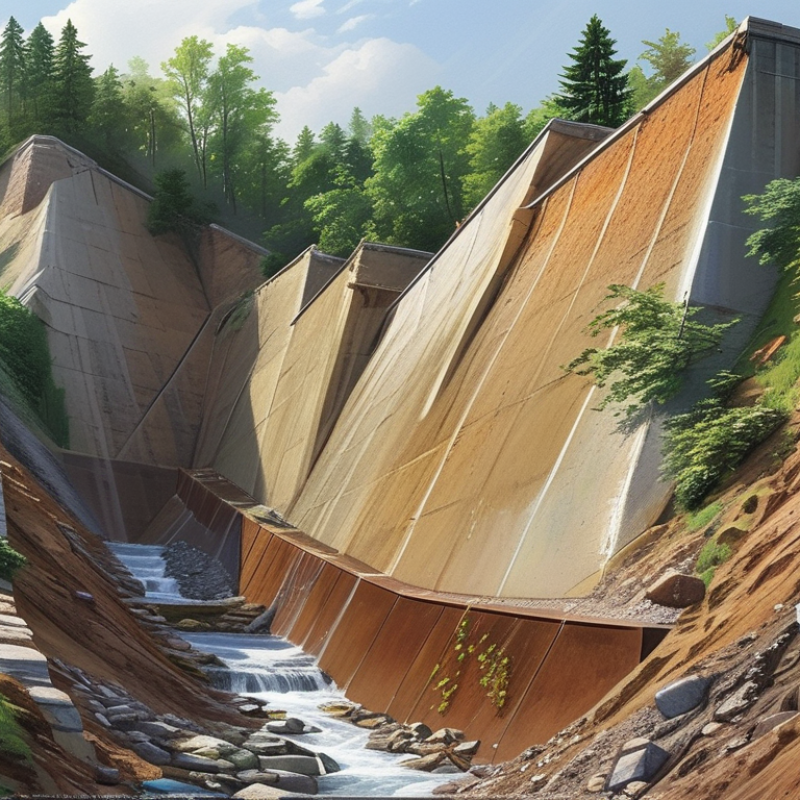
Retaining embankments play a vital role in landscape architecture and infrastructure. These structures, designed to hold back soil and water, require regular maintenance. Without proper care, they can fail, leading to significant damage and costly repairs. Understanding the importance of maintenance is essential for ensuring their longevity.
Over time, erosion, vegetation growth, and water saturation can weaken embankments. Regular inspections help identify these issues early. Inspect for cracks, movement, and drainage problems. Addressing these quickly prevents larger issues down the line. Implementing a schedule for routine checks is a wise practice, as neglecting them can lead to serious setbacks.
Reinforcing the structure is also crucial. Materials may degrade over the years, making it necessary to replace or repair them. Proper drainage is key to maintaining stability. Ensure that water does not pool at the base. The challenge lies in staying proactive. Rely on expert advice to develop effective strategies. Regular maintenance is not just a task; it’s a responsibility. Addressing these concerns fosters reliability and structural integrity in retaining embankments.
Retaining embankments are crucial for structural integrity. However, they often face common issues that can lead to deterioration. One major problem is water accumulation. Excessive moisture can weaken the embankment, creating cracks or even serious collapses. Proper drainage systems are essential to mitigate this risk.
Another concern is soil erosion. Wind and rain can wash away soil from the embankment’s surface. Regular inspections are necessary to identify areas impacted by erosion. Reinforcement techniques, such as vegetative covers, can help restore stability. It is essential to address these issues promptly, as neglect can lead to costly repairs.
Maintenance can be a challenge. Sometimes, the signs of damage are not easily noticeable. Inspectors must look for subtle changes in the embankment's condition. Community involvement can provide additional oversight. Encouraging residents to report visible problems ensures ongoing attention to the structure.
Inspecting retaining walls is crucial for their longevity. Regular checks help identify issues early. According to the American Society of Civil Engineers, 25% of retaining walls encounter major problems within their first 10 years. Thorough inspections can prevent costly repairs and increase safety.
Begin with a visual inspection. Look for cracks, bulges, and drainage issues. Measure any noticeable movements or deformations. Ensure that the soil behind the wall is properly drained. Water accumulation can lead to wall failure. Use a level to check for vertical alignment. This step is vital for maintaining structural integrity.
Tip 1: Document all findings with photos and notes. This creates a reference point for future inspections.
Perform periodic structural assessments. Engage professionals for in-depth evaluations. They can spot hidden issues that might be overlooked. According to industry experts, neglecting maintenance can reduce a wall's lifespan dramatically.
Tip 2: Schedule inspections at least twice a year. Seasonal changes can exacerbate existing problems.
Always consider potential signs of instability, such as unusual water pooling or vegetation growth at the wall base. Addressing these early can make a significant difference. Regular maintenance not only enhances safety but also extends the life of the retaining wall.
Maintaining retaining embankments is crucial for infrastructure longevity. Effective repair and reinforcement strategies can prevent severe damage. Regular inspections are essential. According to the U.S. Army Corps of Engineers, 20% of dam failures relate to embankment issues. Identifying early signs of erosion or settlement can save time and costs.
One effective strategy involves using geotextiles. These materials enhance stability and reduce erosion risk. A recent study highlighted that projects using geotextiles showed a 30% reduction in maintenance costs. However, not all projects incorporate these solutions adequately. The lack of skilled teams can lead to improper application, often resulting in failures.
Another method involves the use of soil-nail systems. This technique reinforces existing embankments, ensuring they can withstand increased loads. Preliminary findings indicate that these systems can extend the lifespan of an embankment by up to 50%. Yet, relying solely on these methods without regular monitoring can pose risks. Data suggests that 15% of embankments are not properly maintained post-reinforcement. Regular assessments are vital for ensuring long-term effectiveness.
Retaining embankments play a crucial role in soil stability and water management. Regular inspection is vital to detect any signs of erosion or cracking early. According to the Federal Highway Administration, 30% of structural failures arise from poor maintenance. Investing in quality inspections can significantly prolong the lifespan of these structures.
Proper drainage is essential in maintaining the integrity of retaining walls. The American Society of Civil Engineers emphasizes that inadequate drainage can lead to increased hydrostatic pressure, which may compromise the structure's stability. Implementing weep holes and drainage systems reduces water buildup. Routine maintenance should include clearing blockages to ensure continuous water flow and prevent water retention.
Soil compaction must be regularly evaluated. Loose soil can contribute to settling and shifting. The National Resources Conservation Service recommends testing soil compaction every few years to ensure that it meets necessary standards. Additionally, monitoring plant growth near retaining walls is critical. Overgrown roots can exert pressure on the walls, leading to potential structural damage. Prioritizing these best practices fosters long-term stability and durability of retaining embankments.
| Maintenance Practice | Description | Frequency | Importance Level |
|---|---|---|---|
| Regular Inspections | Conduct visual inspections for signs of distress, erosion, or settling. | Monthly | High |
| Drainage Maintenance | Ensure proper functioning of drainage systems to prevent water accumulation. | Quarterly | Very High |
| Vegetation Control | Manage plant growth near structures to prevent root intrusion and erosion. | Biannually | Medium |
| Repair Cracks | Fill and repair cracks to prevent water infiltration and further damage. | As Needed | High |
| Reinforcement Checks | Inspect and maintain reinforcement materials, ensuring they are intact. | Annually | Very High |
: Regular maintenance prevents failure and costly repairs. It ensures the longevity of the structures.
Erosion, vegetation growth, and water saturation can weaken embankments. Regular inspections help identify these issues early.
Implementing a schedule for routine checks is essential. Regular inspections help prevent larger issues.
Proper drainage prevents water pooling. This is key to maintaining stability and avoiding structural compromise.
Geotextiles enhance stability and reduce erosion risk. Studies show they can cut maintenance costs by 30%.
Soil-nail systems reinforce embankments, extending their lifespan. They may increase durability by up to 50%.
Overgrown roots can exert pressure on walls, leading to damage. Monitoring plant growth is critical for safety.
Inadequate drainage causes increased hydrostatic pressure. This can compromise the stability of the retaining wall.
Regularly evaluating soil compaction prevents settling and shifting. Loose soil can contribute to structural instability.
Improper application of repair methods can lead to failures. Skilled teams are essential for effective maintenance.
Maintaining retaining embankments is crucial for ensuring their longevity and structural integrity. Proper maintenance helps prevent common issues such as erosion, settlement, and cracking, which can compromise the effectiveness of these structures. Identifying potential problems early through regular inspections is essential; employing step-by-step methods can facilitate thorough evaluations of retaining walls.
Effective strategies for repairing and reinforcing embankments include the use of appropriate materials and techniques tailored to specific issues. Additionally, adhering to best practices for long-term maintenance—such as routine monitoring and timely repairs—can significantly enhance the durability and performance of retaining structures. Ultimately, a proactive approach to maintaining retaining embankments safeguards both the environment and infrastructure over time.

Beihai Fiberglass