Concrete Slab Design Tips for Global Buyers How to Choose Best?

Time:2026-06-22 Author:Charlotte
0%

Choosing the right design for concrete slabs is crucial for global buyers. It requires understanding specific needs and local conditions. Concrete Slab Design is not just about aesthetics; it ensures durability and functionality. Each project has unique demands, influenced by factors like climate and soil type.

Many buyers may rely on generic designs or assumptions. This could lead to costly mistakes. Factors like load-bearing capacity and material choices must be prioritized. Engaging with local experts can provide valuable insights into the best practices for concrete slab design.

While there is no one-size-fits-all solution, exploring various designs can open new possibilities. Reflect on previous projects. What worked? What didn’t? This reflection informs better decisions. Ultimately, a well-informed approach will enhance the success of your project. Insightful decisions lead to robust and reliable concrete slabs.
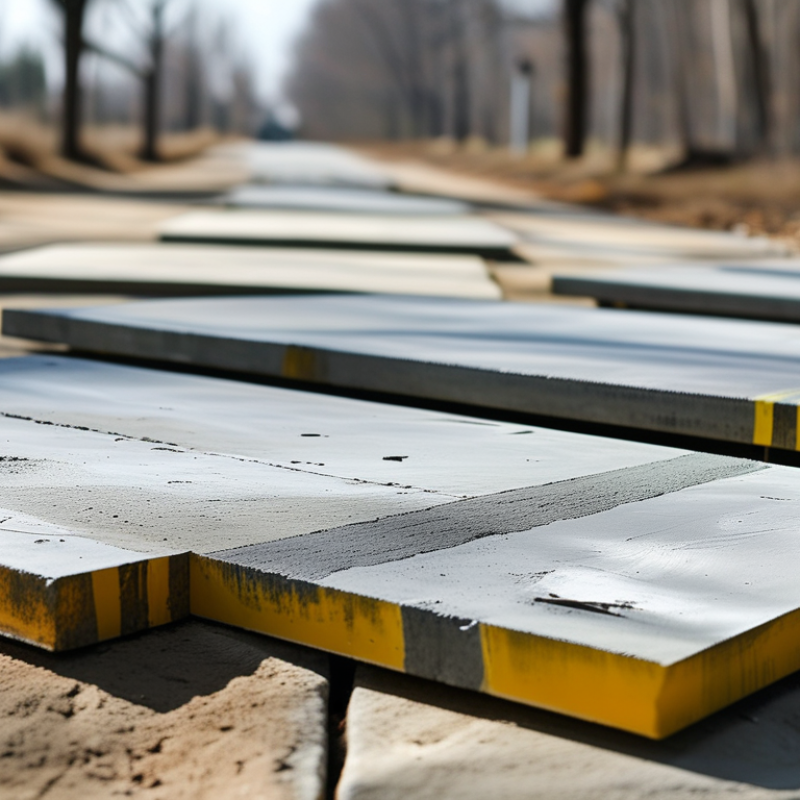
Concrete Slab Design Tips for Global Buyers How to Choose Best?

Understanding Concrete Slabs: Types and Uses for Global Buyers

Concrete slabs serve as the foundation for many structures. Understanding the various types can help buyers make informed decisions. There are mainly two categories: reinforced and pre-stressed slabs. Reinforced slabs use steel bars to enhance strength. They are common in residential buildings. On the other hand, pre-stressed slabs are designed to carry heavy loads. They are often used in commercial properties and bridges.

Buyers must consider the intended use of these slabs. For example, a patio may require a different thickness than an industrial floor. Issues such as weather conditions should also be considered. Different climates can affect concrete's durability. It's essential to reflect on the local environment and regulations. Sometimes, buyers overlook these details, leading to unforeseen problems. Remember, investing in quality materials will enhance longevity and performance. A knowledgeable contractor can provide insights into the best choices for specific needs.

Key Factors to Consider in Concrete Slab Design for Different Climates

When designing concrete slabs for various climates, several factors come into play. Temperature fluctuations can greatly affect the material's integrity. In colder climates, it's essential to ensure proper insulation. This prevents thawing and freezing cycles that can lead to cracks. A thicker slab may also be necessary to enhance durability against harsh conditions.

Humidity levels are another crucial aspect. In regions with high humidity, moisture control is key. Using additives can help improve water resistance, thus prolonging the slab’s lifespan. Conversely, in dry climates, incorporating expansion joints is crucial. These joints allow for movement and help avoid stress cracks due to temperature changes.

Consideration of local soil conditions is also vital. Poor soil compaction can lead to settlement issues over time. Testing soil composition before beginning construction can prevent these regrets. Analyzing regional weather patterns helps in making informed decisions for slab design. Each climate presents unique challenges, requiring thoughtful strategies to ensure success in concrete slab construction.

Choosing the Right Materials for Durable Concrete Slabs

When designing durable concrete slabs, material selection is crucial. High-quality aggregates ensure strength and longevity. Look for a combination of coarse and fine aggregates to enhance the slab's structure. The right mix impacts everything from load-bearing capacity to resistance against weather elements. Pay attention to the aggregate sources; local options often perform better due to climate compatibility.

Water-to-cement ratio is another key factor. Too much water can weaken the mix, leading to cracks and other issues. Aim for a balanced ratio that maximizes strength while ensuring workability. Additionally, consider using additives, like polymers, to improve performance. They can enhance flexibility and reduce permeability.

Recycling materials is a growing trend in concrete design. Incorporating recycled aggregates can be both eco-friendly and cost-effective. However, not all recycled materials provide the same benefits. Test samples before large-scale use. Reflect on these factors when choosing materials, as they directly influence the durability and sustainability of concrete slabs. Avoid overlooking local conditions; they shape the material's behavior over time.

Common Design Mistakes to Avoid When Sourcing Concrete Slabs

When sourcing concrete slabs, avoiding common design mistakes is crucial. A frequent error is miscalculating the load-bearing capacity. Each slab should support specific weight requirements. Not considering local climate impact can lead to failure. For example, high heat can cause expansion, while excessive moisture leads to cracks.

Another pitfall is neglecting proper installation methods. Insufficient curing time can weaken the slabs, affecting durability. Many overlook the importance of joint placement and spacing, which can result in stress concentrations. A poorly designed drainage system may also lead to water pooling, damaging the concrete over time.

Buyers should ensure they are working with reliable suppliers. Requesting samples allows for quality checks prior to bulk orders. Understand the supplier's testing methods and certifications. Regular audits of the materials used can prevent both short-term issues and long-term degradation of concrete slabs.

Best Practices for Maintaining and Expanding Your Concrete Projects

Maintaining and expanding concrete projects require careful planning and professional insight. Research indicates that proper maintenance can add up to 15 years to a concrete slab's lifespan. Regular inspections and timely repairs are essential. Make it a habit to check for cracks, surface scaling, and drainage issues.

Tips: Sealants are crucial. They protect against weather and chemical damage. Choosing the right sealant can prevent costly repairs. The American Concrete Institute recommends applying sealants every three to five years for optimal results.

Expansion projects should focus on load-bearing capacity. Understand soil conditions and local climate impacts on concrete performance. Reports show that 45% of failure in concrete structures is due to inadequate support. It’s crucial to assess these factors before initiating expansion. Relying on qualified professionals can help avoid potential pitfalls. Remember, failing to consider these essential details can lead to significant issues down the line. Proper planning and maintenance is not just a choice; it’s a necessity for longevity.

FAQS

: What is a common mistake when sourcing concrete slabs?

: A frequent error is miscalculating the load-bearing capacity of the slabs.

How does local climate affect concrete slabs?

Local climate impacts may cause expansion in heat and cracking with excessive moisture.

Why is proper installation important?

Neglecting proper installation methods can weaken the slabs and reduce their durability.

What role do joint placement and spacing play?

Poor joint placement can lead to stress concentrations and damage to the concrete.

How can water pooling affect concrete?

An inadequate drainage system may cause water pooling, damaging the concrete over time.

Why should buyers request samples from suppliers?

Requesting samples allows buyers to check quality before making bulk orders.

How often should sealants be applied?

Sealants should be applied every three to five years for protection.

What should be assessed before expansion projects?

Assess load-bearing capacity, soil conditions, and climate impacts on concrete performance.

How can inspections help concrete slabs?

Regular inspections can reveal cracks and issues, extending the slab’s lifespan.

What can happen if details are overlooked in planning?

Failing to consider essential details can lead to significant future problems.

Conclusion

In the article "Concrete Slab Design Tips for Global Buyers: How to Choose Best?", the focus is on providing essential insights for selecting and designing concrete slabs tailored to diverse global climates. Understanding the various types of concrete slabs and their specific uses is crucial for buyers looking to make informed decisions. Key factors in concrete slab design include climate considerations and material selection, ensuring durability and functionality.

Moreover, the article highlights common design mistakes to avoid, which can save time and costs in sourcing concrete slabs. Best practices for the maintenance and expansion of concrete projects are also emphasized, helping buyers effectively manage their investments. By following these guidelines, global buyers can achieve optimal concrete slab design that meets their project's unique requirements.


Charlotte

Charlotte

Charlotte is a seasoned marketing professional with a deep understanding of the company's portfolio and a passion for elevating its presence in the market. With a keen eye for detail and a commitment to excellence, she ensures that our professional blog is regularly updated with insightful articles......