In today's global marketplace, the demand for striking and sustainable architectural facades has significantly increased. Experts like Dr. Emily Chen, a renowned figure in facade engineering, highlight this trend: "Architectural facades are not just about aesthetics; they also enhance building performance." This insight underscores the dual importance of design and functionality in modern architecture.
China, with its rich heritage and innovative practices, is emerging as a leader in architectural facades. Local companies are blending traditional designs with new technologies, setting a high standard for quality. For global buyers, understanding the nuances of these offerings is crucial.
Yet, challenges remain. Some facades prioritize style over sustainability, raising questions about their long-term impact. Striking a balance between appearance and environmental responsibility is essential. As buyers explore options, engaging with reliable sources and expert opinions will be vital in navigating this fascinating industry.
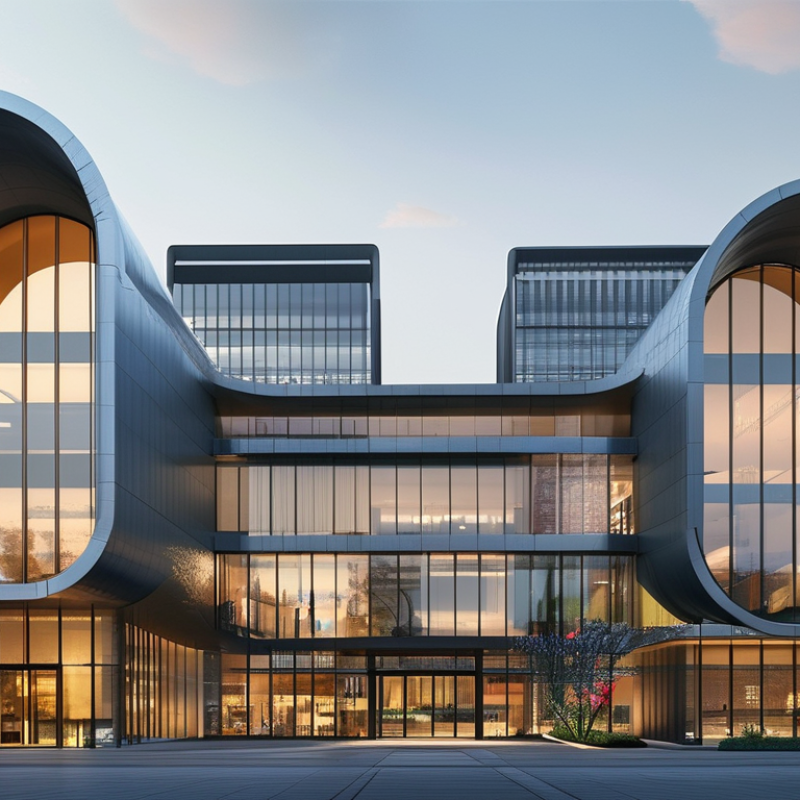
China's Architectural Facades: An Overview for Global Buyers
China's architectural facades offer a rich tapestry of design elements that appeal to global buyers. With a mix of traditional and modern styles, these facades often highlight local materials and craftsmanship. Buyers are increasingly drawn to innovative designs that blend functionality with aesthetic appeal. From sleek glass panels to intricate stone carvings, the variety is remarkable.
The quality of materials used in these facades is noteworthy. They are often durable and withstand harsh weather conditions. However, some buyers may find the options overwhelming. Choosing the right facade requires careful consideration of building type, location, and purpose. While many options exist, finding a balance between durability and beauty can be challenging.
Navigating China’s architectural landscape requires expertise. Buyers should consult with local architects familiar with regional styles. This collaboration can unveil unique design opportunities. Yet, it is crucial to remain cautious. Not all suppliers may meet high-quality standards. Conducting thorough research and vetting is vital for ensuring a successful facade investment.
Key Features of Chinese Architectural Facades That Attract Buyers
Chinese architectural facades are gaining attention worldwide. Their unique designs captivate many buyers. One of their key features is the creative use of materials. From glass to metals, these facades show incredible craftsmanship. Buyers are often impressed by their aesthetic versatility and functionality.
Sustainability is another crucial aspect. Many facades incorporate energy-efficient technologies. They are designed to reduce environmental impact. This aligns with global trends toward eco-friendly building practices. Additionally, the ability to customize designs attracts diverse clients. However, there can be challenges in sourcing local materials. This sometimes leads to delays and increased costs.
The cultural significance of the designs also plays a role. Many facades reflect historical or regional elements. They connect modern architecture with traditional influences. Yet, navigating local regulations can be complex. Some projects may face bureaucratic hurdles. Despite these setbacks, the allure of Chinese facades remains strong, making them a popular choice for international buyers.
China Best Architectural Facades for Global Buyers
| Feature |
Description |
Benefits |
| Durability |
Designed to withstand extreme weather conditions |
Reduces long-term maintenance and replacement costs |
| Energy Efficiency |
Includes insulation and reflective surfaces |
Minimizes energy consumption and lowers utility costs |
| Aesthetic Variety |
Available in various materials and designs, from modern to traditional |
Enhances building appeal and adaptability to different styles |
| Sustainability |
Utilizes eco-friendly materials and production processes |
Supports green building certifications and environmental conservation |
| Customization |
Offers tailored solutions to meet specific project needs |
Flexible design options allow for unique architectural expressions |
| Cost-Effectiveness |
Competitive pricing compared to international alternatives |
Helps manage budget constraints while maintaining quality |
Innovative Materials Used in China's Best Architectural Facades
China's architectural facades are gaining global attention due to their unique designs and innovative materials. The use of glass, metal, and advanced composites revolutionizes traditional aesthetics. These materials not only enhance beauty but also improve energy efficiency. The shift to sustainable practices is evident in these designs. Natural ventilation systems are included, allowing buildings to breathe.
Tips: When evaluating facade options, consider maintenance and durability. Will the materials withstand local weather conditions? Think about the long-term cost over initial investments. Customization is key. Tailor the facade to meet environmental needs.
Moreover, nanotechnology is emerging in facade development. It prevents dirt build-up and enhances self-cleaning properties. This innovation reduces maintenance time and costs. Yet, these advancements can also raise concerns about longevity. Are these materials truly reliable over decades?
Investing in China’s architectural facades opens doors to creativity. Explore unconventional designs that push boundaries. Be aware of local regulations. Collaboration with local experts can provide insight into available options and best practices. Building a facade should be a holistic approach, blending aesthetics with functionality.
China's Architectural Facades: Innovative Materials Usage
Notable Chinese Projects Showcasing Exceptional Facade Designs
China's architecture showcases exceptional facade designs that intrigue global buyers. Notable projects have gained recognition for their innovative approaches. According to a report by the World Architecture Survey, 70% of architects cite facade design as a critical factor in building performance and aesthetics.
One impressive example is the headquarters designed with intricate patterns, enhancing both beauty and energy efficiency. This building uses advanced materials, increasing insulation while reducing costs. Studies show that buildings with well-designed facades can save up to 30% in energy consumption. Reflecting on trends, architects must balance creativity with practicality. Facade maintenance is often neglected, leading to deterioration over time.
Tip: When selecting facades, consider long-term maintenance costs. A striking design may become costly if upkeep is ignored.
Another project features a dynamic facade that changes appearance with lighting. This versatility not only captivates onlookers but also responds to the environment. Yet, it raises questions about sustainability. Will these designs endure as building materials evolve? Designers face pressure to prioritize eco-friendly solutions.
Tip: Research materials for durability and sustainability. Local climate can impact facade performance.
Trends Shaping the Future of Architectural Facades in China
Architectural facades in China are undergoing significant transformation. Insights from the "Global Architectural Facades Market Report 2023" indicate that sustainable materials are gaining traction, comprising over 40% of new projects. This shift is in response to environmental concerns and rising energy costs. By using solar panel integration and green wall designs, builders are rethinking aesthetics and functionality.
Trends are also focusing on smart technology. A report by the China Building Materials Federation highlights a 35% increase in the adoption of smart facades. These technologies enhance energy efficiency and provide real-time data on building performance. However, the integration of these systems often poses challenges. Many architects struggle with balancing innovation and traditional design. This conflict can lead to oversight of crucial design elements that ensure structural integrity.
Furthermore, the influence of urbanization is undeniable. An estimated 65% of China's population will live in urban areas by 2035. This rapid growth pressures the facade industry to innovate continuously. While this creates opportunities, it can lead to rushed designs that might compromise quality and durability. The evolution of architectural facades in China showcases a complex interplay of sustainability, technology, and rapid development, necessitating a careful, reflective approach within the industry.
FAQS
: Chinese facades impress with their unique materials and craftsmanship. They blend functionality with aesthetic allure.
Many facades use energy-efficient technologies. They aim to reduce environmental impact, aligning with global eco-friendly trends.
Options can be overwhelming. Buyers must consider building type, location, and purpose when selecting.
Consulting local architects is vital. They can provide insights into regional styles and unique design opportunities.
Neglected facade maintenance can lead to deterioration. Long-term costs can accumulate if upkeep is ignored.
Many facades connect historical influences with modern architecture. They reflect regional significance and local craftsmanship.
Not all suppliers meet high-quality standards. Conducting thorough research is crucial for a successful investment.
Some dynamic facades change with lighting. However, the durability of these designs must be considered.
Buyers may overlook the importance of choosing sustainable materials. This can affect both appearance and environmental impact.
It can lead to delays and increased costs. Buyers need to weigh these factors against potential benefits.
Conclusion
This article provides a comprehensive overview of China's architectural facades, highlighting their appeal to global buyers. It explores the key features that make these facades attractive, such as unique designs, energy efficiency, and sustainability. Additionally, the use of innovative materials plays a crucial role in enhancing the aesthetic and functional qualities of architectural facades in China.
The article also showcases notable projects that exemplify exceptional facade designs, reflecting China’s commitment to modern architecture. As trends continue to evolve, the future of architectural facades in China is poised to incorporate even more creative solutions and advanced technologies, making it a dynamic market for international investors and designers alike.

 Beihai Fiberglass