Basalt Fiber Concrete is an innovative construction material that has started to gain attention in the market. This composite combines traditional concrete with basalt fibers, creating a product with distinct advantages. By reinforcing concrete with basalt fibers, builders can enhance strength, durability, and resistance to environmental factors.
The importance of Basalt Fiber Concrete lies in its potential to address many challenges in modern construction. Traditional concrete can be prone to cracking and deterioration. However, the incorporation of basalt fibers significantly improves tensile strength. This results in longer-lasting structures and reduced maintenance costs for buyers.
Investors and contractors alike are beginning to recognize the value of Basalt Fiber Concrete. It offers enhanced performance with fewer environmental impacts compared to traditional materials. While it's gaining popularity, some remain hesitant due to the need for further research and field data. Understanding its full capabilities will require more exploration and real-world applications.
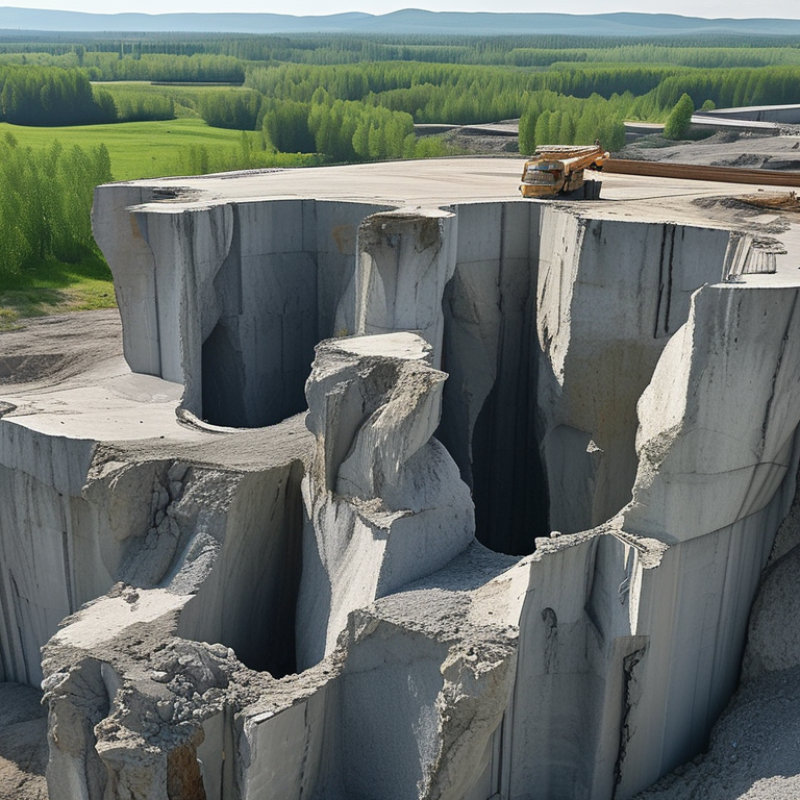
Basalt fiber concrete is an innovative material gaining traction in the construction industry. It incorporates basalt fibers into traditional concrete, enhancing its properties. This combination results in a higher tensile strength, improved durability, and better resistance to environmental factors. Research indicates that basalt fibers can increase concrete's split tensile strength by up to 30%. This makes it particularly valuable for structures exposed to harsh conditions.
The use of basalt fiber concrete also offers benefits in terms of sustainability. Basalt is abundant and can be sourced with minimal environmental impact. It requires less energy for production compared to steel fibers. Furthermore, the material is resistant to corrosion, which prolongs the lifespan of concrete structures. A study by industry experts suggests that replacing steel reinforcement with basalt fibers can reduce maintenance costs by up to 40%.
Buyers looking for durable and sustainable building solutions may find basalt fiber concrete appealing. As the world stresses the importance of eco-friendly construction, this material stands out. However, challenges remain concerning cost and availability. The initial investment may be higher than traditional concrete. It requires careful consideration of long-term benefits versus upfront costs.
Basalt fiber is a composite material made from basalt rock, a natural resource abundant in many parts of the world. The fibers are produced by melting basalt at high temperatures, creating a strong, lightweight strand. Basalt fiber boasts impressive tensile strength and durability, making it a reliable choice for construction projects. Its resistance to chemical agents and high heat adds to its appeal in diverse applications.
The properties of basalt fiber include low thermal conductivity and excellent sound insulation, enhancing energy efficiency in buildings. Unlike traditional fibers, such as glass or steel, basalt fiber does not rust, offering significant longevity. However, the cost of basalt fiber may deter some buyers, prompting a need for careful consideration of budget versus benefits. While it presents many advantages, the long-term performance in various environments remains an area for further research and reflection. Some may find its availability limited, leading to challenges in sourcing for projects.
Basalt fiber concrete is revolutionizing the construction industry. This innovative material offers several significant benefits that make it appealing to buyers. One notable advantage is its ability to enhance concrete's tensile strength. Basalt fibers improve durability, resisting cracking and wear over time. This can lead to longer-lasting structures, reducing maintenance costs.
Another benefit of basalt fiber is its resistance to chemicals and extreme temperatures. This makes it suitable for various environments, including acidic or saline conditions. Additionally, basalt fibers are lightweight, making transportation and handling easier. However, some may wonder about the initial investment. While the upfront cost can be higher, the long-term savings in repairs and replacements are worthwhile.
Despite its advantages, not all professionals are familiar with basalt fiber technology. Some may still prefer traditional materials. Education and awareness are crucial to help the industry recognize the benefits of basalt fiber. Overall, with ongoing research, this material may reshape concrete applications in the future.
This chart illustrates the various benefits of using basalt fiber in concrete, highlighting the increased strength, durability, corrosion resistance, temperature resistance, and lightweight properties. The percentages indicate the advantages each property offers to buyers.
Basalt fiber concrete is gaining traction for its unique properties. Unlike traditional reinforcement materials like steel, basalt fiber offers superior tensile strength. This can lead to longer-lasting structures with reduced maintenance costs. It resists corrosion, which is a common issue with steel rebar. In environments with moisture, basalt fiber does not rust or deteriorate. This provides a clear advantage in harsh weather conditions.
When comparing basalt fiber to steel, weight differences are notable. Basalt fiber is lighter, making it easier to transport and handle on-site. This reduction in weight can lead to lower labor costs during construction. However, the initial investment for basalt fiber concrete may be higher. Buyers must weigh these costs against long-term benefits.
Not all projects may benefit equally from basalt fiber. Some structures still function well with conventional materials. Moreover, knowledge of basalt fiber's behavior is still evolving. Engineers and builders are exploring optimal applications. This ongoing research is crucial for understanding where it fits best. Each project may require a tailored approach to reinforcement materials. Understanding these nuances is key for buyers looking to invest wisely.
| Feature | Basalt Fiber Concrete | Traditional Reinforcement Materials |
|---|---|---|
| Flexural Strength | Higher than steel | Moderate strength |
| Weight | Lighter than traditional steel | Heavier |
| Corrosion Resistance | Excellent | Susceptible to rust |
| Thermal Conductivity | Lower | Higher |
| Durability | High durability | Good, but less than basalt |
| Cost | Higher initial cost | Lower initial cost |
| Environmental Impact | Eco-friendly | Higher environmental footprint |
Basalt Fiber Concrete (BFC) is gaining attention for its unique properties. It blends traditional concrete with basalt fibers, enhancing strength and durability. The versatility of BFC makes it suitable for various applications. It is used in bridges, pavements, and precast products. Its lightweight nature reduces transportation costs, a plus for contractors.
In construction, BFC can resist harsh environments. This makes it an excellent choice for coastal areas or regions prone to extreme weather. The material's resistance to chemical attack boosts its lifespan. Buyers are increasingly considering this innovative material for long-term investment.
Tips: When choosing materials, assess the specific needs of your project. Consider local climate conditions and maintenance requirements. Engaging with knowledgeable suppliers can provide valuable insights into the best uses of BFC. Remember, it’s essential to weigh costs against benefits carefully.
: Basalt fiber is composed of basalt rock, a naturally abundant resource.
It has impressive tensile strength, durability, low thermal conductivity, and sound insulation.
Basalt fiber is lighter than steel and does not rust, offering advantages in moisture-rich environments.
It enhances tensile strength, resists cracking, and is suitable for harsh environments, reducing maintenance costs.
The initial cost can be high, which may deter some buyers, and its long-term performance needs more research.
Familiarity with traditional materials may lead some to overlook the benefits of basalt fiber technology.
Its lighter weight can reduce labor costs during transportation and handling on-site.
They need to weigh the upfront costs against potential long-term savings and maintenance benefits.
Availability may be limited, complicating sourcing for some construction projects.
Understanding its behavior in various environments and optimal applications is crucial for the industry.
Basalt Fiber Concrete is an innovative construction material that incorporates basalt fibers, known for their exceptional strength and durability. The composition of basalt fiber consists of volcanic rock, which provides unique properties such as high tensile strength, lightweight, and resistance to various environmental factors. These characteristics make Basalt Fiber Concrete a superior choice for enhancing the mechanical properties of traditional concrete.
The advantages of using basalt fibers in concrete include improved crack resistance, reduced shrinkage, and enhanced longevity of structures. Compared to traditional reinforcement materials like steel, basalt fiber offers lighter weight and non-corrosive benefits, making it a more sustainable option. With growing applications in construction and infrastructure, the market potential for Basalt Fiber Concrete is expanding, positioning it as a forward-thinking solution for modern building challenges.

Beihai Fiberglass